Nanjing Museum:A Treasury of Millennia of Civilization within the City of Jinling

Nanjing Museum:A Treasury of Millennia of Civilization within the City of Jinling

Overview:A National Treasure Hall Preserved by Time
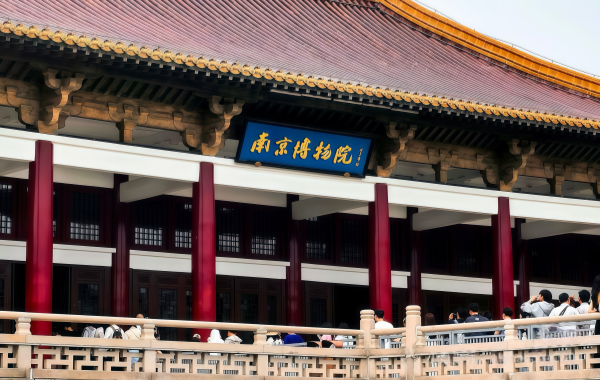
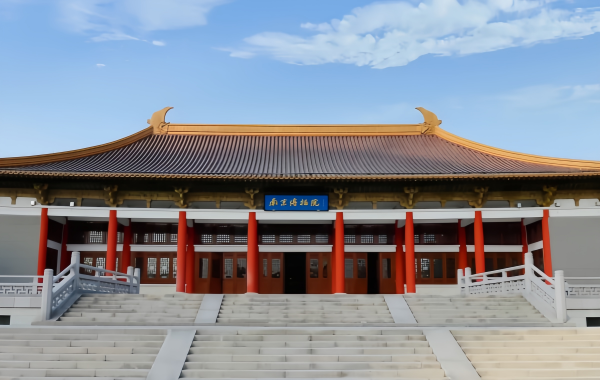
Nanjing Museum, at the foot of Purple Mountain, was China’s first large‑scale comprehensive museum. It houses over 430,000 relics in a landmark building blending Liao dynasty style with modern design.

Core Highlights at a Glance
Identity Tags:One of China’s “Big Three” museums | A unique “One Museum, Six Pavilions” layout | Immersive Republic of China street experience | Home to the “Golden Beast”
Core Experiences:History Pavilion: millennia of Jiangsu civilization | Republic of China Pavilion: stroll through old Nanjing | Digital Pavilion: interactive exhibits | Special Exhibition Pavilion: VR experiences
Suggested Visit:3–4 hours for a focused tour; a full day to explore all six pavilions
Address:No.321 Zhongshan East Road, Xuanwu District, Nanjing
Note:Free admission, but advance reservation required. Closed Mondays (except holidays).

  • Nanjing Museum:A Treasury of Millennia of Civilization within the City of Jinling-1
  • Nanjing Museum:A Treasury of Millennia of Civilization within the City of Jinling-2
  • Nanjing Museum:A Treasury of Millennia of Civilization within the City of Jinling-3
  • Nanjing Museum:A Treasury of Millennia of Civilization within the City of Jinling-4

Origins:The Founding Vision—Weathering Eighty Years of History

Furong Ancient Town Furong Ancient Town

The Source of the Museum—Cai Yuanpei’s Century-Spanning Vision
In 1933,at the initiative of Mr.Cai Yuanpei—a prominent figure in my country’s modern democratic revolution and a renowned educator—the Nationalist Government established the Preparatory Office for the National Central Museum.Cai Yuanpei himself served as the Chairman of its inaugural Board of Directors.The vision of this"Academic Titan"was both simple and grand:to construct a modern,comprehensive museum dedicated to"promoting scientific research and aiding public education,"ensuring that the treasures of Chinese civilization would no longer remain hidden deep within storage vaults but could instead be shared with the public.The Preparatory Office originally planned to construct three distinct pavilions—covering Humanities,Crafts,and Nature—designed by architect Xu Jingzhi.However,under the guidance of Mr.Liang Sicheng and Mr.Liu Dunzhen,the design was subsequently revised to emulate the architectural style of a grand Liao Dynasty palace hall.

The Path of Preservation—Safeguarding Cultural Heritage Amidst the Flames of War
In 1937,with the outbreak of the War of Resistance Against Japanese Aggression,construction on the museum was forced to a halt.During that era of national turmoil and fragmentation,the Nanjing Museum’s precious artifacts embarked on an arduous westward migration,traveling through various locations such as Lizhuang in Sichuan.Despite the harsh conditions,the museum’s scholars persevered in their archaeological surveys and ethnological research,publishing seminal works such as the Archaeological Report on the Cang'er Region of Yunnan and the Dictionary of Naxi Pictographs,thereby laying the academic foundation for Chinese ethnology and folklore studies.Following the victory in the War of Resistance Against Japanese Aggression,the artifacts returned to the east;in 1948,a joint exhibition was held in collaboration with the Palace Museum,attracting over 100,000 visitors—a spectacle of unprecedented scale.

The Path of Transformation—From the"Old Main Hall"to"Gold Inlaid with Jade"
In 1950,the institution was officially renamed the Nanjing Museum.In 1999,the Art Gallery was completed,maintaining the architectural style of the original"Old Main Hall."The true metamorphosis took place during the Phase II renovation and expansion project conducted between 2009 and 2013.Designed under the direction of Cheng Taining—an Academician of the Chinese Academy of Engineering—the project adhered to the principle of"integrating new and old structures,and combining above-ground and underground spaces."This involved raising the entire Old Main Hall by three meters and constructing four new specialized galleries:the Special Exhibition Hall,the Republic of China Hall,the Digital Hall,and the Intangible Cultural Heritage Hall.This expansion established a unique"One Museum,Six Halls"layout.The architectural design embodies the concept of"Gold Inlaid with Jade,Housing Precious Treasures Within,"seamlessly blending traditional elements with a modern aesthetic to create a harmonious interplay between the past and the present.

>In-Depth Exploration:Discover More of the Beauty of Chinese Museums >> [Shenzhen Museum] [Jinsha Site Museum]

Must-See Wonders:A Grand Symphony of Humanity and Architecture

Furong Ancient Town Furong Ancient Town Furong Ancient Town Furong Ancient Town Furong Ancient Town Furong Ancient Town Furong Ancient Town Furong Ancient Town

Cultural Treasures—A Cultural Feast Across"One Museum,Six Halls"
The most distinctive feature of the Nanjing Museum lies in its"One Museum,Six Halls"layout.The History Hall,Special Exhibition Hall,Art Gallery,Digital Hall,Republic of China Hall,and Intangible Cultural Heritage Hall each possess their own unique characteristics;yet,they are interconnected via an underground network,allowing visitors to traverse through time and space to experience the profound depth and breadth of Chinese civilization.

1.The History Hall:A Time Corridor of Ancient Jiangsu Civilization
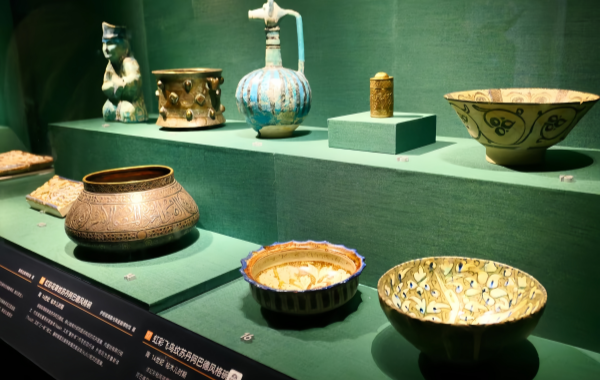
Housed within the Old Main Hall,the History Hall features a permanent exhibition titled"Ancient Civilization of Jiangsu."This comprehensive exhibition presents the full trajectory of civilizational development in the Jiangsu region,spanning from the prehistoric era through the Ming and Qing dynasties.Stepping into the exhibition hall feels akin to opening a weighty volume of history:

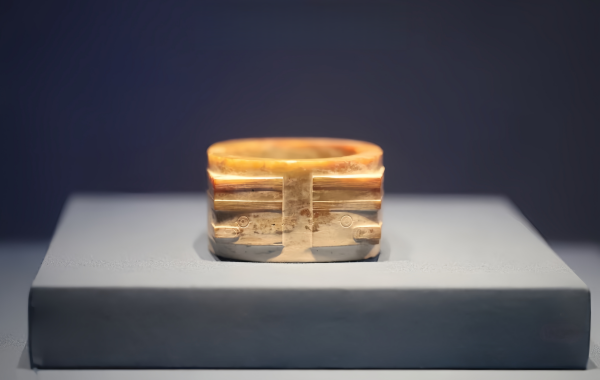
Neolithic"Jade Bead Necklace":A masterpiece of Liangzhu Culture jade craftsmanship—lustrous and smooth as fine grease—bearing witness to the aesthetics and spiritual beliefs of the early inhabitants of the lower Yangtze River region.

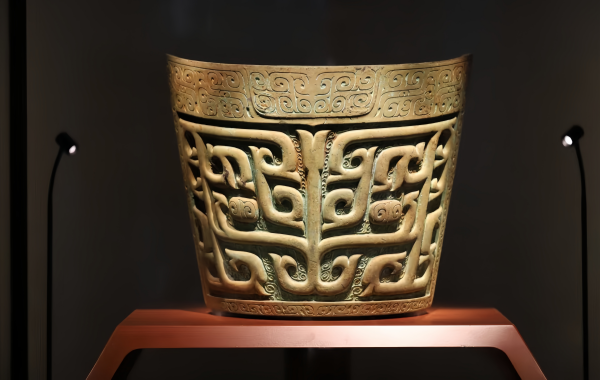
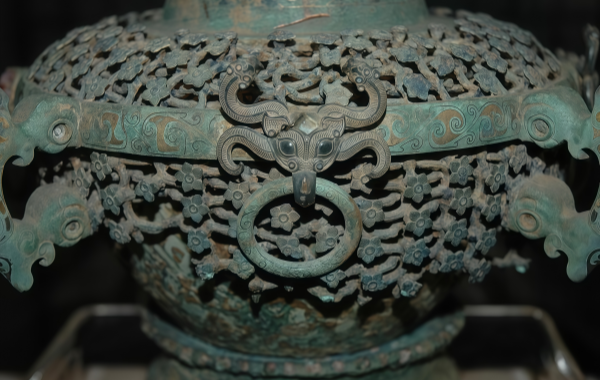
Warring States Period"Bronze Jar with Gold and Silver Inlay":Featuring intricate and exquisite workmanship,this piece showcases magnificent patterns formed by inlaid gold and silver threads,standing as a pinnacle achievement of pre-Qin bronze artistry.

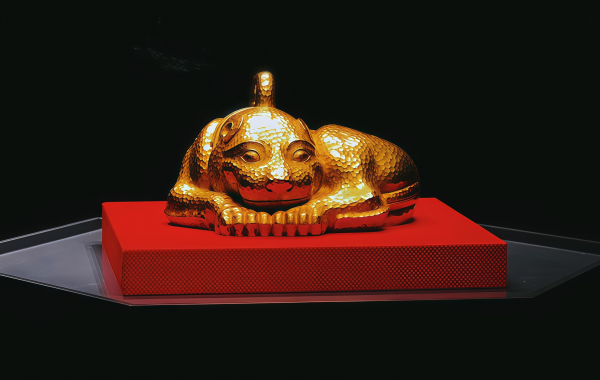
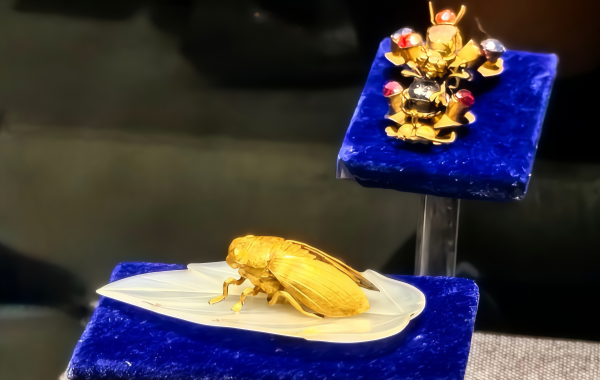
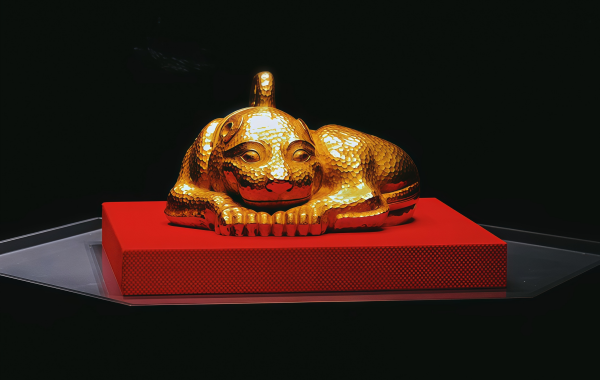
Western Han Dynasty"Golden Beast":Measuring 17.5 cm in length,16 cm in width,and 10.2 cm in height,and weighing a staggering 9,100 grams with a gold purity of 99%,this artifact is the heaviest ancient gold casting ever unearthed in my country,hailed as a"Guardian Treasure."Depicted with a crouching posture,a coiled body,and an alert demeanor,the Golden Beast was discovered resting atop a bronze jar;traces of green patina on its neck serve as a tangible link to the opulence and mystery of an era spanning over two millennia.

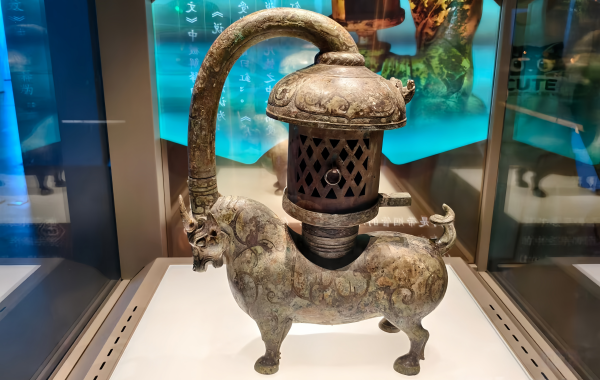
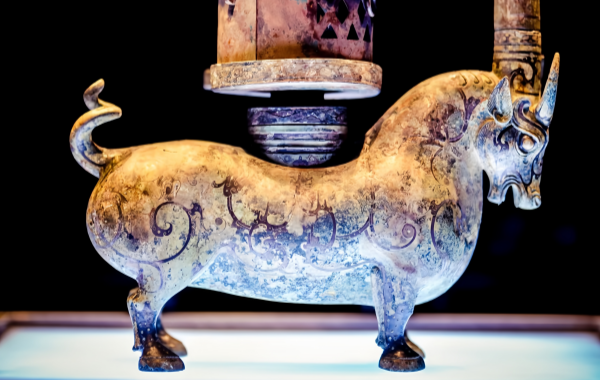
Eastern Han Dynasty"Bronze Ox Lamp with Silver Inlay":Ingeniously conceived,the hollow belly of the ox serves as a reservoir for water,allowing smoke and soot to be filtered and dissolved within the liquid—a testament to the environmental wisdom of the Han Dynasty.

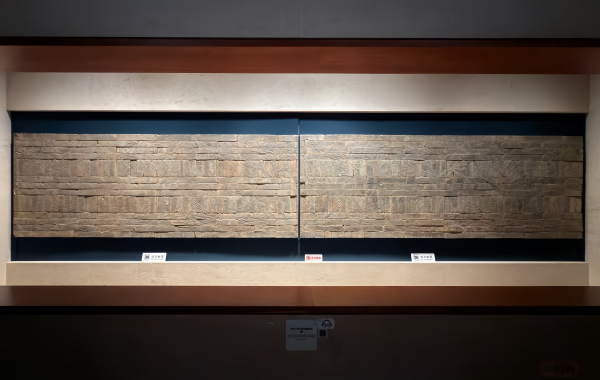
Southern Dynasties"Molded Brick Relief of the Seven Sages of the Bamboo Grove and Rong Qiqi":This relief depicts the"Seven Sages of the Bamboo Grove"alongside the renowned Spring and Autumn Period scholar Rong Qiqi within a single composition;featuring figures in diverse postures,it serves as an invaluable physical artifact for the study of the distinctive cultural ethos of the Wei and Jin Dynasties.

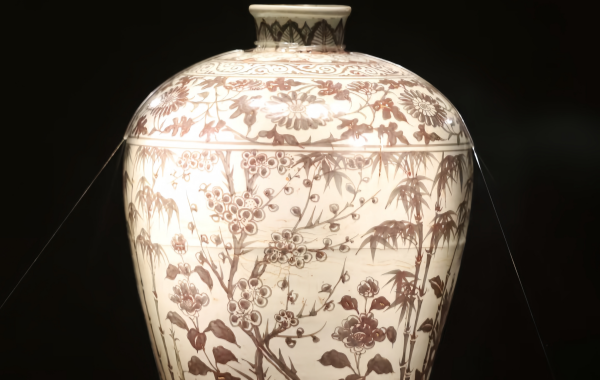
Ming Dynasty"Meiping Vase with Underglaze Red'Three Friends of Winter'Motif":Distinguished by its pure,vibrant underglaze red glaze,this vase features elegant and noble motifs of pine,bamboo,and plum blossoms—collectively known as the"Three Friends of Winter"—and is recognized as a national treasure of the highest caliber.

2.Special Exhibition Hall:A Thematic Gallery Gathering Rare Treasures
The Special Exhibition Hall is dedicated to curating high-caliber exhibitions,featuring both major touring exhibitions introduced from home and abroad,as well as thematic showcases drawn from the museum's own collection of rare artifacts.In July 2025,the Nanjing Museum will launch a key annual initiative titled"Gazing Upon the World:The Kunyu Wanguo Quantu—A Large-Scale Immersive VR Exhibition."Centered on the Ming Dynasty Chinese world map Kunyu Wanguo Quantu(A Map of the Myriad Countries of the World)as its core intellectual property,this exhibition utilizes 720-degree panoramic immersive VR technology to allow visitors to physically"step into"the cartographic world of over 400 years ago.This map,jointly created by the Italian missionary Matteo Ricci and the Ming Dynasty scholar Li Zhizao,stands as the world's oldest,most complete,and most content-rich extant world map in the Chinese language.

3.The Art Gallery:A Pantheon of Calligraphy and Painting Masterpieces
The Art Gallery organizes its exhibits by artistic medium and category,featuring eleven specialized halls dedicated to treasures,jade,bronzeware,Ming and Qing porcelain,calligraphy and painting,ceramics,lacquerware,and textiles.Among these,the calligraphy and painting collection is particularly distinctive,featuring comprehensive series and groupings of works by renowned masters—including the"Eight Eccentrics of Yangzhou,"the"Wumen School,"the"Jinling School,"as well as individual greats such as Fu Baoshi and Chen Zhifo.The gallery hosts thematic exhibitions throughout the year;for instance,the"Series on Ancient Chinese Women:Enduring Love Beneath the Pines—The Artistic and Intellectual Ingenuity of Talented Women in the Ming and Qing Dynasties"showcases the calligraphy and paintings of celebrated courtesans from the Qinhuai River district—such as Ma Shouzhen,Dong Xiaowan,and Liu Rushi—thereby highlighting the refined sensibilities and artistic achievements of these talented women of the Ming and Qing eras.

4.The Republic of China Hall:A Journey Through Time to the Old Capital
The Republic of China Hall is the nation's first immersive exhibition space dedicated to the"recreation of urban historical landscapes."Here,the streets and alleyways of Nanjing during the Republic of China era have been faithfully reconstructed:a train station,an old post office,a newspaper agency,a teahouse,a barbershop,a qipao boutique,and more.Visitors can mail a letter at the old post office,listen to a performance of Baiju or Kunqu opera at the teahouse,try on period costumes for souvenir photos,and even sample pastries and snacks featuring authentic Republic-era flavors."A perfect recreation—it’s truly a photographer's paradise!"—the Republic of China Hall has become the Nanjing Museum's most popular"must-visit"destination,transforming the visitor experience"from mere observation into lived reality"and offering an immersive journey into the bustling street life of Jinling(Nanjing)from a century ago.

5.The Digital Hall:A Dialogue Between Past and Present,Empowered by Technology
Combining online access with on-site experiences,the Digital Hall employs interactive technologies to offer visitors a brand-new way to engage with ancient civilizations.The hall is equipped with various interactive installations—including touchscreens,projection mapping,and virtual reality systems—that bring cultural relics to life and make history a tangible,tactile experience.It is an especially ideal destination for families with children,allowing young visitors to acquire historical knowledge through engaging games and activities.

6.Intangible Cultural Heritage Hall:Living Traditions and Masterful Craftsmanship
The Intangible Cultural Heritage Hall presents items from Jiangsu Province’s national-level list of intangible cultural heritage in a dynamic,living format,inviting designated inheritors to demonstrate traditional techniques on-site.Visitors can observe exquisite crafts—such as Nanjing Yunjin(Cloud Brocade)weaving,Yixing purple clay pottery making,and Suzhou embroidery—up close,and even participate in interactive experiences.The Old Teahouse regularly hosts performances of intangible cultural heritage arts—including Pingtan(storytelling and ballad singing),Kunqu Opera,and Baiju(Nanjing folk ballads)—and is open to the public free of charge(tickets must be collected on-site).

Photography Tips:
Best Panoramic Viewpoint:The plaza in front of the Old Main Hall;offers a perfect vantage point to capture the majestic silhouette of the Liao-style hall against the skyline of Purple Mountain.
Portraiture in the Republic of China Hall:The Old Teahouse and the entrance to the Qipao shop are ideal spots;applying a vintage filter yields exceptionally high-quality,atmospheric shots.
Close-ups of Artifacts:In the History Hall,the"Golden Beast"and the"Seven Sages of the Bamboo Grove"brick relief are must-photograph national treasures.

Drone usage is strictly prohibited over the museum grounds.

Architectural Marvel:The Timeless Grandeur of the Liao-Style Hall
The Old Main Hall of the Nanjing Museum is,in itself,a designated immovable cultural relic.This structure,modeled after the architectural style of the Liao Dynasty,was originally designed by Xu Jingzhi and subsequently refined and perfected under the guidance of Liang Sicheng and Liu Dunzhen.Characterized by a gently sloping roofline and robust beams,columns,and dougong(bracket sets),the building appears grand yet never ponderous,embodying the bold and vigorous aesthetic typical of Liao and Song Dynasty architecture.The roof ridge features a traditional arrangement of decorative elements—including the"Immortal Riding a Phoenix,"three Zoushou(mythical beasts),and Chuishou(hanging beasts)—while the Wadang(eave tiles),Chiwen(ridge-end beasts),and other components are exquisitely crafted with an air of ancient simplicity.

Even more remarkable is the fact that,while the Old Main Hall presents the exterior appearance of traditional timber-frame architecture,it was actually constructed using reinforced concrete.This design embodies the exploratory spirit of China’s first generation of architects in the 1930s—a philosophy encapsulated by the maxim"Chinese learning as the essence,Western learning for utility."During the museum's renovation and expansion project between 2009 and 2013,the engineering team undertook the monumental task of lifting the entire Old Main Hall by three meters.Utilizing over 400 hydraulic jacks positioned beneath its 161 supporting columns,they slowly raised the massive structure,subsequently extending the columns with an astonishingly precise margin of error of less than 0.01 millimeters.This daring feat of engineering resolved a long-standing structural anomaly—where the southern end of the central axis sat higher than the northern end—thereby allowing the Old Main Hall’s majestic silhouette to be fully and perfectly revealed.

Architectural Tour:Looking south from the Main Hall,Zhongshan East Road bustles with traffic;gazing north,Purple Mountain appears lush and verdant.We recommend sitting quietly for a few moments in the plaza in front of the hall—ideally at dawn or dusk—to experience the dialogue between this"breathing ancient structure"and the modern city.

Core Experiences:An Immersive Guide to Museum Living

Furong Ancient Town Furong Ancient Town Furong Ancient Town Furong Ancient Town Furong Ancient Town Furong Ancient Town

Five Must-Do Activities:Unlocking an In-Depth Journey at the Nanjing Museum
1.Keep a Millennium-Old Rendezvous with the"Golden Beast"
Highlight:Dating back to the Western Han Dynasty,this"Golden Beast"weighs a staggering 9,100 grams—making it the heaviest ancient gold artifact ever unearthed in my country.

Location:History Hall(Specific display case subject to on-site confirmation;may be featured in Special Exhibition Halls or displayed on a rotating basis).
Tip:The"Treasures of the Museum"gallery rotates its exhibits periodically;the Golden Beast will not be on display in the immediate future.Please check the Nanjing Museum's official website for announcements prior to your visit.

2.Step Back in Time and Live Like a"Republican Era Local"in the Republic of China Hall
Experience:Don a qipao or a traditional long gown,listen to a Pingtan ballad performance in the old teahouse,or send a postcard from the vintage post office.

Hours:The Republic of China Hall is open all day.Please refer to on-site announcements for the specific schedule of Intangible Cultural Heritage performances in the teahouse.

Tip:Weekends tend to be very crowded;we recommend heading directly to the Republic of China Hall immediately after the museum opens in the morning to avoid peak crowds.

3."Play"with History in the Digital Hall
Highlights:Interactive touchscreens,VR experiences,and animated projections allow children to learn about history through play.

Best Suited For:Families with children,teenagers,and youth groups.

Special Recommendation:"Gazing at the Heavens"(Opening July 10,2025)"Map of the Myriad Countries of the World"VR Large-Space Exhibition:A 30-minute immersive experience transporting you to the world of the Great Ming Dynasty,400 years ago.

4.Savor a Taste of"Nanjing Museum on the Tip of Your Tongue"
Intangible Cultural Heritage Hall:Visit the traditional teahouse to sip Yuhua Tea and sample authentic Nanjing snacks.

Nearby Recommendations:Zhongshan Gate Avenue and the area surrounding the Ming Palace Ruins feature numerous restaurants specializing in Nanjing cuisine;the Saltwater Duck and Duck Blood Vermicelli Soup are absolute must-tries.

5.Find a Beloved Cultural and Creative Souvenir
Cultural&Creative Shops:Located at the exit of the History Hall and on the first floor of the Art Hall.

Popular Items:"Golden Beast"themed fridge magnets,"Seven Sages of the Bamboo Grove"notebooks,and Republic of China Hall postcards.

Tip:Select special exhibitions feature exclusive merchandise available for a limited time and in limited quantities.

Suggested Tour Itineraries
Half-Day"Highlights Quick Tour"(Ideal for those with limited time):
9:00 AM:Enter the museum→History Hall(1.5 hours;focus on the"Golden Beast,"the"Seven Sages of the Bamboo Grove"brick relief,and the Bronze Ox Lamp with Silver Inlay)→Special Exhibition Hall(0.5 hours;a quick browse of current special exhibitions)→Republic of China Hall(1 hour;for sightseeing and photo ops)→Intangible Cultural Heritage Hall(0.5 hours;to watch heritage performances)→Depart around 1:00 PM.

Full-Day"Deep Immersion"Tour(Highly Recommended):
Morning:9:00 AM:Enter the museum and head first to the History Hall to leisurely explore the"Exhibition of Ancient Civilization in Jiangsu"(2.5 hours)→Visit the Special Exhibition Hall to view current special exhibitions(1 hour;if the"Map of the Myriad Countries of the World"VR exhibition is available,we highly recommend experiencing it—approx.30 minutes)→Midday:Take a break inside the museum or dine at a nearby restaurant.

Afternoon:Art Hall:View thematic displays of calligraphy,painting,jade artifacts,and precious treasures(1.5 hours)→Republic of China Hall:Immerse yourself in the atmosphere of the old capital and take photos(1 hour)→Digital Hall:Engage with interactive technology exhibits(0.5 hours)→Intangible Cultural Heritage Hall:Watch heritage performances and browse the cultural&creative shops(1 hour)→Depart before the museum closes at 5:00 PM.

Nearby Sightseeing Recommendations:If you have ample time,consider combining your visit to the Nanjing Museum with the Ming Palace Ruins Park(a 5-minute walk away)and the Zhongshan Gate City Wall(a 3-minute walk away).This allows you to experience a unique"dialogue across time and space"between the Ming Dynasty capital and the Republic of China-era museum.

IntoTravelChina Advantage:We can handle your ticket reservations in advance(the Nanjing Museum requires booking 7 days ahead,and tickets are highly competitive),plan the most efficient sightseeing route for you,and provide exclusive guided tour services—ensuring you see all the highlights within your limited time.>> [Consult for Customization Now]

Comprehensive Travel Guide:Transport,Reservations,and Seasons

Furong Ancient Town Furong Ancient Town Furong Ancient Town Furong Ancient Town

How to Get There:A Seamless Connection Guide
The Nanjing Museum is situated in the heart of the city center and is easily accessible via public transport.

Arriving from Across the Country:Take a high-speed train to Nanjing Station or Nanjing South Station,then transfer to the subway to reach the museum.

By Subway(Recommended):Take Subway Line 2 to"Minggugong Station"(Ming Palace Station).Exit via Gate 1 and walk east for approximately 5 minutes to reach the museum.

By Bus:Take Bus No.5,34,36,55,or 59 to"Zhongshan Gate Station."

By Car:Navigate to"Nanjing Museum West Gate."A parking lot for private vehicles is available;parking hours are Tuesday through Sunday,9:00 AM to 6:00 PM.

From Nearby Attractions:Fuzi Temple(approx.30 mins by subway),Sun Yat-sen Mausoleum(approx.20 mins by subway),Xuanwu Lake(approx.25 mins by subway).

Important Reservation Notice:Admission to the Nanjing Museum is free,but advance reservation using your real name/ID is mandatory!Reservations open daily at 6:00 PM for visits 7 days in advance.Entry is divided into morning(9:00 AM–1:00 PM)and afternoon(12:00 PM–4:00 PM)time slots to help stagger visitor flow.Seniors aged 70 and above,military personnel,and certain other groups are exempt from the reservation requirement and may register for entry directly on-site.Tickets for weekends and public holidays are extremely sought-after;we highly recommend booking exactly 7 days in advance,right when reservations open!

Best Time to Visit
The Nanjing Museum is a great destination to visit year-round;however,spring and autumn(March–May and September–November)are the ideal seasons.During these months,the weather is pleasant,and the scenery of Purple Mountain(Zijin Shan)just outside the museum grounds is at its most captivating.Spring&Autumn:The Golden Seasons(March–May;September–November):Temperatures are pleasant,making it ideal for extended sightseeing both indoors and outdoors.In spring,plum blossoms and magnolias bloom beautifully outside the museum;in autumn,the forests of Purple Mountain(Zijin Shan)burst into vibrant color.

Summer:The Cool Retreat(June–August):The museum’s air-conditioned interiors offer a refreshing escape from the heat.However,weekends see massive crowds,so visiting on weekdays is highly recommended.

Winter:The Season of Serenity(December–February):Visitor numbers are relatively low,allowing you to admire the artifacts in peace and quiet.Note,however,that it can be quite cold outdoors,so be sure to dress warmly.

Crowd Peak Advisory:The busiest hours—when visitor traffic is at its absolute peak—occur on weekends and public holidays between 11:00 AM and 2:00 PM.You may encounter queues at the History Hall and the Republic of China Hall during these times.We recommend entering right at opening time(9:00 AM)or visiting in the afternoon after 2:00 PM to avoid the rush.The entrance to the Art Hall typically has shorter lines;you may enter the museum through this entrance.

Guided Tours&Services
Live Guided Tours:100 RMB for groups of up to 10 people;available for booking on-site.

Audio Guides:Rental fee:20 RMB;available for rent at the service desks in each hall.

AR Glasses Guide:Available for rent in the Special Exhibition Hall;50 RMB per session,offering an immersive guided experience.

WeChat Mini Program:The official"Nanjing Museum"Mini Program provides free audio guides.

IntoTravelChina Booking Recommendations:
We strongly recommend planning your itinerary in advance and booking your tickets and guided tours through us to avoid the hassle of securing tickets on your own.Tell us your specific interests(Bronze artifacts?Calligraphy and painting?The Republic of China era?),and we will curate the perfect sightseeing itinerary just for you.>>[Click to contact IntoTravelChina Travel Consultant]

Extending Your Journey:A Loop Tour Connecting the Best of Nanjing and Jiangsu

Furong Ancient Town

The Nanjing Museum is by no means the end of your journey; rather, it serves as the perfect starting point for exploring the ancient capital of Jinling—and indeed, the entire province of Jiangsu.

Classic 2-Day In-Depth Nanjing Tour: Day 1: Nanjing Museum (One Institution, Six Halls) → Ming Palace Ruins → Zhongshan Gate City Wall; Day 2: Sun Yat-sen Mausoleum → Confucius Temple & Qinhuai River → Laomendong. This itinerary seamlessly weaves together the history and modernity of this ancient capital of the Six Dynasties.

4-Day Jiangsu Cultural Loop: Nanjing (Museum, Sun Yat-sen Mausoleum) → Yangzhou (Slender West Lake, Ge Garden) → Suzhou (Humble Administrator's Garden, Suzhou Museum) → Wuxi (Lake Taihu, Lingshan Giant Buddha). This route offers a cultural feast, blending museums, classical gardens, water towns, and the scenic beauty of Lake Taihu. 

East China Regional Tour: Combine a visit to the Nanjing Museum with destinations such as Hangzhou, Shanghai, and Huangshan to experience a multifaceted China—ranging from the ancient capital of the Six Dynasties to the water towns of Jiangnan, and from Ming and Qing-era palaces to vibrant modern metropolises.

Partner with IntoTravelChina to Embark on Your Exclusive Cultural Heritage Journey

Furong Ancient Town Furong Ancient Town

The story of the Nanjing Museum is one of an educator's founding vision,the architectural spirit of a landmark,and the enduring legacy of a nation's civilization passed down through generations.IntoTravelChina specializes in crafting immersive,personalized,and hassle-free travel experiences across China.Our travel experts are here to provide you with:

Tailored Itineraries:We design the perfect route—incorporating the Nanjing Museum and surrounding attractions—based entirely on your interests and schedule.

One-Stop Service:We handle all the details,including ticket reservations,guided tours,transportation arrangements,and recommendations for local accommodation and dining.

Exclusive Experiences:We arrange expert-led guided tours,VIP access to special exhibitions,private photography sessions in the Republic of China Hall,and more.

Let your visit to the Nanjing Museum be more than just an exhibition viewing;let it be a profound spiritual dialogue with five thousand years of civilization.

Start Planning Your Journey Now
We invite you to contact our professional travel consultants;we will provide you with a personalized itinerary proposal and price quote within 24 hours.
>> [Click to contact IntoTravelChina Travel Consultant]

What Our Clients Say?

Based on 10,000+ traveler reviews

...
Daniel Dorothea
Canada
Reviewed on April 29,2025
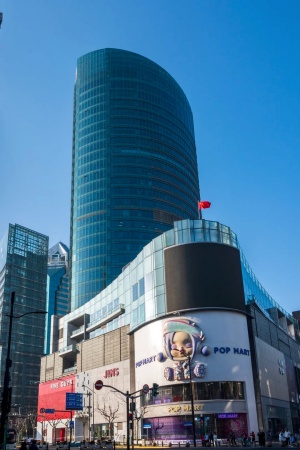
Shopping on Nanjing Road in Shanghai was just amazing! It's truly the "First Commercial Street of China", where tradition and modernity blend perfectly. You can find awesome souvenirs and experience the trendy vibes in cool stores. The neon lights at night are just spectacular, shining bright like Times Square in New York. The food here is incredible too. I had a feast for my taste buds. Shanghai, I'll definitely be back!
Destination(s): Shanghai
Date of Experience: May 08,2024
...
...
Elvis Eva
Canada
Reviewed on June 20,2025
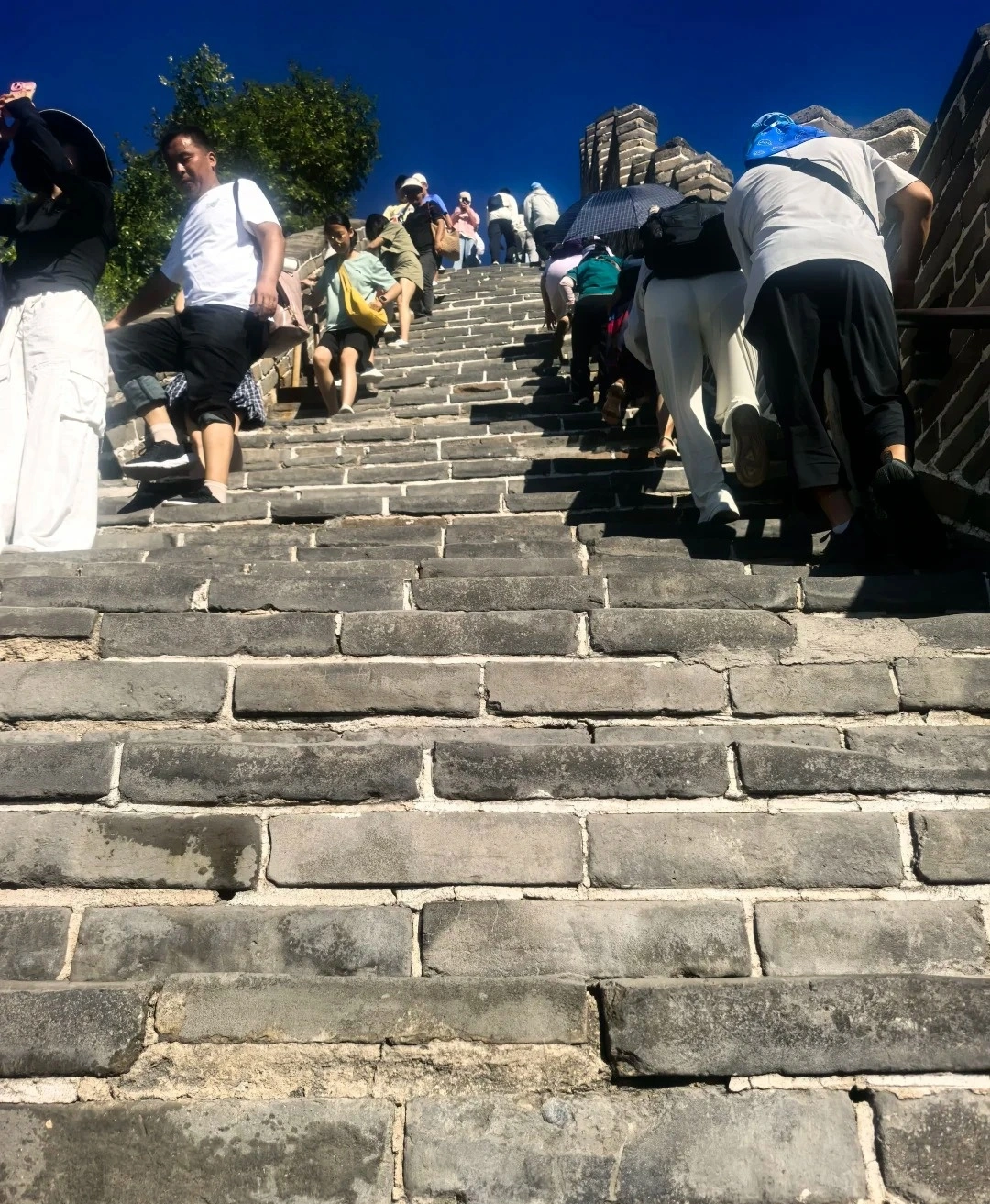
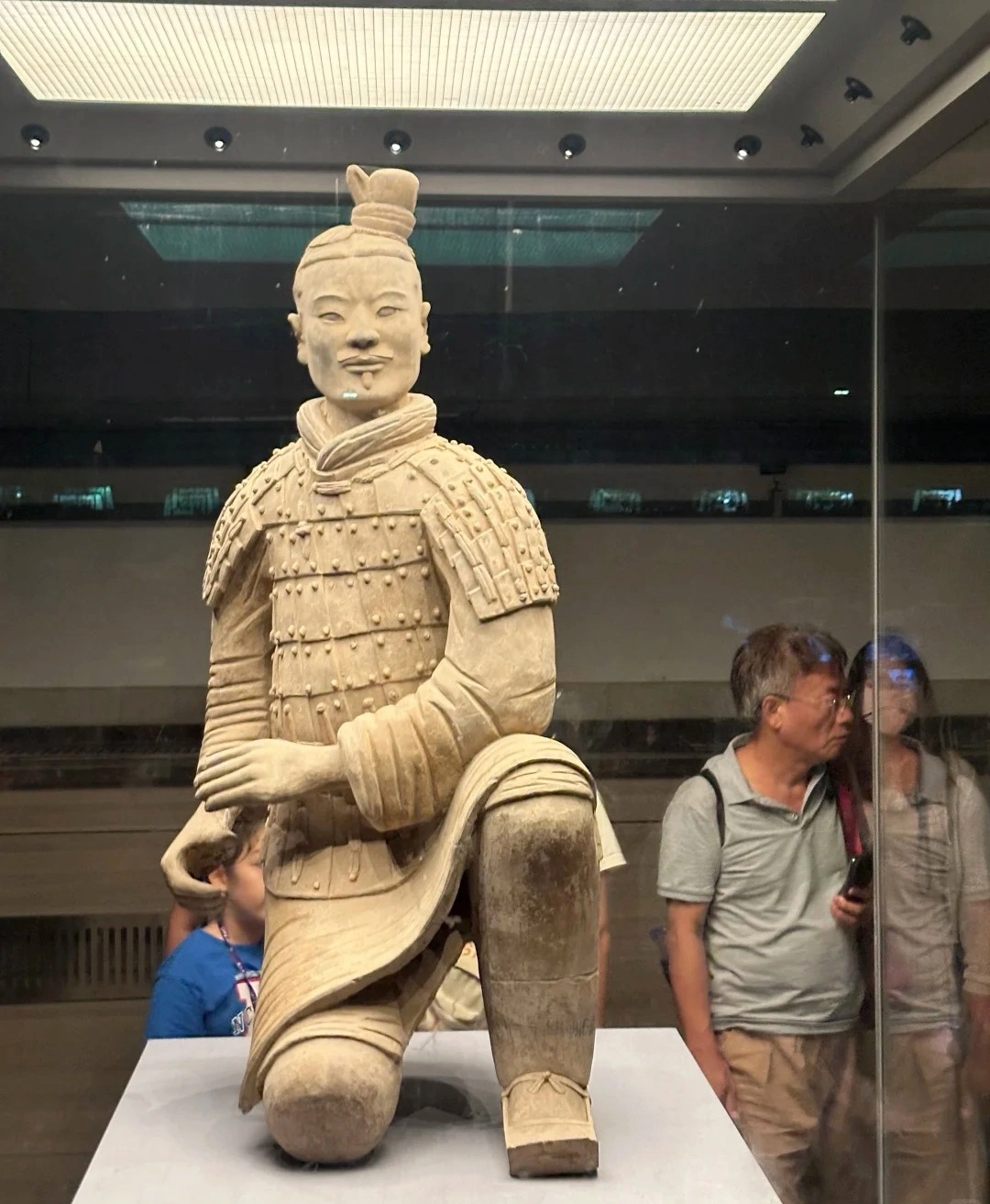
As a solo traveler from Canada, I was nervous about navigating China alone—but this 11-day tour was PERFECT! From hiking the Great Wall at sunrise (Day 3) to gasping at the Terracotta Army (Day 5), every day delivered ‘pinch-me’ moments. The real showstopper? Zhangjiajie’s Avatar Mountains (Day 7)! Our guide made the stone pillars come alive with stories. Massive thanks for handling all logistics—bullet train tickets, entry passes, car! And the 4-star hotels surprised me.
Destination(s): Beijing Xian Zhangjiajie Shanghai
Date of Experience: June 02,2025
... ... ...
...
Simon
America
Reviewed on May 29,2025
Our 2-day Zhangjiajie tour was beyond spectacular! As someone who’s visited Beijing and Shanghai for work, this trip revealed China’s wild, magical heart. Day 1 in Zhangjiajie National Forest Park felt like stepping onto Pandora—I’m a huge Avatar fan, and Yuanjiajie’s floating peaks left me breathless. The misty pillars and lush valleys like pure movie magic! Then came Fenghuang Ancient Town, we eat dinner beside the thundering waterfall. It seems Unreal! The night views of stilt houses glowing over the river were straight from a fairy tale. For fellow Avatar lovers and adventure seekers: Don’t miss this bucket-list experience! 10/10 would return. A Well-Traveled Film Buff, May 2025
Destination(s): Zhangjiajie
Date of Experience: May 08,2025
... ...

Ask a Question

Question Summary (100 characters)
Details (optional) (2,000 characters)
Name
Country
Email