Humanistic Ingenuity—French Romance Clad in Porcelain
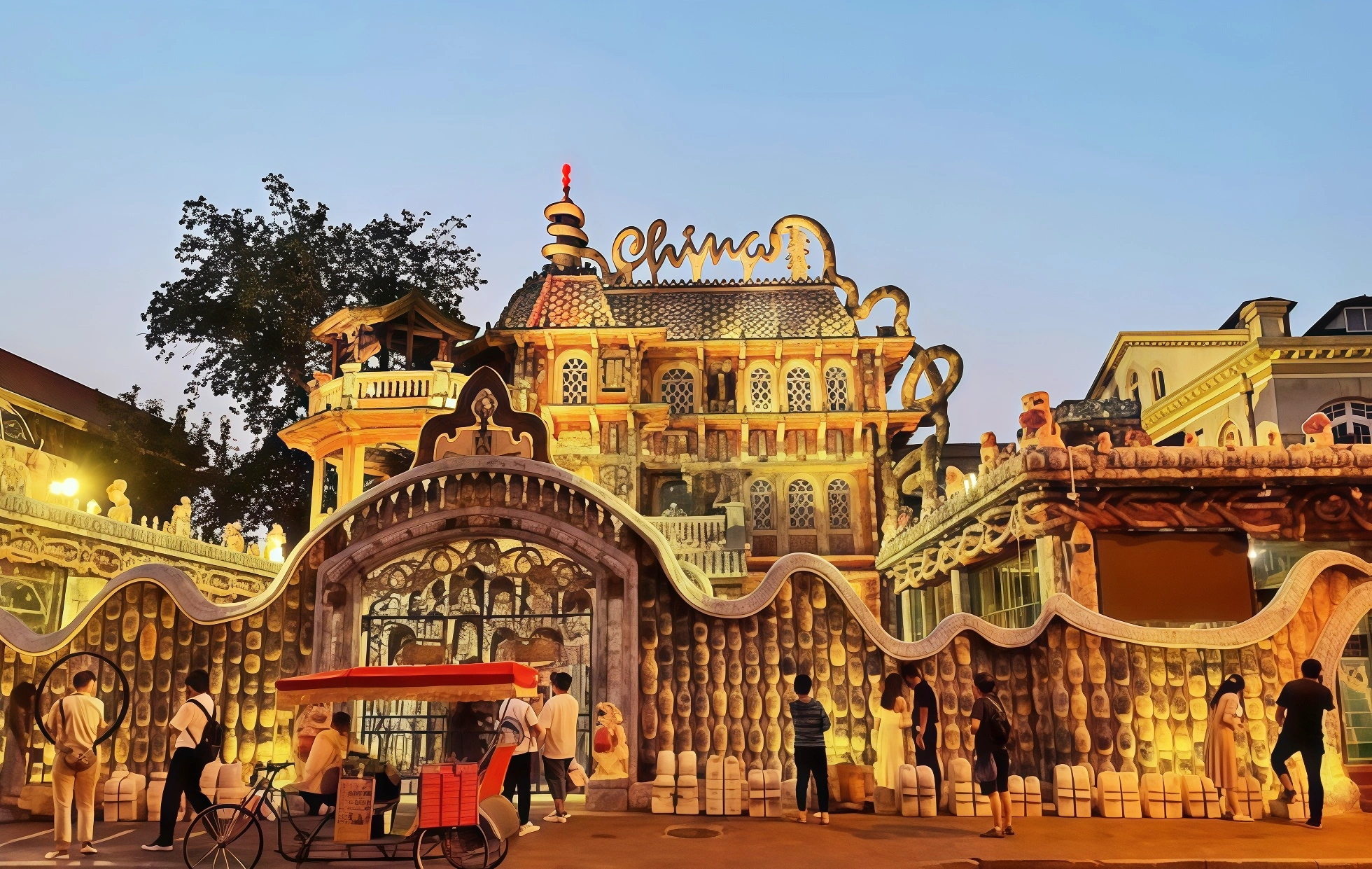
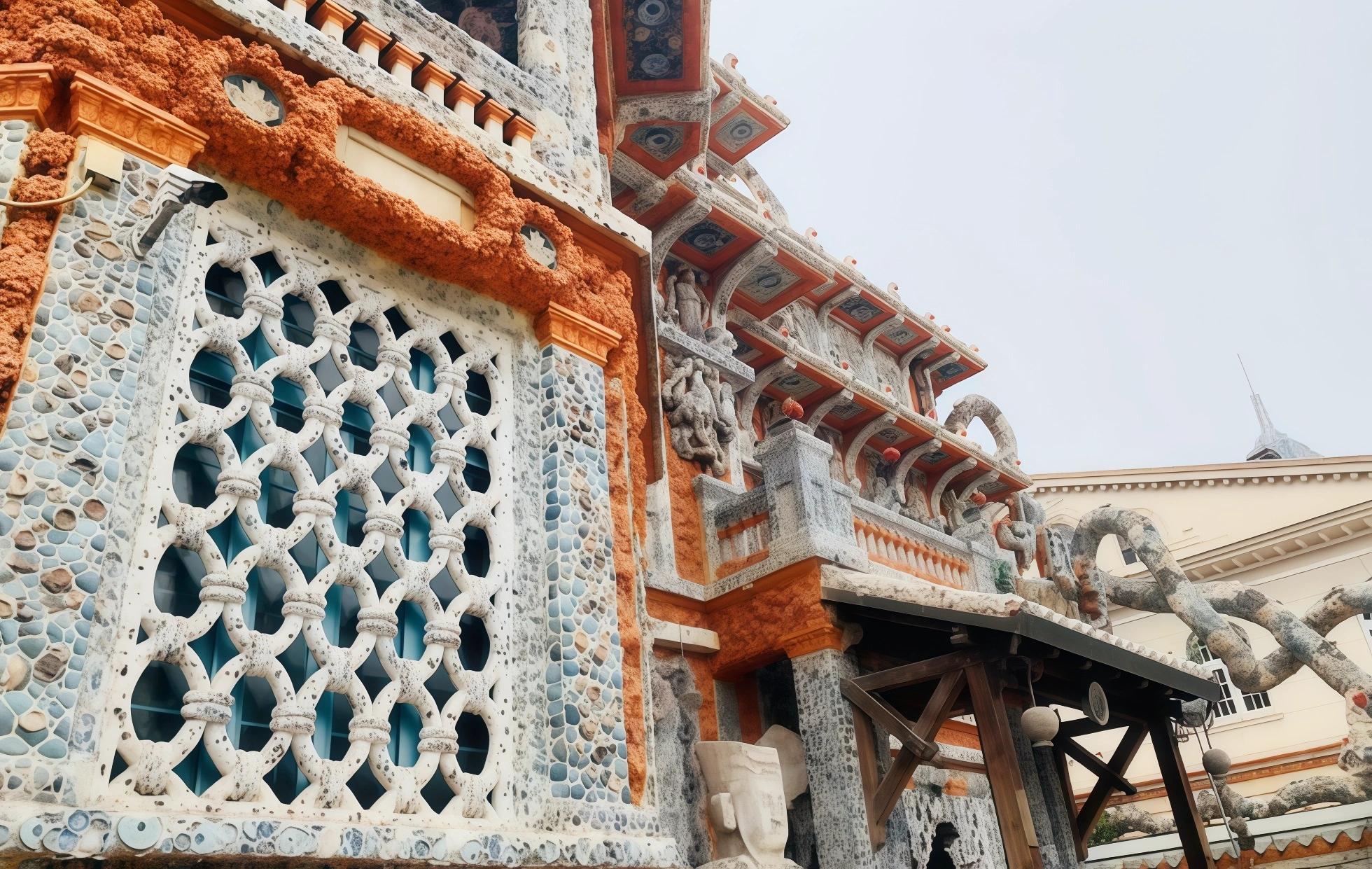
The Porcelain House is neither a mere architectural structure nor a traditional museum; rather, it is an artistic creation crafted by Zhang Lianzhi using antique artifacts.
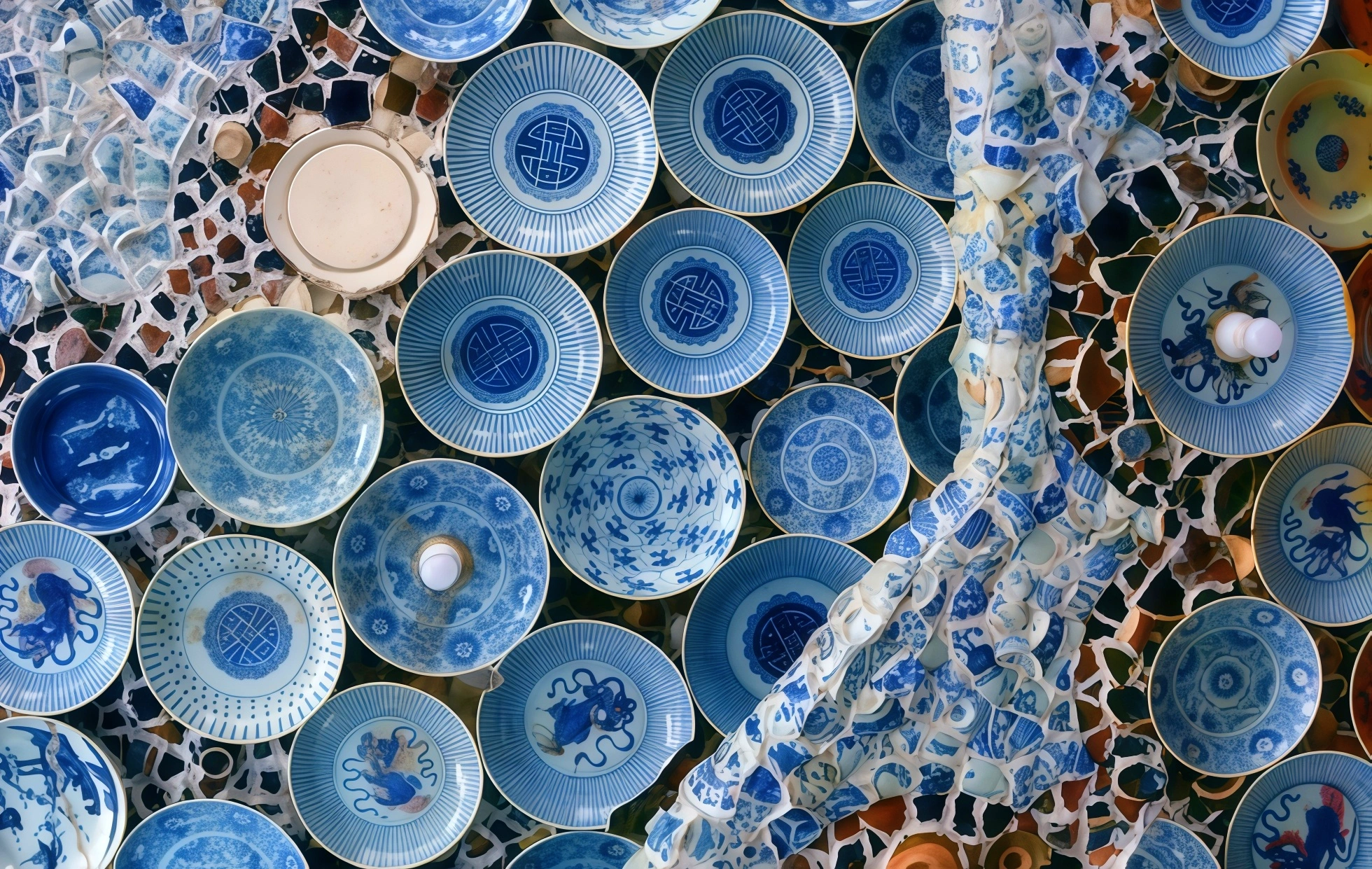
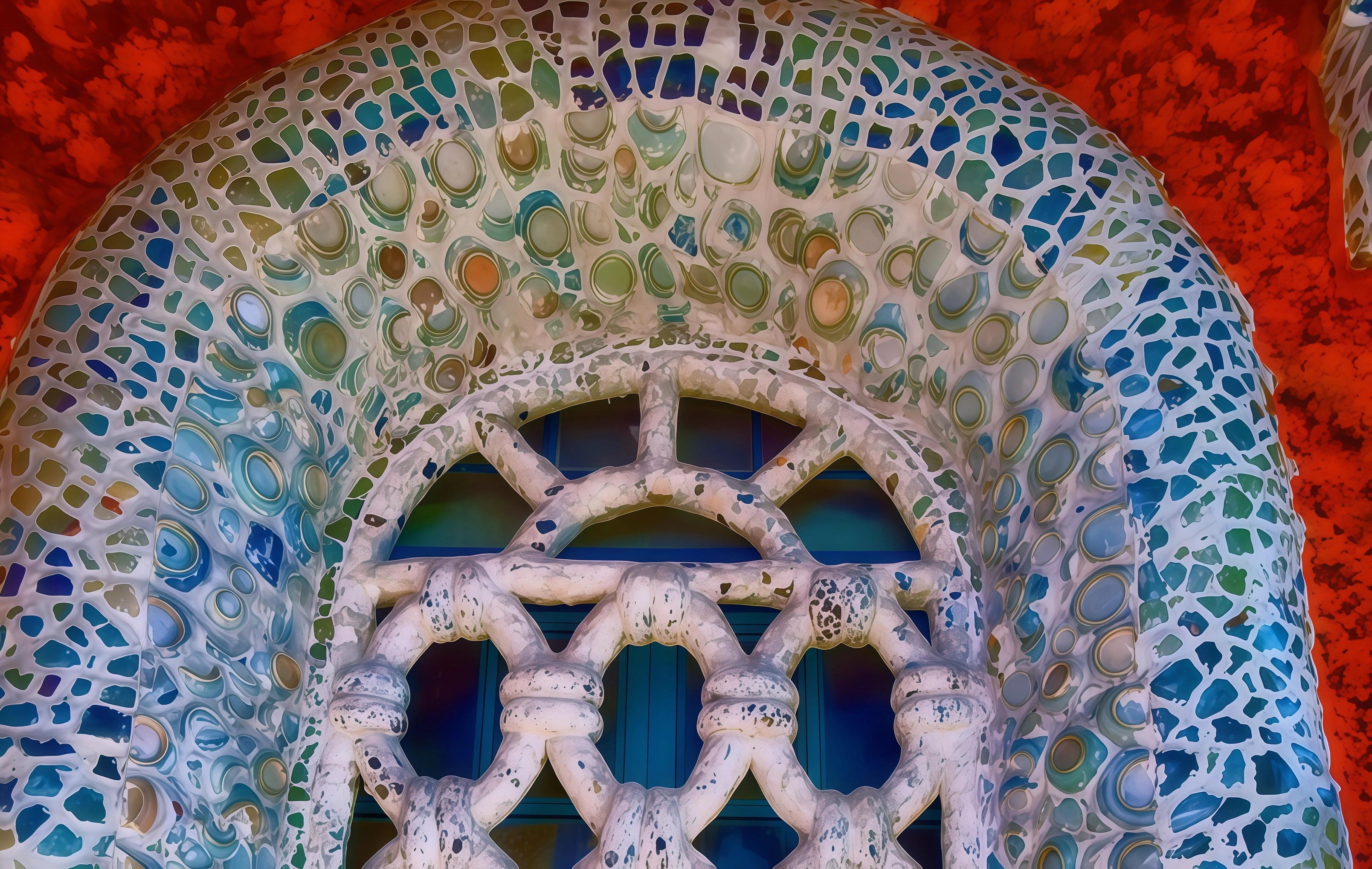
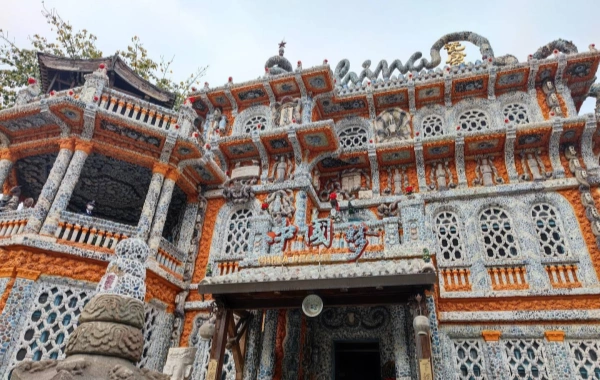
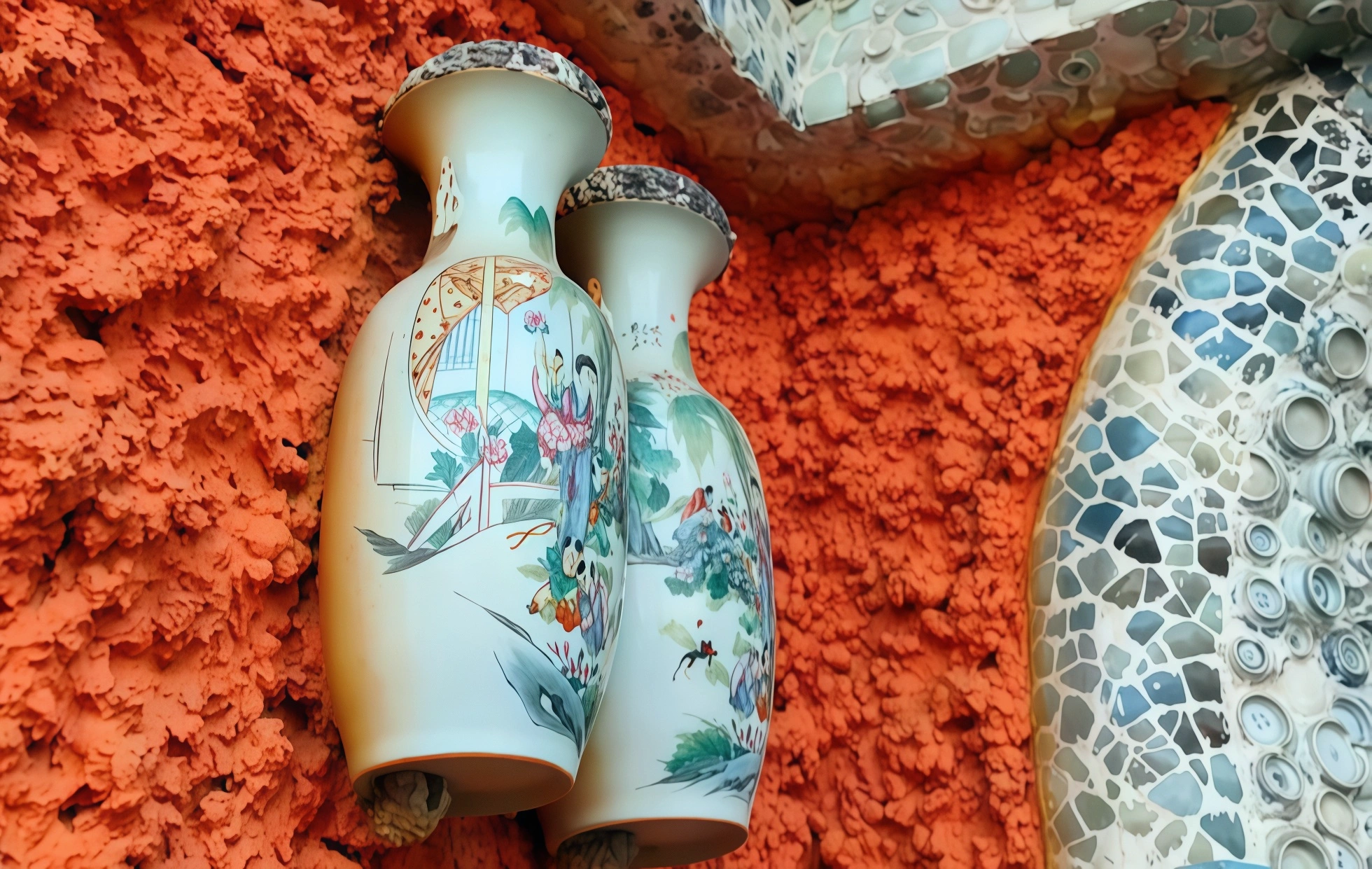
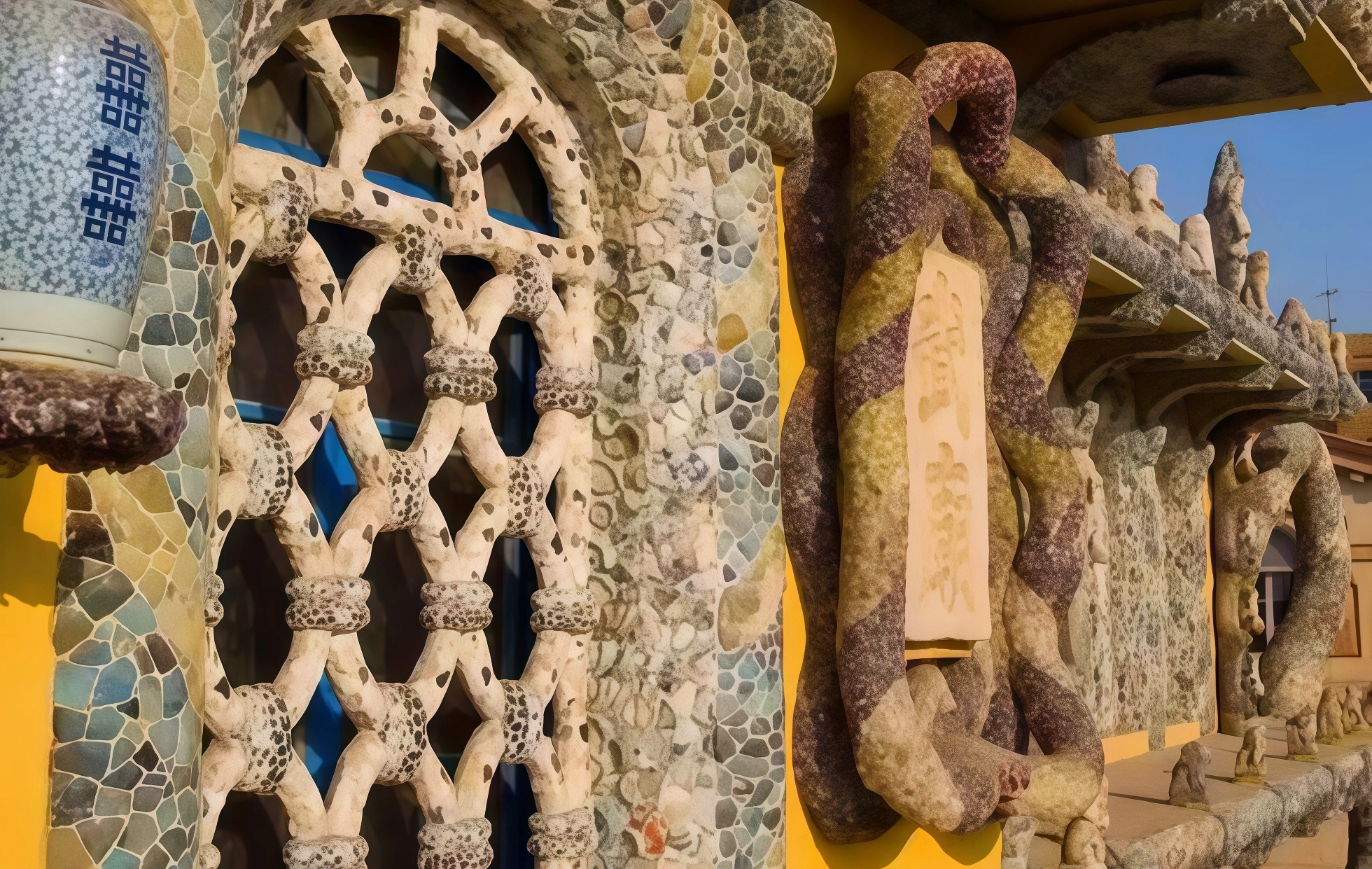
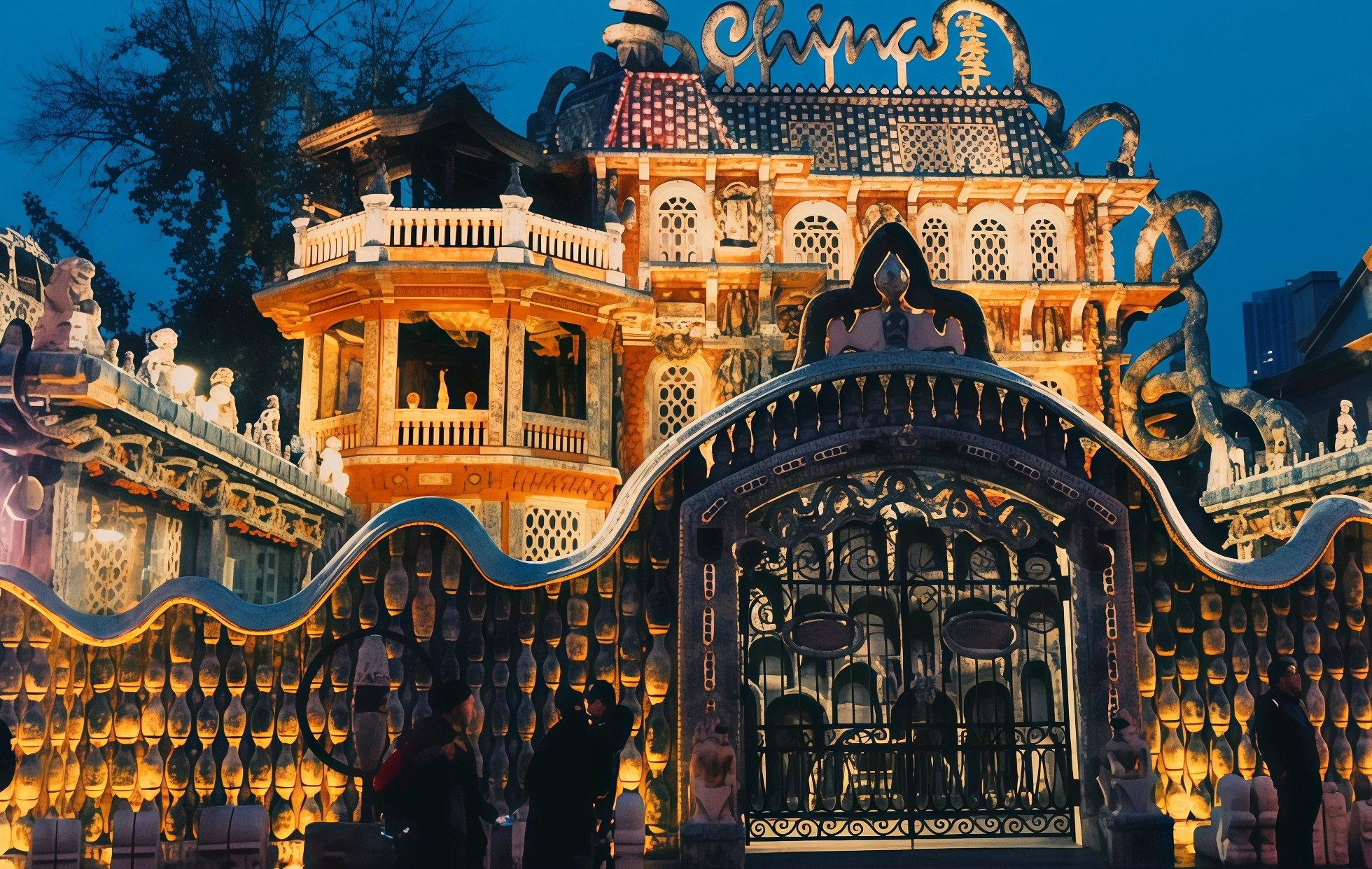
- An Epic Facade of 700 Million Antique Porcelain Shards: From the interior to the exterior—with the exception of the marble flooring—almost every visible surface of the entire building is inlaid with porcelain shards. These shards span a vast spectrum of styles, including Jin Dynasty celadon, Tang Sancai (three-color glaze), Song Dynasty Jun ware and Longquan celadon, Yuan and Ming blue-and-white porcelain, and Qing Dynasty Fencai (rose enamel) ware; virtually every category of both imperial and folk kilns can be found here. Bonded together with cement mortar and marble adhesive, these shards have become an inseparable part of the architecture itself.
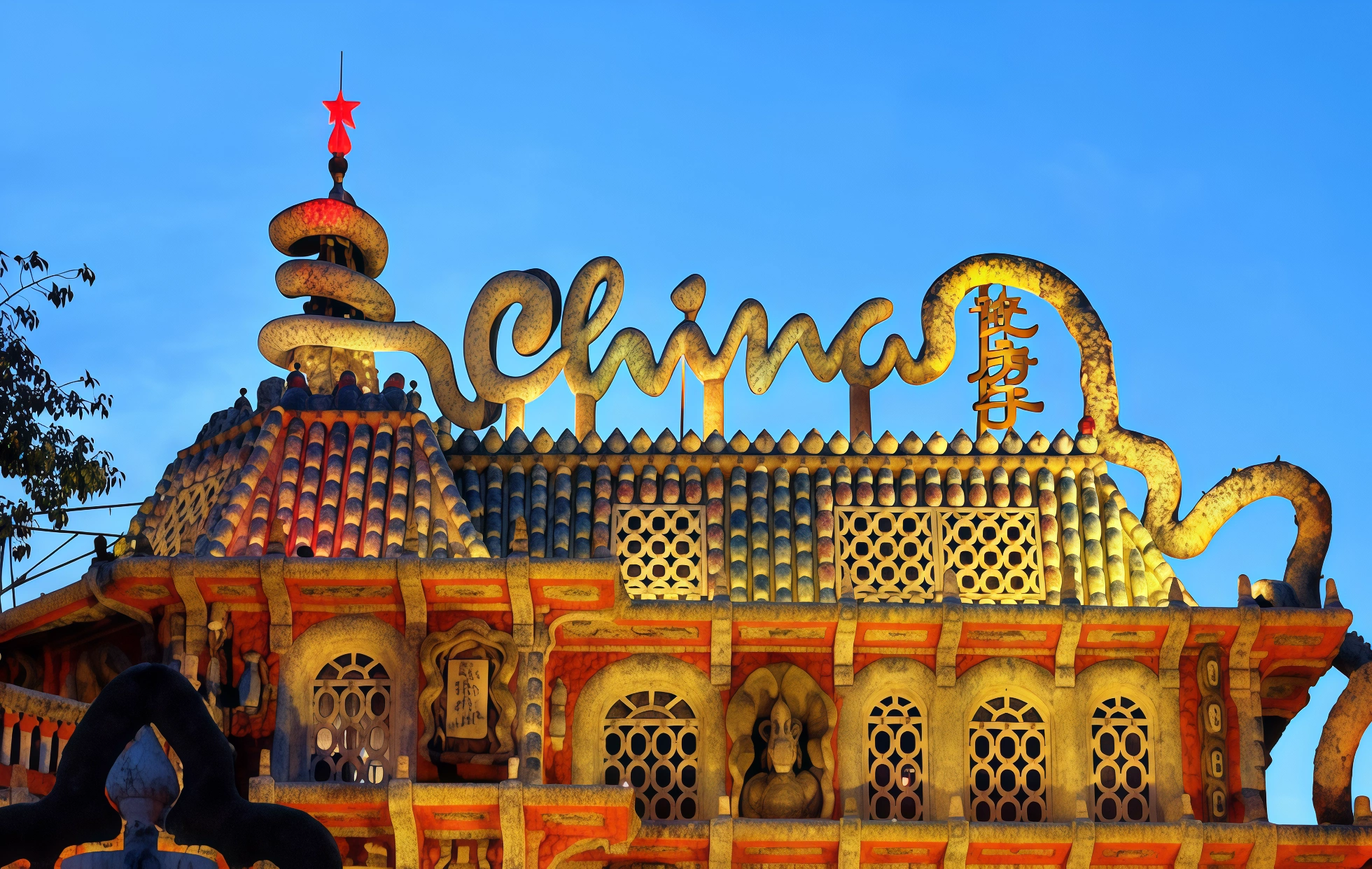
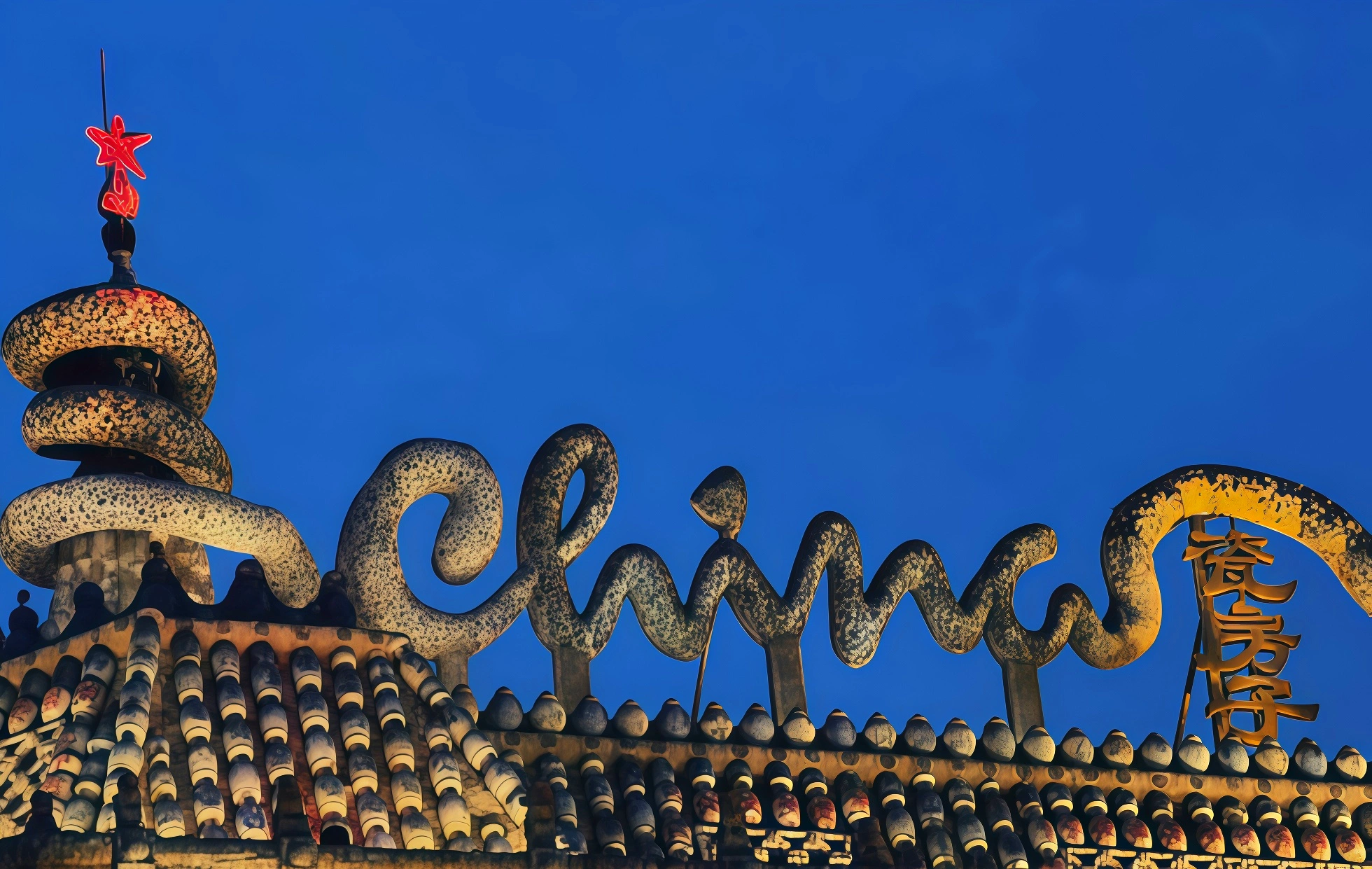
- The Coiling Porcelain Dragon on the Roof (The "China" Dragon): At the most prominent point of the roof, a colossal porcelain dragon—measuring 768 meters in length and 0.8 meters in width—coils majestically upward. Its form is pieced together from antique porcelain shards to clearly spell out the letters "China," flanked by crystal-encrusted characters reading "Love My China" and a red five-pointed star. This embodies the designer's grand vision: to let the world see China.
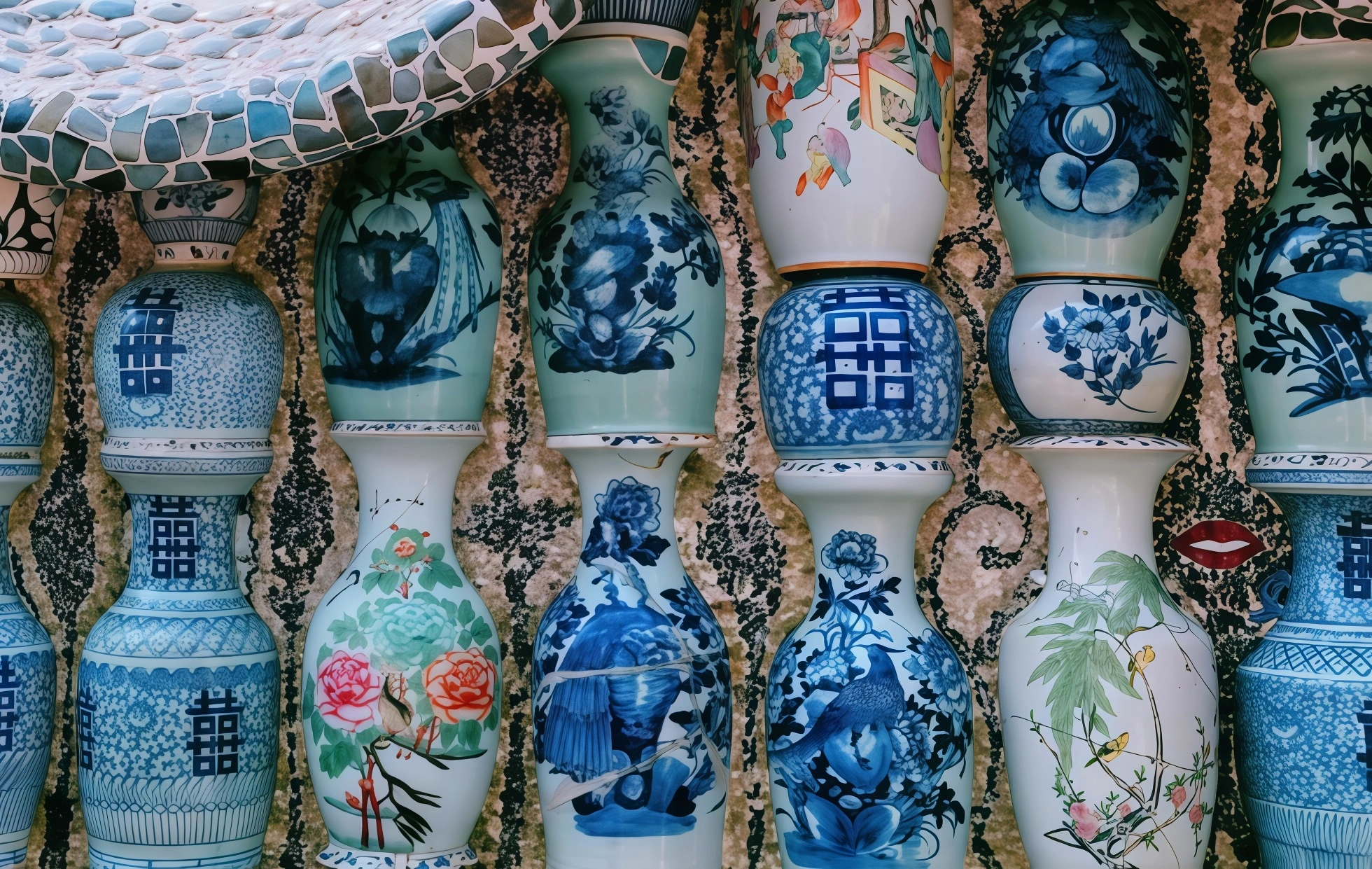
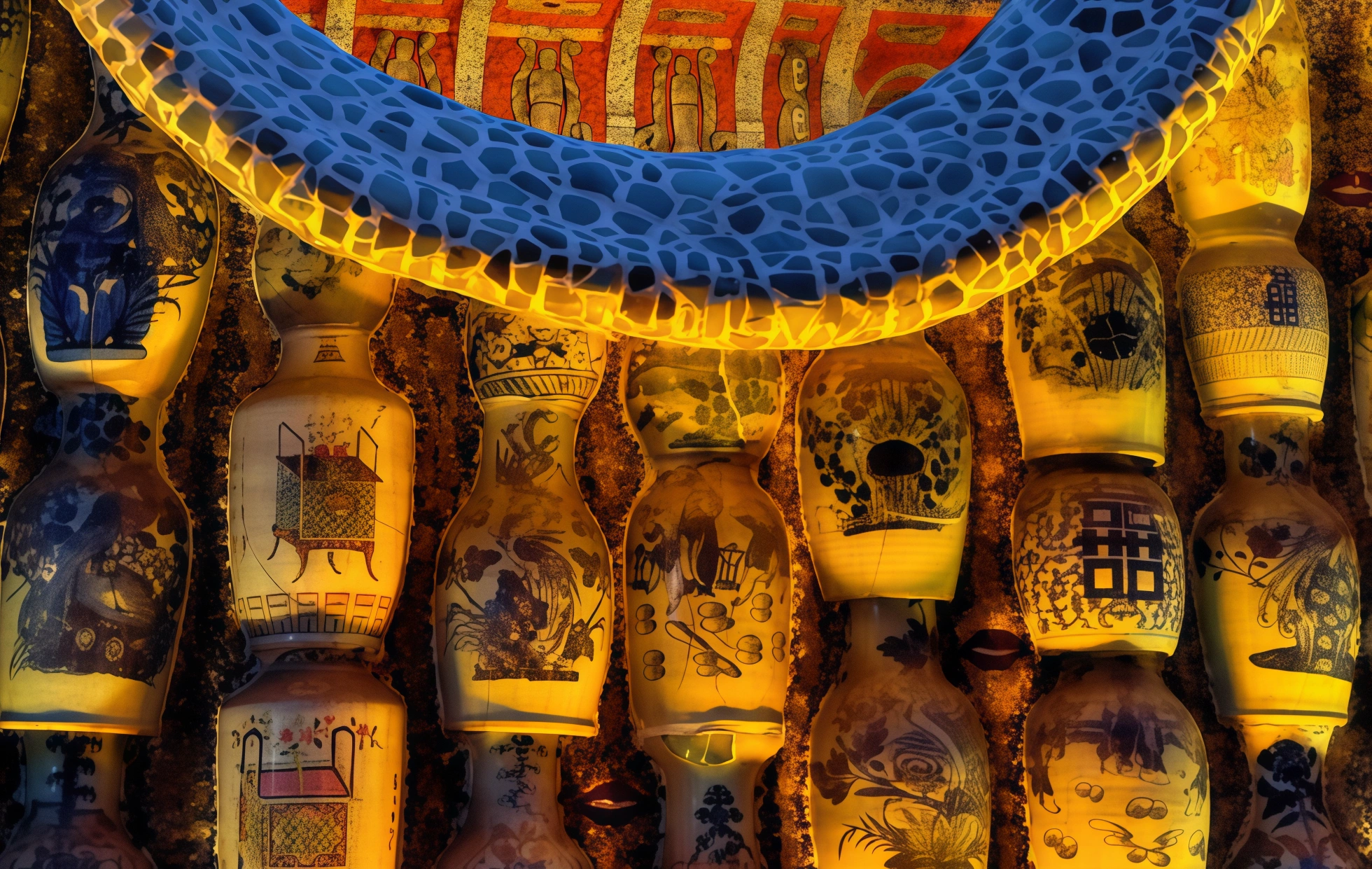
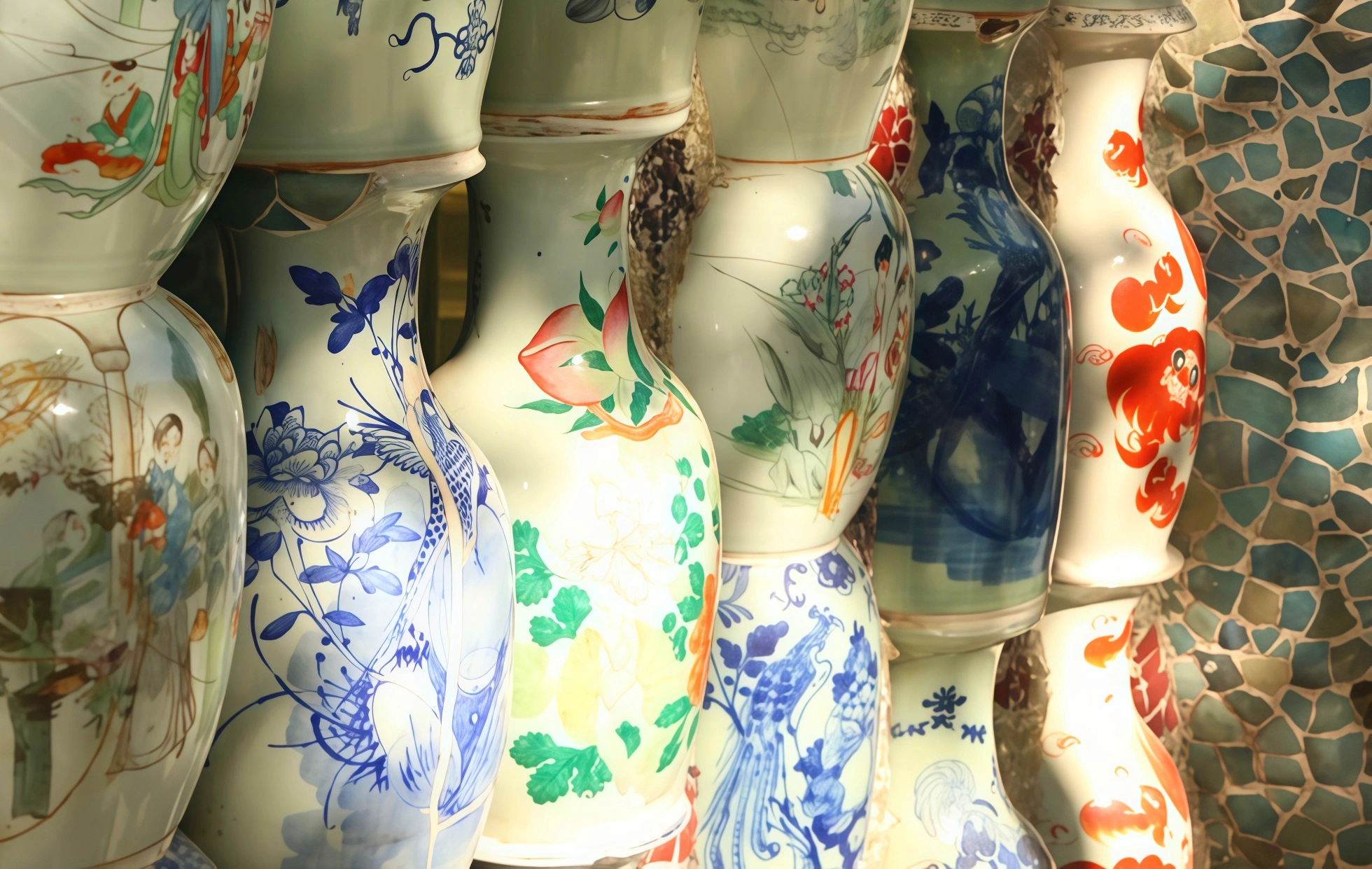
- The "Peace" Wall (The "Vase" Wall): A perimeter wall constructed by stacking and linking together 635 antique porcelain vases dating back to the late Qing Dynasty and the Republic of China era. In Chinese, the word for "vase" (ping) is a homophone for "peace" (ping), thus imbuing the wall with the auspicious symbolism of "peace and safety."
- Guardianship of Stone Lions and Door-Stones: The Sancai glazed lions guarding the entrance once stood watch over the residence of Duan Qirui. Scattered throughout the courtyard are over 300 stone lions carved from white marble—dating back to the Tang and Song Dynasties—along with more than 300 other stone sculptures from various historical periods. A touching story lies behind the pair of stone door-stones standing guard at the main entrance: to acquire them, Zhang Lianzhi made countless journeys back and forth to a farmhouse in Shandong province. He persisted because the elderly farmer who owned them firmly believed that these specific door-stones possessed the power to ensure his pigs "never fell ill"; ultimately, Zhang's sincerity won over the owner.
Spatial Aesthetics—A Walk-Through Museum of Antique Porcelain
The interior of the Porcelain House resembles, even more closely, a "Treasure Pavilion" brimming with delightful surprises. Ceilings and Walls Adorned with Porcelain Art:
- The ceiling of the second-floor pavilion is entirely clad in intact antique porcelain plates; the central ring features a collection of fish-patterned plates—a rarity in the world.
- On the red walls, shards of porcelain have been used to "paint" famous artworks and calligraphy spanning ancient and modern times, both Chinese and Western: *Court Ladies Preparing Newly Woven Silk by Zhang Xuan (Tang Dynasty), Old Tree and Strange Rock by Su Shi (Song Dynasty), Eagle and Pine (Yuan Dynasty), and even the Mona Lisa—a diverse array ranging from Mi Fu to Xu Beihong.
"Easter Eggs" Hidden in the Details:
- Dinosaur Egg Fossil: On the wall near the entrance, an unassuming brown spherical object turns out to be a dinosaur egg fossil dating back 200 million years.
- Ming Dynasty Stone Washbasin: The inconspicuous stone basin used for hand-washing in the courtyard is actually an antique from the Ming Dynasty.
- The "Museum's Crown Jewel"—A Buddha Head: Displayed in the side room near the exit is the largest Buddha head in the collection; featuring a recess between the eyebrows where a ruby was once embedded, it is truly the museum's most prized treasure.
- Porcelain Cat Downspout: On the right side of the building's exterior, a vertical column of porcelain cats extends from the top floor down to the base of the wall. Embellished with surrounding crystals and agates, this decorative feature actually conceals a functional downspout; at the pipe's outlet, blue porcelain shards have been arranged to spell out the name of the museum's curator, "Zhang Lianzhi."
Photography Tips:
The best vantage point for a panoramic shot is across Chifeng Road, offering a view of the entire porcelain house façade and the porcelain dragon.
Shoot upwards to capture the eaves, using a telephoto lens to zoom in on the intricate details of the porcelain cats, lions, crystals, and agates.
At sunset, warm light bathes the porcelain shards, refracting into a soft yet dazzling glow.
The lighting indoors is relatively dim; using a lens with a wide aperture is recommended.