Overview: A three-dimensional Buddhist art epic of mountain carving
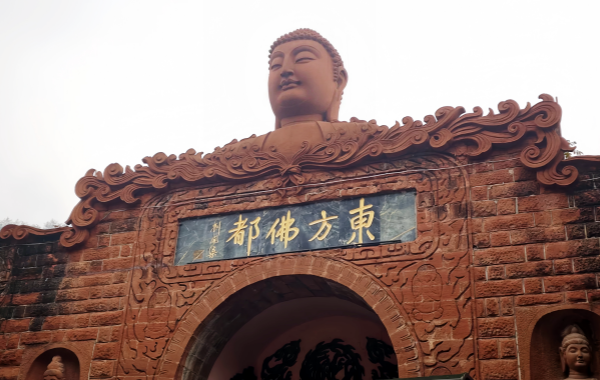
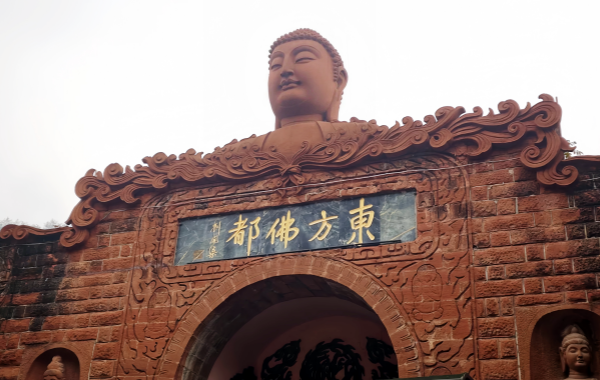
The Oriental Buddha City, located at the back foot of Lingyun Mountain in Leshan City, Sichuan Province, adjacent to The Leshan Giant Buddha Scenic Area, a world cultural heritage, is a modern Buddhist stone carving art theme scenic spot covering an area of about 200000 square meters.
Quick overview of core highlights
Identity tag: extension and supplement of Leshan Giant Buddha Scenic Area/palace of modern stone carving art/miniature Buddhist country with ten thousand Buddhas
Core experience: Admire the giant reclining Buddha, travel through Buddhist caves, appreciate the collection of Chinese and foreign Buddha statues, and experience the Zen spirit of the mountains and forests
Recommended tour: 2-3 hours, one day deep tour with Leshan Giant Buddha Scenic Area
Address: No. 362, Lingyun Road, Shizhong District, Leshan Giant Buddha Scenic Area, Sichuan
Originating from Lingyun - A Dialogue Between the Past and the Present Through Space
The birth of the Oriental Buddha Capital has a profound origin with the millennium Leshan Giant Buddha Scenic Area across the river. The Leshan Giant Buddha Scenic Area was excavated in the Tang Dynasty. After thousands of years of wind and rain, it is the peak of ancient Chinese mountain stone carving art. In the 1990s, with the growth of people's interest in Buddhist culture and art, and the initial development of cultural and tourism industry, a grand idea was proposed: Can we build an "open-air museum" that focuses on the Buddhist stone carving art in China and even the world within the Lingyun Mountain system where the Leshan Giant Buddha Scenic Area is located? This not only allows tourists to continue to deeply experience the profoundness of Buddhist art after admiring ancient masterpieces, but also pays tribute to the ancients with modern techniques. So, with the promotion of the government and artists, the construction of Dongfang Buddha began in 1994. After several years of meticulous carving, a contemporary "Buddhist country" gathering tens of thousands of Buddha statues quietly took shape on the back mountain of Lingyun Mountain.
Craftsmanship Reconstruction - Modern Expression of Traditional Techniques
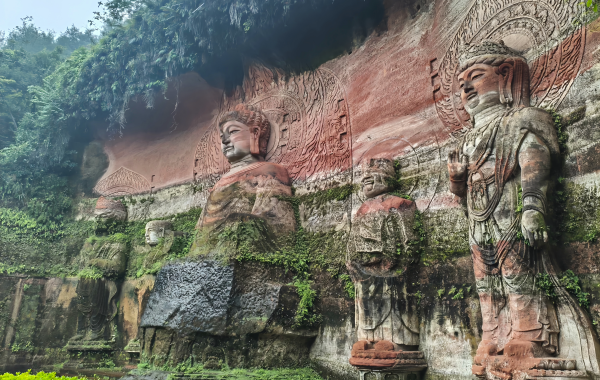
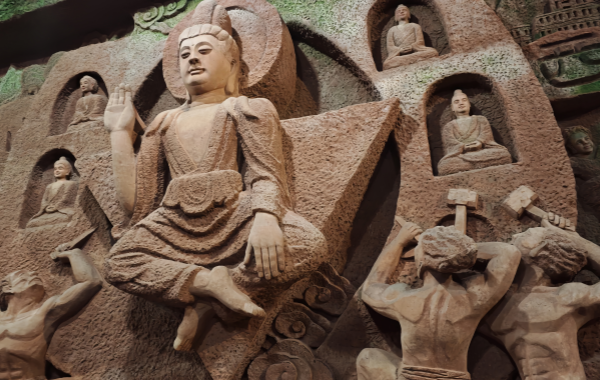
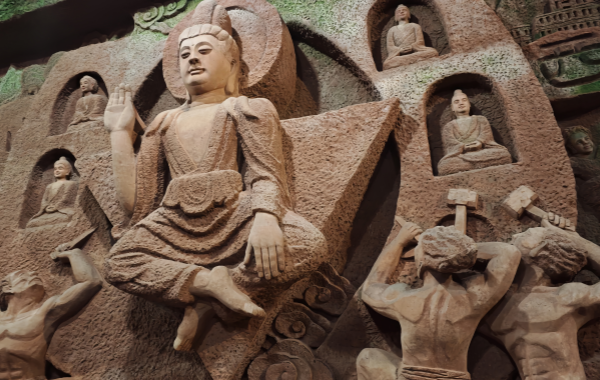
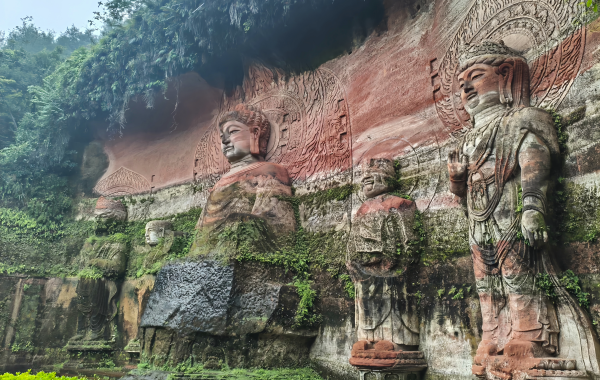
Unlike ancient royal or folk spontaneous excavation of grottoes, the construction of the Eastern Buddhist Capital is a systematically planned cultural and artistic project. The project brings together outstanding domestic sculptors, stonemasons, and cultural and historical experts. They conducted in-depth research on the styles of Buddhist statues from the Northern Wei, the prosperous Tang, to the Ming and Qing dynasties, while referencing the artistic features of Buddhism in India, Southeast Asia, and other regions, striving to preserve the spirit of imitation while respecting tradition in innovation. All Buddha statues are made of local red sandstone, taking advantage of the terrain along the mountain, or using the original natural grottoes for re creation, integrating artificial carving with the natural environment, continuing the ancient artistic philosophy of "the mountain is a Buddha, and the Buddha is a mountain" in the Leshan area.
In depth understanding: Explore more Chinese Buddhist grotto art>>A pilgrimage to the Mogao Grottoes of Dunhuang
The core landscape of the Oriental Buddhist Capital is entirely composed of humanistic and artistic creations, and its main body can be summarized into three levels: "giant Buddha statues, cave Buddhist kingdoms, and gatherings of ten thousand Buddhas". The natural mountains and forests are its wonderful background and stage.
Humanistic Realm - Shocking Scale and Exquisite Craftsmanship
Lianxin Mountain - Giant Sleeping Buddha and Thousand Buddha Cave
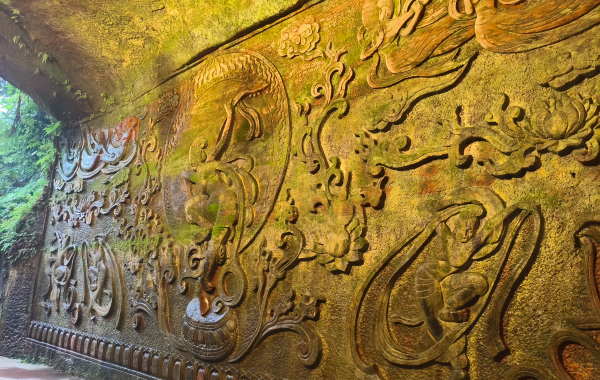
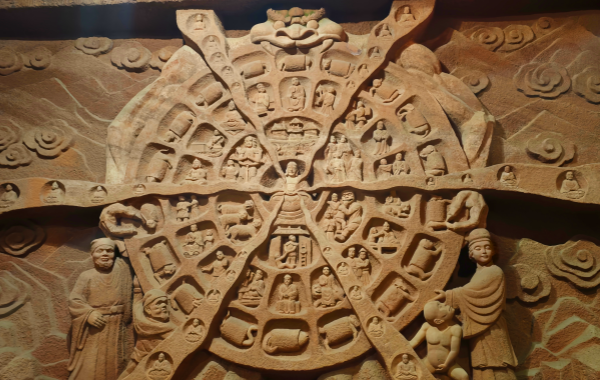
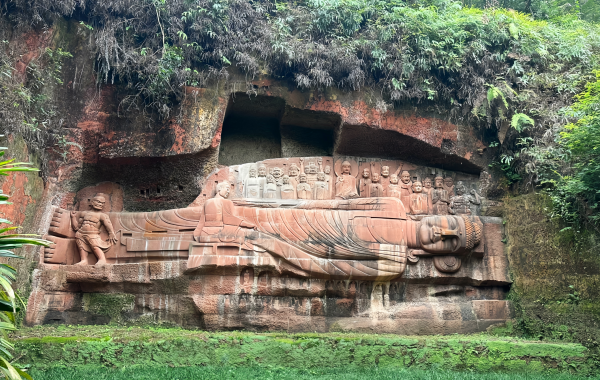
This is the treasure of the Eastern Buddhist capital and the starting point of visual impact. The giant reclining Buddha, measuring 173 meters in length, stretches across the ridge of Lianxin Mountain, with its head facing south and feet facing north, naturally exposed in the middle. The head and feet are intricately carved. Its scale is grand, especially spectacular when viewed from across the river or from the air. Beside the reclining Buddha is the Wanfo Cave excavated along the mountain. The cave is deep and wide, imitating the artistic style of famous grottoes such as Dunhuang, Yungang, and Longmen. Thousands of Buddha statues, bodhisattvas, and flying beings of different sizes and shapes are carved inside the cave, accompanied by colorful paintings, creating a solemn and magnificent Buddhist world. It can be called a three-dimensional history of Chinese Buddhist cave art.
Buddhist Paradise - the culmination of cave art
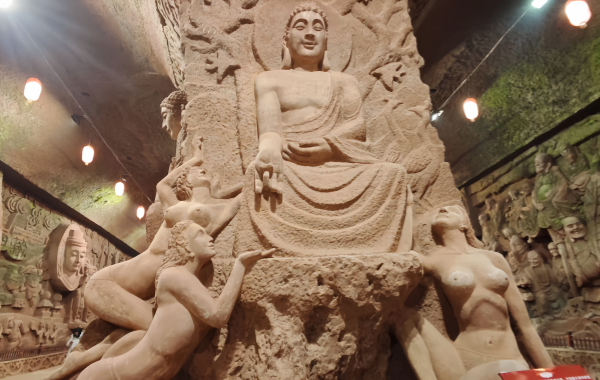
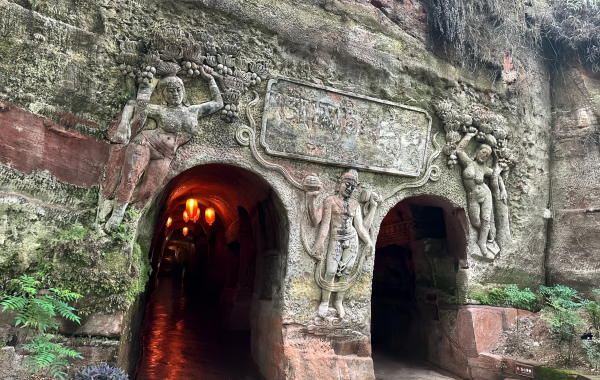
The cave Buddhist kingdom, which is formed by connecting and transforming dozens of natural caves of different sizes, is the most exquisite part of the scenic area. The most famous ones are undoubtedly the Medicine Buddha Cave and the Buddha Sitting Statue Cave. Inside the Medicine Buddha Cave, the main deity, Medicine Buddha, has a kind and benevolent expression. The twelve Medicine Fork Generals on both sides are powerful and vivid, and the cave ceiling is painted with flying and graceful colors, creating a complete Pure Land scene. The 33 meter high statue of Buddha was carved using the existing space of the towering cave, with a magnificent aura that evokes awe when viewed from above. The clever design of light and shadow inside the cave adds a mysterious and sacred atmosphere.
Chinese and Foreign Buddha Statue Corridor - Artistic Dialogue Across Time and Space
Along the scenic trail, there are groups of Buddha statues inspired by Buddhist art from around the world. There are not only Arhat and Bodhisattva in China, but also Buddha statues in Southeast Asia style, and even statues imitating Gandhara art in India. Although these works are imitations, their craftsmanship is exquisite, providing visitors with an excellent classroom for intuitive comparison of Buddhist art styles in different regions.
Natural Background - Green Zen of Lingyun Mountain
Although the core of the landscape is stone carvings, the natural environment of Lingyun Mountain itself provides an irreplaceable foundation for Eastern Buddhism.
Mountain and Forest Trail: The sightseeing trail winds through the dense forest, with towering ancient trees, hanging vines, and the chirping of birds and the fragrance of flowers. Walking among them is like taking a 'Zen meditation stroll', where the hustle and bustle of the world is naturally filtered out, and the soul has gained a moment of peace before moving towards the next Buddha statue.
Observation Deck for Distant View: There is an observation deck in the scenic area that offers a magnificent view of the confluence of the Minjiang River, Qingyi River, and Dadu River, as well as a distant view of Leshan City. Take in a panoramic view of humanistic art and natural landscapes, creating a broad artistic conception.
Photography tips:
Panoramic view of the reclining Buddha: It is necessary to use a drone or go to a specific high-altitude platform to capture the panoramic view of the reclining Buddha lying on the mountain ridge, which is magnificent.
Cave Light and Shadow: In the Wanfo Cave or Medicine Buddha Cave, use the natural side light at the entrance of the cave or the internal lighting to capture the contrast of light and shadow and the detailed texture of the Buddha statue, avoiding the use of flashlights.
Environmental portrait: In the forest next to the trail, with grottoes or Buddha statues as the background and figures in front, photos with a sense of story and Zen can be taken.

Four essential tasks to unlock a complete journey to the Buddhist capital
Looking up at the reclining Buddha on Lianxin Mountain, feeling the shock of scale
After entering the scenic area, the first thing to do is to find the best angle to admire the 173 meter long giant reclining Buddha. From a distance, the overall mountain shape blends with the Buddha's body, and up close, the intricate carvings on its head and feet allow us to appreciate the grand concept of modern craftsmen using mountains as Buddha. This is the most unique visual calling card of the Eastern Buddhist capital.
Go deep into the Wanfo Cave and complete a cave art journey
Be sure to enter the Wanfo Cave. Slow down here and carefully observe the replicas of Buddha statues from different dynasties on the cave wall. From the exquisite and clear statues of Northern Wei to the voluptuous and luxurious styles of Tang Dynasty, one can feel the evolution of Buddhist art style, as if traveling through a millennium long corridor of time within a short hundred meters.
Experience tranquility and sanctity in the Buddhist kingdom of the cave
Choose a major cave (such as the Medicine Buddha Cave) and stand still in front of the Buddha statue for a moment. Listen to the sound of dripping water, feel the coolness and solemnity inside the cave, and transform the visual shock brought by cave art into inner peace, completing a brief spiritual precipitation.
Comparing Chinese and foreign Buddha statues, attend an outdoor art class
During the tour, consciously observe the Buddha statues of different regional styles on both sides of the trail. Reflecting on the differences in facial features, clothing patterns, and fingerprints is a more intuitive and vivid comparative art experience than reading books.
Tourist Route Suggestions
The Dongfang Buddha City scenic area is concentrated in scope, with clear tourist routes that take about 2-3 hours. Therefore, the most classic and perfect arrangement is to connect it with the Leshan Giant Buddha Scenic Area, which is just a short distance away, for a full day of "ancient and modern" Buddhist art depth trip.
One day "Ancient and Modern Double Buddha" in-depth art tour (highly recommended):
Morning (8:30-12:00): First visit the Leshan Giant Buddha Scenic Area. Enter from the north gate of the scenic area, follow the boardwalk down to Buddha's feet, look up at the magnificent works of the Tang Dynasty, and feel the weight of history. Afterwards, visitors can visit surrounding historical sites such as Lingyun Temple and Mahao Cliff Tomb.
Noon (12:00-13:30): Enjoy authentic Leshan lunch near Leshan Giant Buddha Scenic Area Scenic Area or in the urban area, such as bean curd jelly served with sauce, bowl chicken, sweet skinned duck, etc.
Afternoon (13:30-16:30): Walk or take short distance transportation to the adjacent Eastern Buddhist capital. Starting from the entrance, focus on visiting Lianxin Mountain's reclining Buddha, Wanfo Cave, and the core area of the cave Buddhist country, and appreciate modern stone carving art in a relatively quiet environment.
Evening: After finishing the tour, you can taste more delicious food in the downtown area of Leshan or go to Zhanggongqiao Food Street to wrap up a fulfilling cultural day trip.
The advantages of IntoTravelChina: We can book the most suitable accommodation for you, arrange the connection of all activities, and provide detailed hiking routes and safety guidelines.
Professional guide: IntoTravelChina can provide you with a personalized itinerary, including exclusive tour guides, transportation, and activity arrangements, allowing you to have a worry free and in-depth experience. >>Consult now for customization
How to Get There: Convenient Access Adjacent to Famous Temples
The Oriental Buddhas are located next to the Leshan Giant Buddha Scenic Area Scenic Area, and the transportation is very convenient. They are usually part of the trip to Leshan.
High speed railway+bus/taxi: take the high-speed railway from Chengdu to Leshan Station, and then transfer to bus (such as K1, 3) or take a taxi to the tourist center of "Leshan Giant Buddha Scenic Area" or "Oriental Buddha City", about 30-40 minutes' drive.
Self driving: Simply navigate to the "Oriental Buddha Capital Tourist Scenic Area". The scenic area has a parking lot.
Departing from downtown Leshan: Take a taxi or bus from Leshan city center, which takes about 20 minutes to arrive. Usually buy a joint ticket with Leshan Giant Buddha Scenic Area or arrange a visit on the same day.
Best Travel Time
The Eastern Buddhist capital mainly consists of indoor caves and outdoor stone carvings, which are less affected by seasonal weather, but outdoor walking is most comfortable in spring and autumn.
Spring and Autumn Golden Season (March May, September November): The climate is mild, neither cold nor hot. Spring is adorned with mountain flowers, and autumn is the best season to visit the Leshan area with high sky and clear clouds. Outdoor strolls and photography experiences are both excellent.
Summer (June August): The weather in Leshan is relatively hot, but the caves in the Eastern Buddha City are very cool, making it an excellent place to escape the heat. Just need to pay attention to sun protection and heatstroke prevention when walking on outdoor trails.
Winter (December February): There are fewer tourists, allowing for a quieter appreciation of art. Although it's a bit chilly outdoors, the temperature inside the cave is stable and still suitable for visiting.
Practical Information and Surrounding Accommodation
Opening hours: Open year-round, usually from 7:30-18:30 in summer and 8:00-18:00 in winter.
Ticket fee: The individual ticket is about 80 yuan per person. There are often various joint tickets with Leshan Giant Buddha Scenic Area, which can be purchased through official channels or tourism platforms.
Attention: The ground of the caves inside the scenic area is wet and slippery. Please pay attention to safety when walking; Please maintain silence, cherish the stone carvings, and do not touch the statues; In Buddhist places, it is advisable to dress neatly.
Surrounding accommodation options:
Around the Leshan Giant Buddha Scenic Area Scenic Area: There are many hotels and inns, which are convenient to visit the next morning. The environment is quiet, but there are relatively few catering options.
Leshan City (Zhanggongqiao, Old Town): The selection range is extremely wide, ranging from economy to high-end hotels, and it is located in the core area of food. You can explore Leshan snacks at night, but you need to take a car to the scenic area every day (about 20 minutes by car).
Emeishan City: If you plan to visit Emeishan the next day, you can choose to stay at the foot of Emeishan or near Baoguo Temple that night. It is very convenient to take a taxi or high-speed rail from Leshan.
IntoTravelChina accommodation booking suggestion: Leshan, as a popular tourist city, experiences tight accommodation during holidays and weekends. Through our reservation, we can not only obtain real-time room status and the best price, but also package accommodation, scenic spot tickets, and transportation connections for planning. We can often get combined discounts, and ensure that you can easily connect Leshan Giant Buddha Scenic Area, Oriental Buddha Capital, and even Mount Emei. >>Click to contact IntoTravelChina travel consultant
Our travel experts can assist you with:
Tailored itinerary: Based on your interests, cleverly integrate the natural, historical, and culinary journeys of Taikoo Li and Sichuan, and design a unique route.
One stop service: handle all transportation, accommodation, tour guide, and special activity reservations during the itinerary, making you worry free and effortless.
Exclusive perspective and arrangement: providing in-depth interpretation of urban culture, recommending hidden treasure shops and exhibition information, making your trip not just sightseeing, but also a deep experience of urban aesthetics and lifestyle.
Start planning your journey now:Feel free to contact our professional travel consultants, and we will provide you with exclusive itinerary plans and quotes within 24 hours. >>Click to contact IntoTravelChina travel consultant
Based on 10,000+ traveler reviews