Pingjiang Road Historic District: A Living Journey Through Memories of a Jiangnan Water Town

Pingjiang Road Historic District: A Living Journey Through Memories of a Jiangnan Water Town

Overview: A Jiangnan Museum Without Walls
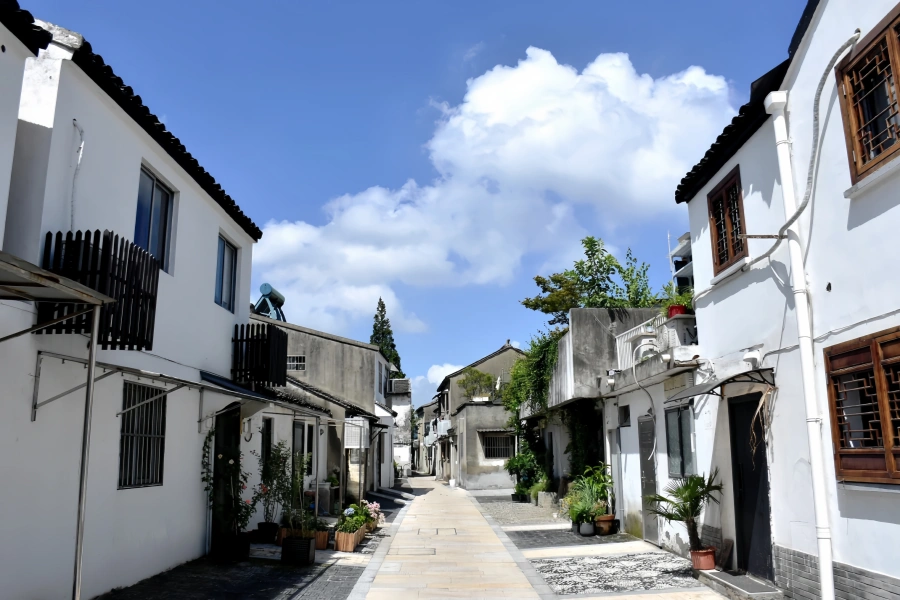
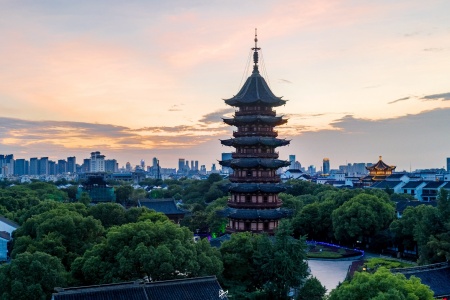
Pingjiang Road Historic District is an ancient street with a history of over 1,606 meters, winding along the Pingjiang River. It perfectly preserves the double chessboard urban layout of "parallel waterways and roads, and adjacent streets and rivers" since the Tang and Song dynasties, as well as a large number of residences, ancient bridges, and alleys from the Ming and Qing dynasties.

Key Highlights at a Glance
Identity tags: World Cultural Heritage / Famous Historical and Cultural Street of China / Living Specimen of Suzhou Ancient City
Core experiences: Enjoy Suzhou storytelling and ballad singing on a traditional rowing boat, browse creative shops and savor authentic Suzhou snacks.
Recommended visit time: half a day to a full day. We highly recommend visiting twice a day, once in the morning and once in the evening, to experience different charms.
Address: Pingjiang Road, Gusu District, Suzhou City, Jiangsu Province

  • Pingjiang Road Historic District: A Living Journey Through Memories of a Jiangnan Water Town-1
  • Pingjiang Road Historic District: A Living Journey Through Memories of a Jiangnan Water Town-2
  • Pingjiang Road Historic District: A Living Journey Through Memories of a Jiangnan Water Town-3
  • Pingjiang Road Historic District: A Living Journey Through Memories of a Jiangnan Water Town-4

Origin: A Thousand-Year-Old Street and Alleyway and the Unchanging Urban Fabric

Furong Ancient Town

The origin of the street name—from "Pingjiang Prefecture" to "Pingjiang Road"
The name "Pingjiang" originates from an important chapter in the city's history. In 1113, during the Northern Song Dynasty, Suzhou was upgraded to Pingjiang Prefecture. In 1229, during the Southern Song Dynasty, the "Pingjiang Map" stele was carved, clearly showing the double chessboard layout of "waterways and land routes running parallel, and streets adjacent to each other." This main north-south road on the east side of the ancient city was named "Pingjiang Road" after the prefecture. Over the past eight hundred years, the city's name and political power have changed several times, but the basic layout of Pingjiang Road, its alleyway system, and even the location of many buildings are remarkably consistent with the "Pingjiang Map," a rare miracle in the history of Chinese cities.

The Legacy: From Ancestral Villages to Cultural Landmarks
The history of Pingjiang Road is a condensed history of Suzhou residential life.
- Foundation laid during the Tang and Song Dynasties: Relying on the Pingjiang River, a tributary of the Grand Canal, this place became a bustling commercial hub, laying the foundation for the district's structure.
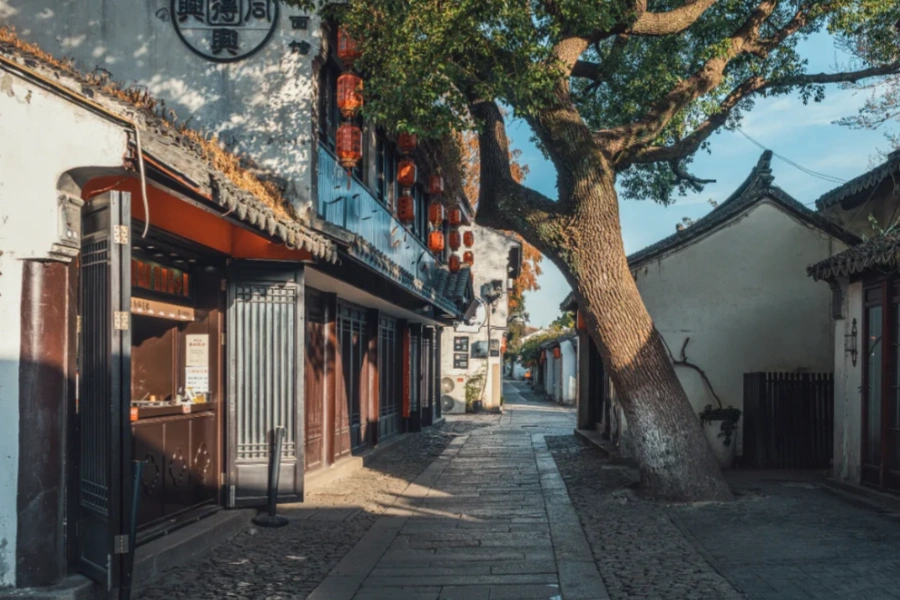
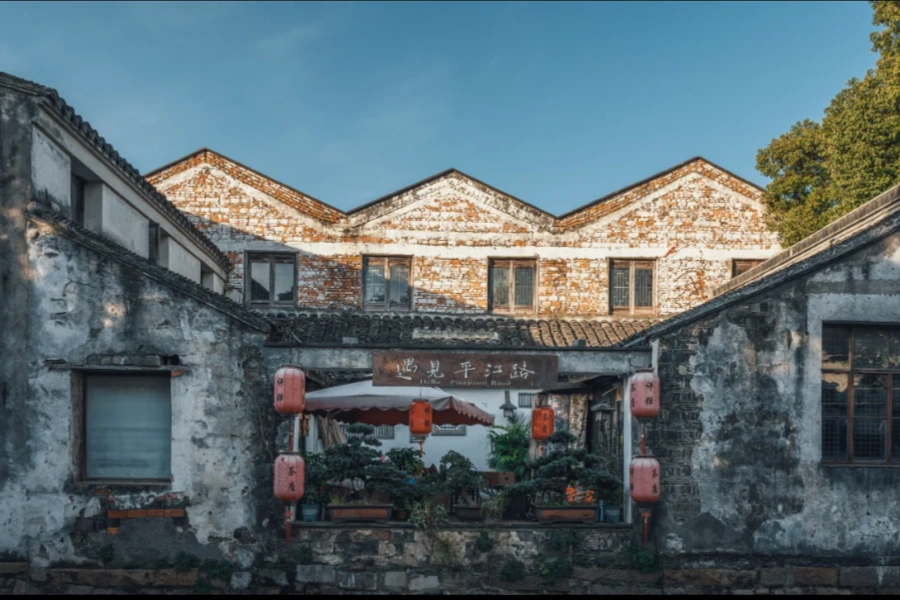
- During the Ming and Qing Dynasties, many officials, scholars, and wealthy merchants chose to build their residences here, forming a series of lanes with deep courtyards and mansions, such as Xuanqiao Lane, Niujia Lane, and Daru Lane, and the area reached its peak of development.
- From the Republican era to the present: Although it has survived the ravages of war and the erosion of time, its original structure has survived. In the early 21st century, the government carried out protective restoration based on the principle of "restoring the old as it was and preserving its authenticity". While fully preserving the original functions of the residential community, it injected cultural creativity and leisure business formats, which revitalized it and made it a model of harmonious coexistence between tradition and modernity.

In-depth understanding: Explore more classic historical districts in China >> [Beijing Nanluoguxiang] | [Shanghai Xintiandi]

Must-see spectacle: A three-dimensional scroll depicting waterways and neighborhoods

Furong Ancient Town Furong Ancient Town Furong Ancient Town Furong Ancient Town

The Charm of Nature – Dynamic Waterways and Tranquil Courtyards
The "nature" of Pingjiang Road is the carefully cultivated and integrated ecology of the Jiangnan water town into daily life.

Pingjiang River: The Soul and Vein of the Neighborhood
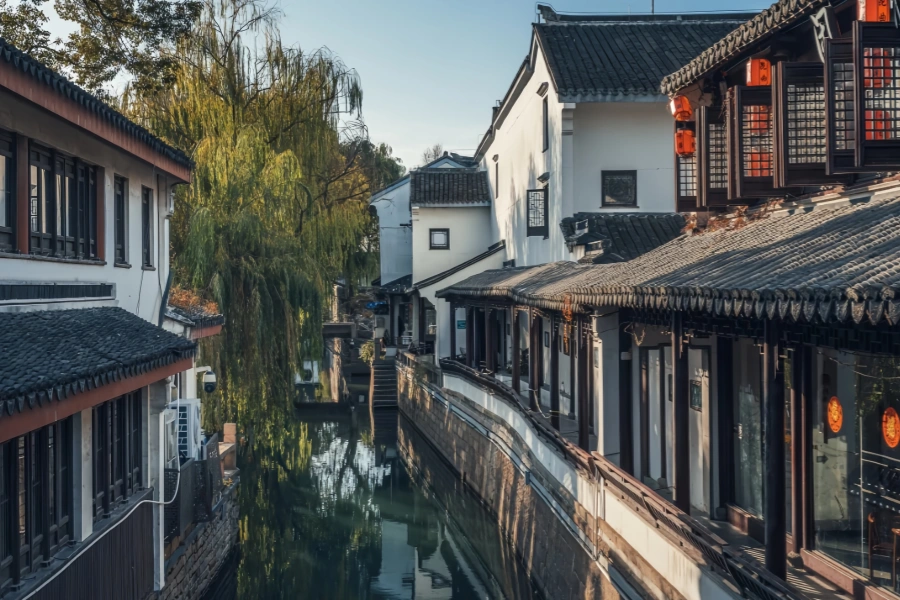
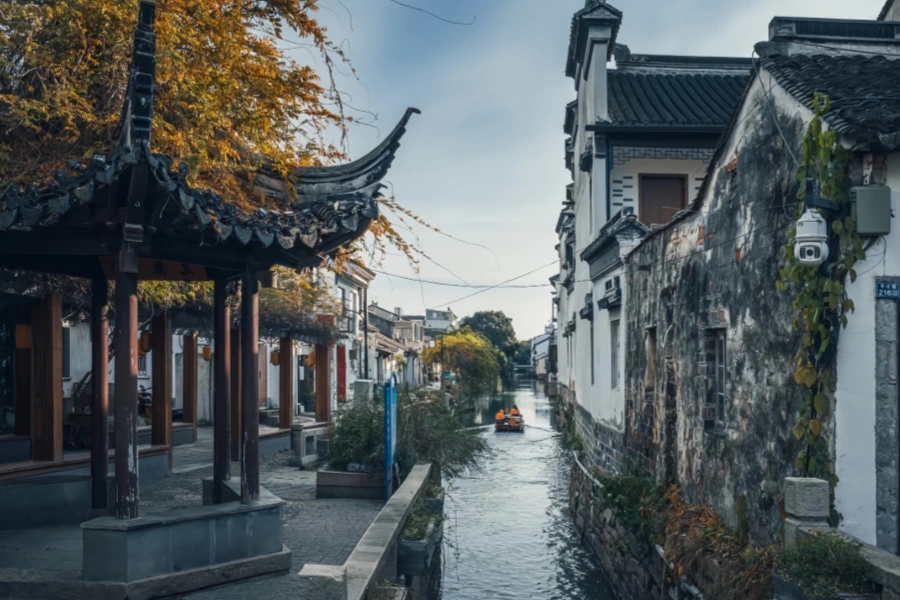
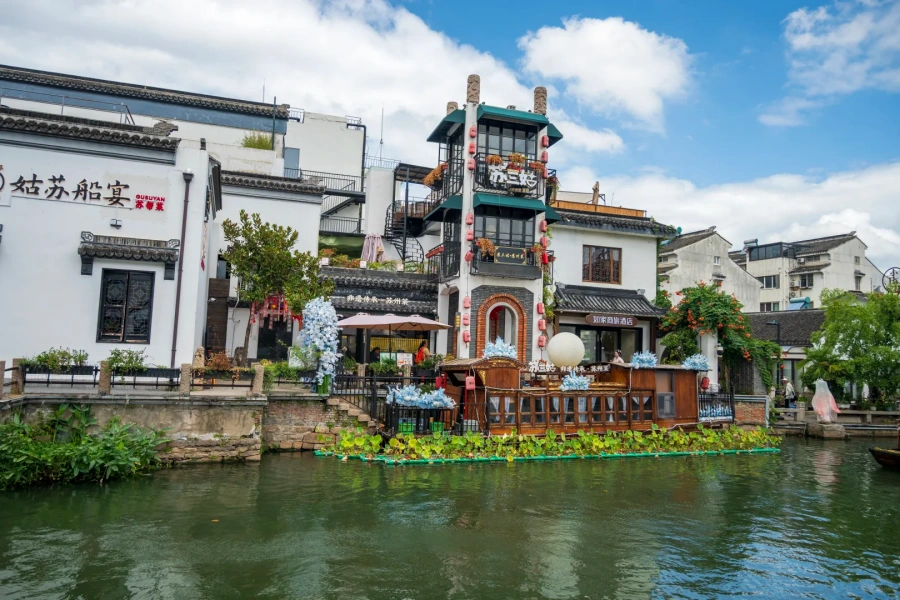
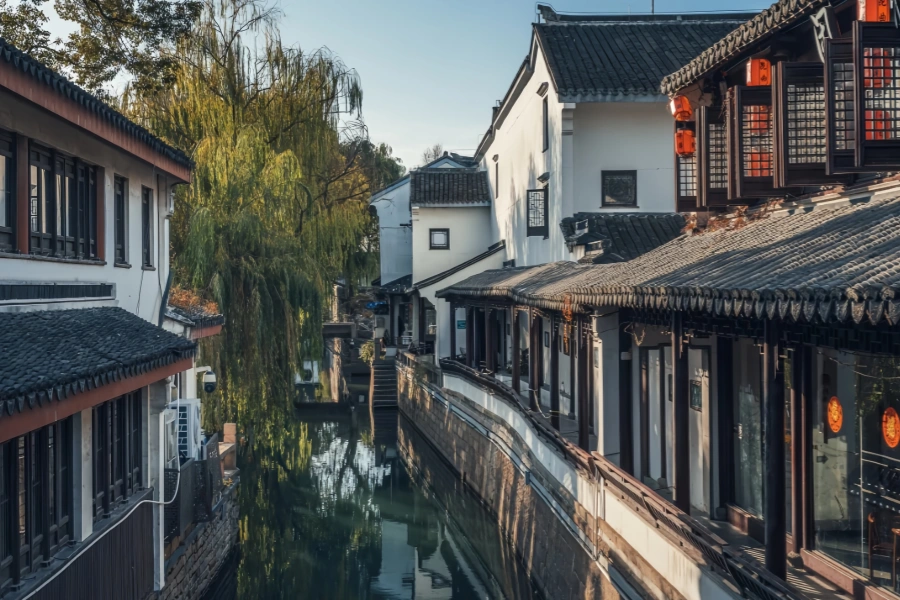
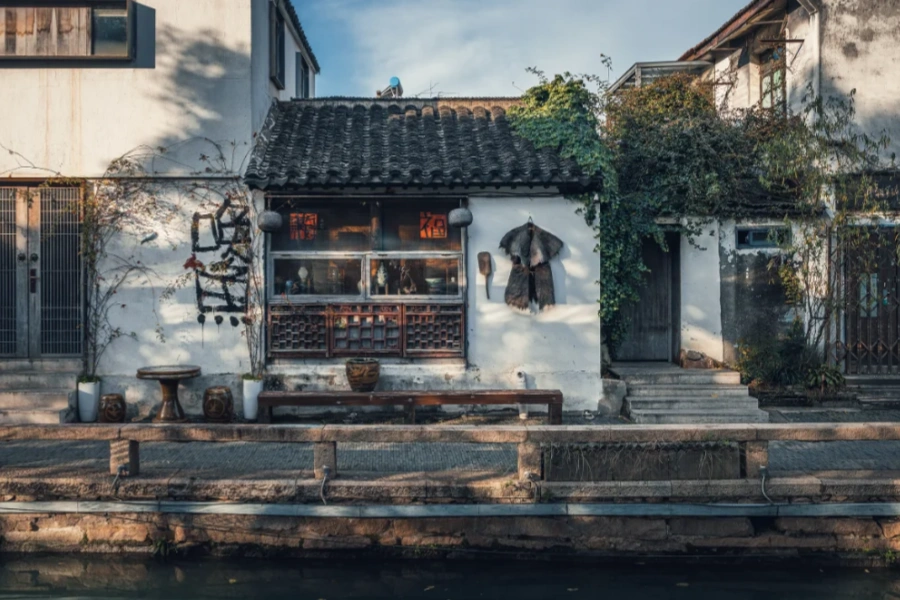
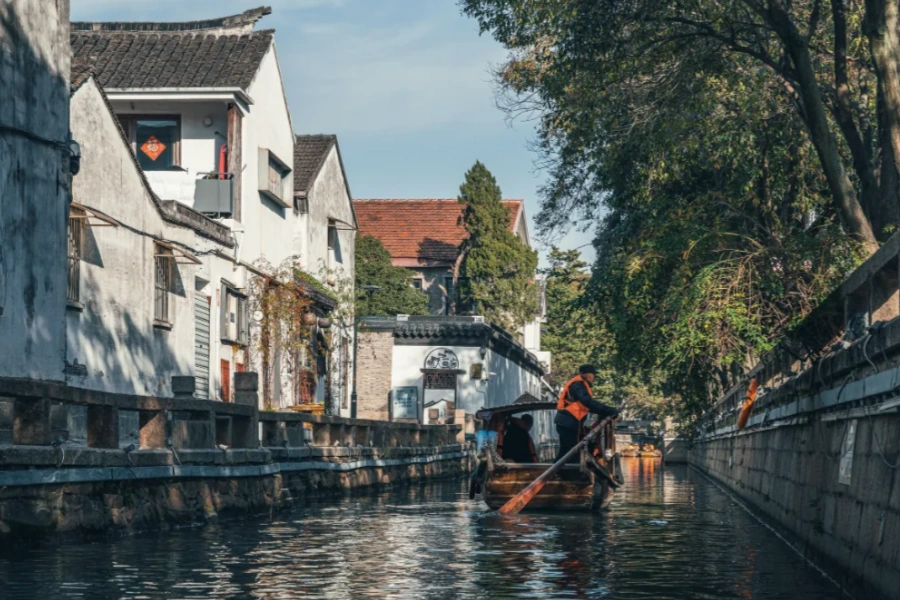
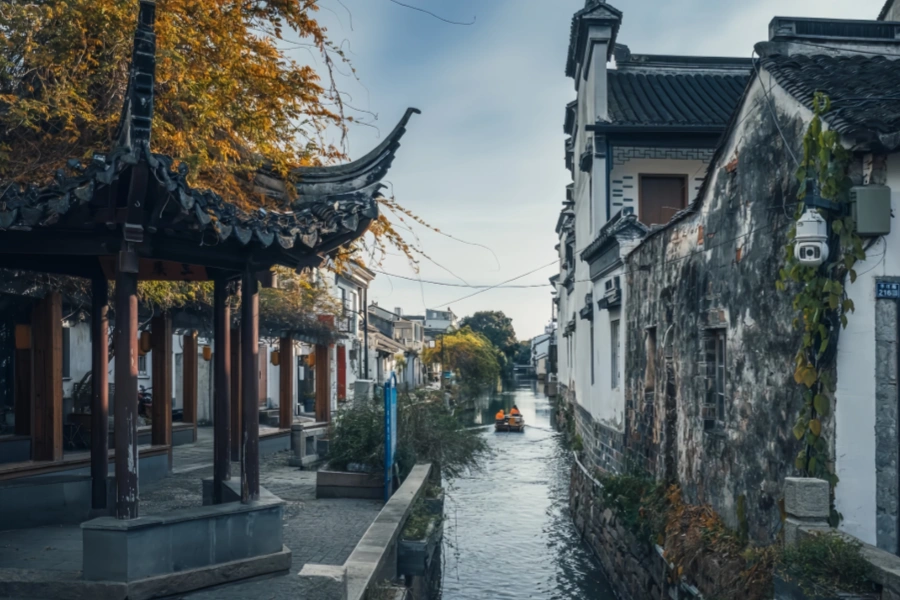
This waterway, about 5-10 meters wide, is the heart of experiencing the charm of Pingjiang Road. The water is emerald green, and the banks are built of ancient yellow stone and granite, with moss and ferns growing in the crevices, exuding a sense of history. The best way to experience it is by taking a hand-rowed boat, gliding under ancient bridges to the rhythmic creaking of the oars, watching the reflections of white walls and black tiles shimmer in the water. Sometimes, the boatwomen will spontaneously sing soft Suzhou folk songs or Pingtan ballads, creating a harmonious blend of sound and scenery.

Garden flowers and trees: a hidden elegance in the city
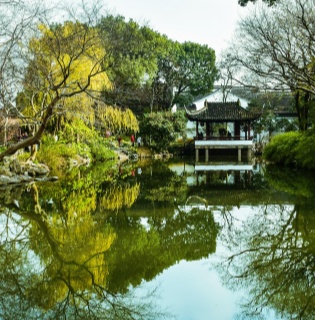
Separated from the bustling main street by only a wall, many old houses, gardens, and small museums open to the public offer a hidden world. For example, the courtyard of the Suzhou Urban Construction Museum (formerly Pan Residence in front of Weidao Temple) is filled with ancient trees and exquisite lake stones, making it a tranquil place to escape the hustle and bustle.
Pingjiang Road also boasts numerous riverside open-air tea houses and cafes. An old locust tree and a few potted vines can create a perfect corner for enjoying the view and sipping tea, allowing people to savor a touch of natural greenery amidst the hustle and bustle.

The Charm of Humanities: A Living History of Architecture and Stories of Famous Figures
Every brick, every bridge, and every alleyway here tells a story.

Double chessboard layout: A masterpiece of world urban planning
The concept of "parallel waterways and roads, adjacent streets and waterways" is key to understanding Pingjiang Road and even the ancient city of Suzhou. The Pingjiang River and Pingjiang Road run north-south like two parallel lines. Dozens of east-west alleys (such as Huxiangshi Alley and Dingxiang Alley) are like the teeth of a comb, perpendicular to the river and road, dividing the area into regular yet independent units. This layout efficiently solved the combined needs of transportation, logistics, fire prevention, and residence, demonstrating the extraordinary wisdom of the ancients.

Ancient Bridge Museum: Every step is a scenic view
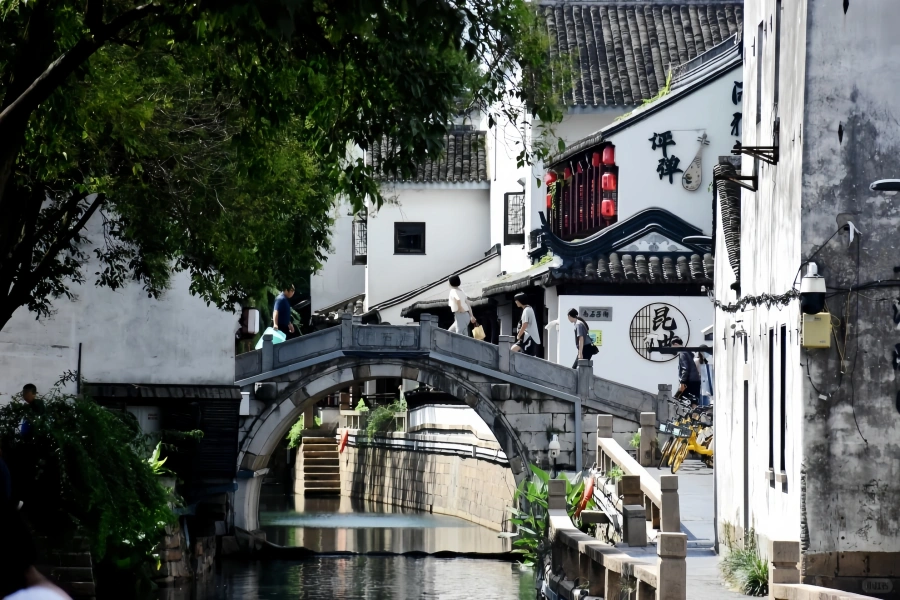
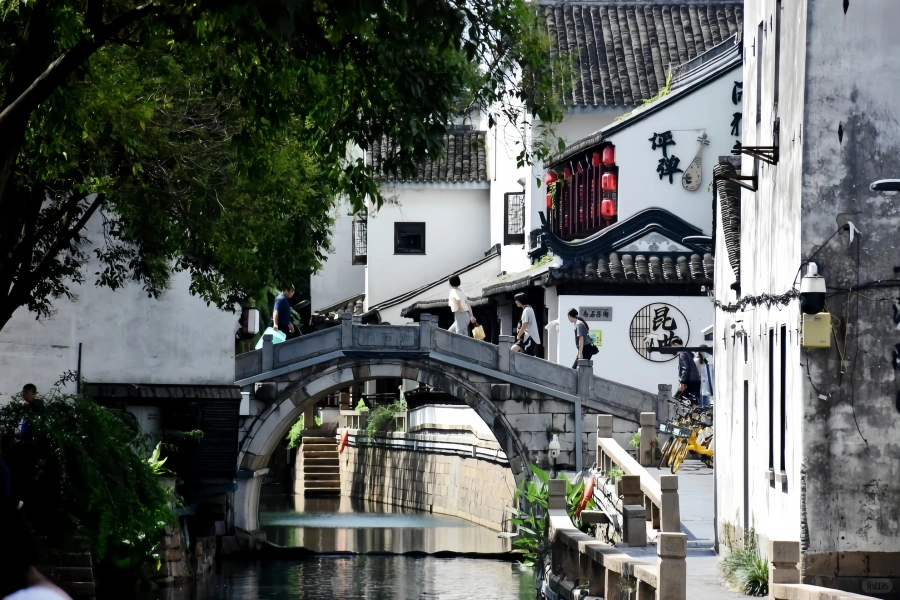
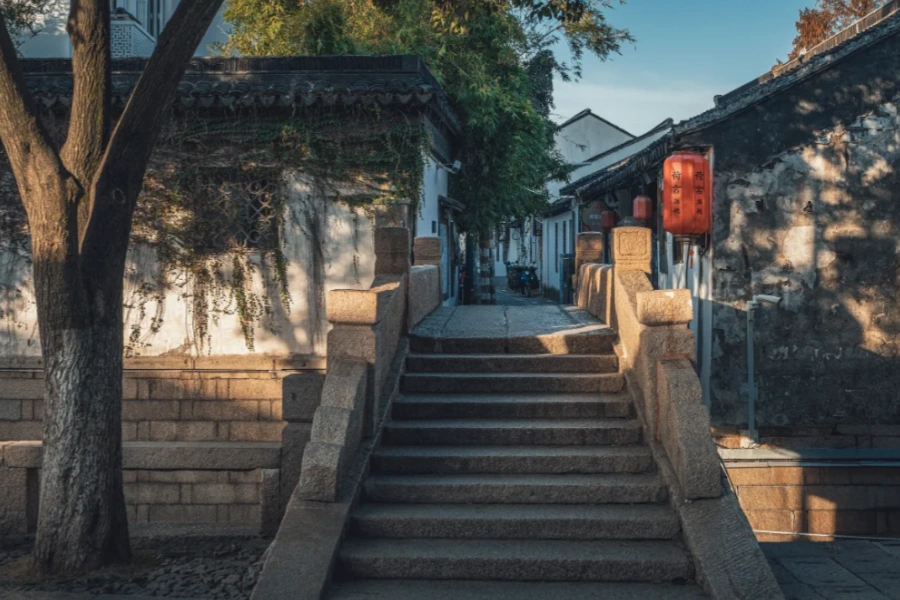
- Spanning less than two kilometers of river, more than a dozen ancient bridges of varying shapes and sizes span the waterway, such as Sipo Bridge, Shou'an Bridge, and Xuegao Bridge. Most of them are single-arch stone bridges, and their names are either derived from historical stories or convey auspicious meanings. Standing on any of these bridges and looking around, you'll find yourself in a stunningly beautiful scene.

Deep in the alleys: Former residences of celebrities and everyday life
- Zhongzhangjia Lane: It houses the Pingtan Museum and the Kunqu Opera Museum, making it a hall for appreciating Suzhou's intangible cultural heritage.
- Niujia Lane: Home to the Suzhou Zhuangyuan Museum (former residence of Pan Shi'en), witnessing the flourishing cultural heritage of Suzhou as the "hometown of Zhuangyuan".
- Xuanqiao Lane: The former residence of Hong Jun, a top scholar in the Qing Dynasty, and the legendary courtesan Sai Jinhua once lived here, making it full of stories.
- Daru Lane: Named after Wang Jingchen, a great Confucian scholar of the Ming Dynasty, who lived here, it reflects the profound cultural heritage of this place.
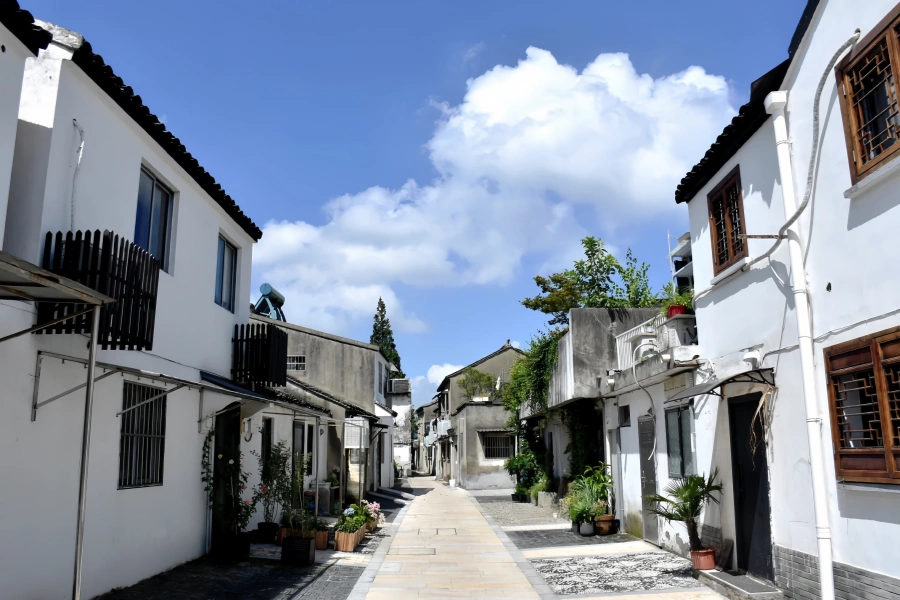
More importantly, a large number of local residents still live in these alleys. The clothes drying in the sun, the soft Wu dialect of conversation, and the aroma of food wafting out constitute the most authentic and touching background of life on Pingjiang Road.

Photography Tips:
The classic shooting position is on the "Huxiangshi Bridge," where you can simultaneously capture the river, the ancient bridge, the white walls and black tiles, and the rowing boats, resulting in the most perfect composition.
Humanistic documentary films can delve into the alleys on both sides, capturing scenes of residents' daily lives, making them more authentic and relatable.
The enchanting night view: As dusk settles, red lanterns are reflected in the river, and the warm lights on both banks create a perfect backdrop for capturing the shimmering beauty of the water with a slow shutter speed.

Core Experience: An Immersive Guide to the Suzhou-Style "Slow Life"

Furong Ancient Town Furong Ancient Town Furong Ancient Town

Five things you must do to unlock the full Pingjiang Road
1. Take a ride in a rowboat and become a figure in a painting.
- Key point: This is the soul of experiencing the charm of a water town. It is recommended to take the ride in the early morning or evening to avoid crowds and when the lighting is softer.
- Experience: Board the boat at a pier (such as near Baojili Bridge), and the route runs through the core section of the Pingjiang River. Listen to the sound of oars paddling through the water, watch the light and shadow move on the ancient walls, and if you are lucky enough to hear the boatwoman singing, the atmosphere will be fully immersive.
2. Visit a museum and touch a thousand-year-old cultural heritage.
- Suzhou Pingtan Museum/China Kunqu Opera Museum (Zhongzhangjia Lane): Not only should you see the exhibits, but you should also enjoy a live performance. There are usually small, free or low-priced performances in the afternoon. The soft Wu dialect and melodious tunes are a rare artistic treat.
- Suzhou Zhuangyuan Museum (Niujia Lane): Learn why Suzhou became the "Hometown of Zhuangyuan" and experience the ancient imperial examination culture and family traditions.
3. Stroll through a creative shop and encounter a blend of old and new.
- Art and Literature Bookstore: The "Cat's Sky City" concept bookstore is a landmark on Pingjiang Road, where you can send a postcard to the future.
- Design Studios: Scattered among these are many independent designers' cultural and creative shops, silk shops, and Suzhou embroidery studios, where you can find unique souvenirs.
- Niche cafes and teahouses: Many teahouses have waterfront seating, where you can while away the whole afternoon with a cup of Biluochun tea.
4. Try a bowl of street food and savor the flavors of Suzhou.
- Must-try snacks: braised chicken feet from Chicken Feet Corner, red bean paste dumplings from every nook and cranny, plum blossom cake from Meiyuexuan, and osmanthus wine which can be bought anywhere.
- Suzhou-style restaurants: There are many well-known old restaurants hidden inside and outside the neighborhood, where you can try classic dishes such as squirrel mandarin fish and braised eel in hot oil.
5. Explore an unnamed alley and discover an unexpected delight.
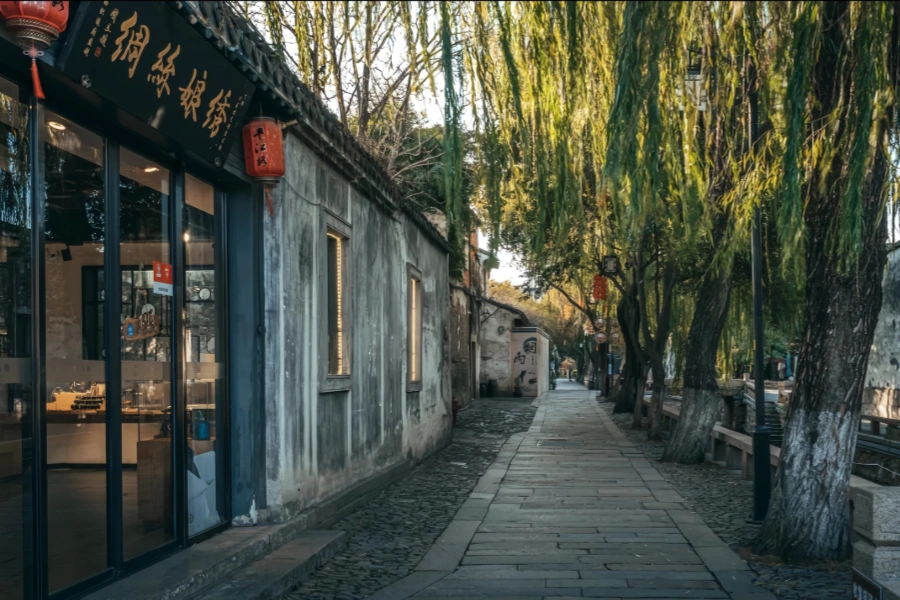
Abandon the map and randomly turn into a seemingly ordinary alley. It might lead to a suddenly open river wharf, an ancient courtyard wall covered in trumpet vines, or you might even encounter a lazy cat. The greatest charm of Pingjiang Road often lies in the uncertainties beyond the main street.

Suggested tour routes
Half-day "Highlights Stroll" tour (suitable for those with limited time):
Enter Pingjiang Road from the southern entrance at Ganjiang East Road → stroll slowly north along the main street, enjoying the riverside scenery and experiencing a traditional rowing boat ride (approximately 30 minutes) → turn into Zhongzhangjia Lane to visit the Pingtan/Kunqu Opera Museum → return to the main road and continue north, taking a break at the "Maokong" bookstore or a teahouse along the way → sample local snacks for lunch → end at the intersection of Baitadong Road. This route allows for a quick overview of the core features of Pingjiang Road.

One-day "In-Depth Tour" Online Tour (Highly Recommended):
- Morning: Focus on Pingjiang Road's main street and the alleys on its east side. Follow the "Highlights Stroll" route, but at a slower pace, allowing for in-depth exploration of former residences of famous figures such as Xuanqiao Alley and Niujia Alley.
- Lunch: Choose a Suzhou-style restaurant or snack shop on Pingjiang Road.
- Afternoon: Turn from the west side of Pingjiang Road into the "Humble Administrator's Garden - Suzhou Museum - Lion Grove Garden" prime area (approximately 10 minutes walk). First, visit the Suzhou Museum (a masterpiece by I.M. Pei, reservation required), then choose to visit either the Humble Administrator's Garden or the Lion Grove Garden, experiencing another pinnacle of Suzhou art.
- Evening: Return to Pingjiang Road, enjoy the night view, and have dinner at a riverside restaurant to end a perfect day.

IntoTravelChina's advantages: We can book the most suitable accommodations for you, arrange all the connections between activities, and provide detailed hiking route maps and safety guidelines.
Professional Guide: IntoTravelChina offers personalized itineraries, including a dedicated guide, transportation, and activity arrangements, ensuring a worry-free and in-depth travel experience. >> [Inquire Now for a Customized Itinerary]

Complete Travel Guide: Transportation, Seasons, and Accommodation

Furong Ancient Town

How to get there: A convenient way to explore the center of the ancient city
Pingjiang Road is located in the heart of Suzhou's ancient city and enjoys convenient transportation, but visitors should be aware of the traffic restrictions within the ancient city.
- Departing from Suzhou Railway Station/High-Speed ​​Rail North Station:
- Subway: Take subway line 4 to "Chayuanchang" station or "Beisita" station. After exiting the station, walk for about 10-15 minutes to reach the south entrance.
- By taxi/ride-hailing service: This is the most convenient option. You can set your destination to "Pingjiang Road Historical and Cultural District". Note that some sections of the ancient city have daytime traffic restrictions.
- Driving Tips: Driving to Pingjiang Road is strongly discouraged. Parking within the ancient city is extremely scarce and expensive. If you are driving, you can park in parking lots outside the ancient city (such as near Suzhou University or Xiangmen subway stations) and then take public transportation or a taxi to enter.

Best time to visit
Pingjiang Road is suitable for all seasons, but the climate and scenery are most comfortable and charming in spring and autumn.
- Spring and Autumn (March-May, September-November): The climate is mild with gentle breezes. In spring, willows sprout and magnolias bloom, full of vitality; in autumn, osmanthus blossoms fill the air with fragrance, and the sky is high and clear, making it the ideal season for a stroll.
- Summer sunrises and nights (June-August): The days are hot, but early morning (7-9 am) and nighttime are the best times to visit. Pingjiang Road is peaceful and refreshing in the early morning, and brightly lit at night with a cool river breeze.
- The tranquil winter season (December-February): Fewer tourists, and if it snows, the white walls and black tiles covered in snow resemble a traditional Chinese ink painting, possessing a unique charm. Remember to dress warmly.

Accommodation options
- Stay in the neighborhood (preferred choice for immersive experiences):
- Boutique cultural hotels/guesthouses on Pingjiang Road: Several boutique hotels and guesthouses converted from old houses are scattered throughout the area, such as "Pingjiang Huafu" and the "Hidden Residence" series. They are exquisitely designed, with views of small bridges and flowing water right outside the window, allowing you to truly experience the Suzhou-style life of "living by the river".
- Stay near Guanqian Street (convenient and bustling option):
Guanqian Street is a famous commercial street in Suzhou, just one street away from Pingjiang Road. There are many hotels to choose from, ranging from budget to high-end, and it is extremely convenient for eating, drinking and shopping. It is about a 5-10 minute walk to Pingjiang Road.
- Staying in other areas of the old city (a cost-effective and unique option):
- There are also plenty of accommodation options in Shantang Street, Shiquan Street and other areas, where you can experience the ancient city style of different areas. Pingjiang Road can be easily reached by subway or short taxi ride.

IntoTravelChina Accommodation Booking Recommendations:
> Boutique hotels along Pingjiang Road and in the surrounding area are very popular, especially on holidays and weekends. We recommend booking at least one month in advance. Booking through us not only secures priority access to sought-after waterfront rooms, but also allows you to package your accommodation with tickets to nearby attractions (such as the Humble Administrator's Garden and museums) and unique experiences (such as Suzhou storytelling performances and hand-rowed boat rides), making your Suzhou trip smooth and memorable. >> [Click to contact an IntoTravelChina travel consultant]

Extended Journey: In-depth Tour of Suzhou's Ancient City's "Double-Sided Embroidery"

Furong Ancient Town

Pingjiang Road represents the "refined" side of Suzhou and can be combined with Shantang Street, which represents "prosperity," to form a perfect loop for touring the ancient city.

- A one-day tour of Suzhou's "Double-Sided Embroidery": Pingjiang Road (artistic and elegant) → Humble Administrator's Garden/Suzhou Museum (garden art) → Shantang Street (bustling street life, especially beautiful at night). Experience both the classical and modern, tranquil and lively sides of Suzhou in one day.
- Two-Day In-Depth Cultural and Intangible Cultural Heritage Itinerary: Day 1: Pingjiang Road (morning stroll, afternoon Pingtan performance) → China Kunqu Opera Museum (learn about the history of Kunqu Opera) → Couple's Garden (a charming garden for lovers, located at the northern end of Pingjiang Road). Day 2: Suzhou Embroidery Research Institute or Suzhou Silk Museum (experience Suzhou embroidery/silk craftsmanship) → Tiger Hill ("the No. 1 scenic spot in Wuzhong") → Night cruise on the ancient Grand Canal.
- A combined tour of ancient water towns in Jiangnan: Connecting Pingjiang Road in Suzhou's ancient city with Zhouzhuang, Tongli, or Luzhi ancient towns outside the city, comparing the different styles of "water lanes in the city" and "waterways in ancient towns".>>Contact us to customize the above related itinerary

Join hands with IntoTravelChina to start your elegant roaming in Gusu

Furong Ancient Town

The story of Pingjiang Road is about the immortal pattern of a thousand-year-old city, the cultural blood flowing in market life, and how tradition grows elegantly in the present. IntoTravelChina focuses on creating a deep, personal, and hassle-free Chinese cultural travel experience. Our travel experts can help you:
- Tailor-made itinerary: Design cultural walks, food explorations, or intangible cultural heritage tours around Pingjiang Road and Suzhou's ancient city according to your interests and time.
- One-stop service: Get special waterfront accommodation, popular museum reservations, rowing boat experience, and reservations at authentic Subang restaurants.
- Exclusive experience: Arrange interaction with intangible cultural heritage inheritors, in-depth explanation of the old street, and a photo guide of Pingjiang Road that is unmanned in the early morning.

Let your trip to Pingjiang Road not only check in and take photos, but also a dialogue with the ancient soul of Suzhou and an immersive aesthetic experience of Jiangnan life.
> Start planning your journey today
> Welcome to contact our professional travel consultants, we will provide you with an exclusive itinerary plan and quotation within 24 hours. >> [Click to contact IntoTravelChina Travel Consultant]

Recommended Tours

Top 3 tours chosen by most customers to explore in the best way. Check the detailed itinerary, or tailor your own trip now with us.

Zhangjiajie Tour
5-Day Suzhou & Hangzhou & Shanghai Tour

5 Days  |  Shanghai-Xitang-Suzhou-Hangzhou

Zhangjiajie Tour
3-Day Shanghai to Suzhou Trip

3 Days  |  Shanghai-Xitang Ancient Town-Suzhou

Zhangjiajie Tour
4-Day Shanghai and Nanjing Trip

4 Days  |  Shanghai-Nanjing

What Our Clients Say?

Based on 10,000+ traveler reviews

...
Daniel Dorothea
Canada
Reviewed on April 29,2025
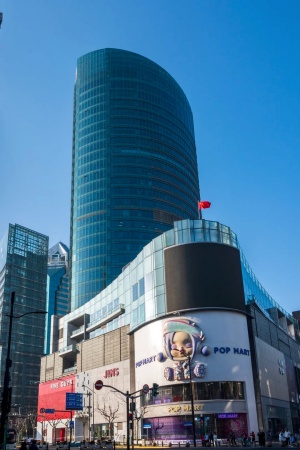
Shopping on Nanjing Road in Shanghai was just amazing! It's truly the "First Commercial Street of China", where tradition and modernity blend perfectly. You can find awesome souvenirs and experience the trendy vibes in cool stores. The neon lights at night are just spectacular, shining bright like Times Square in New York. The food here is incredible too. I had a feast for my taste buds. Shanghai, I'll definitely be back!
Destination(s): Shanghai
Date of Experience: May 08,2024
...
...
Elvis Eva
Canada
Reviewed on June 20,2025
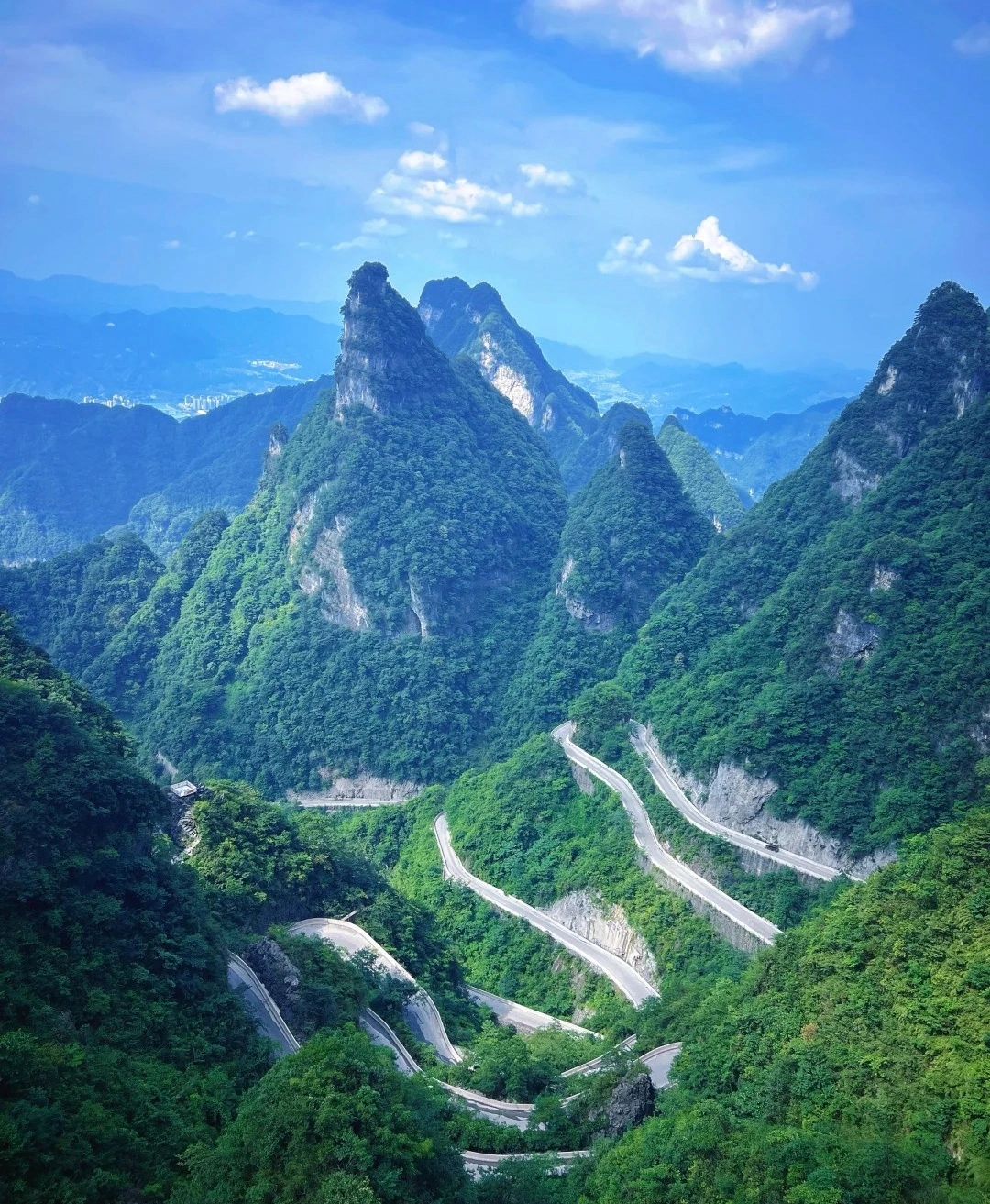
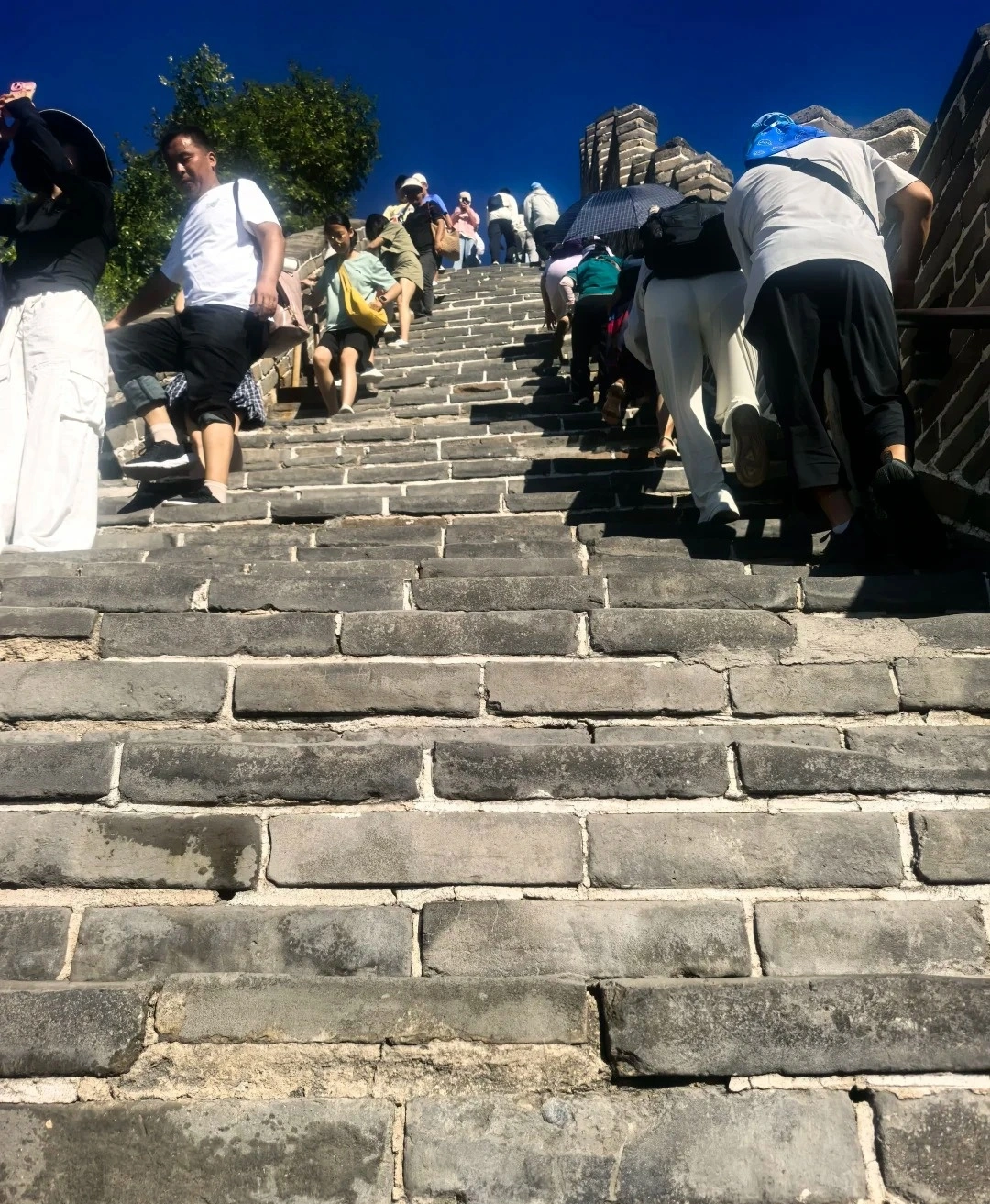
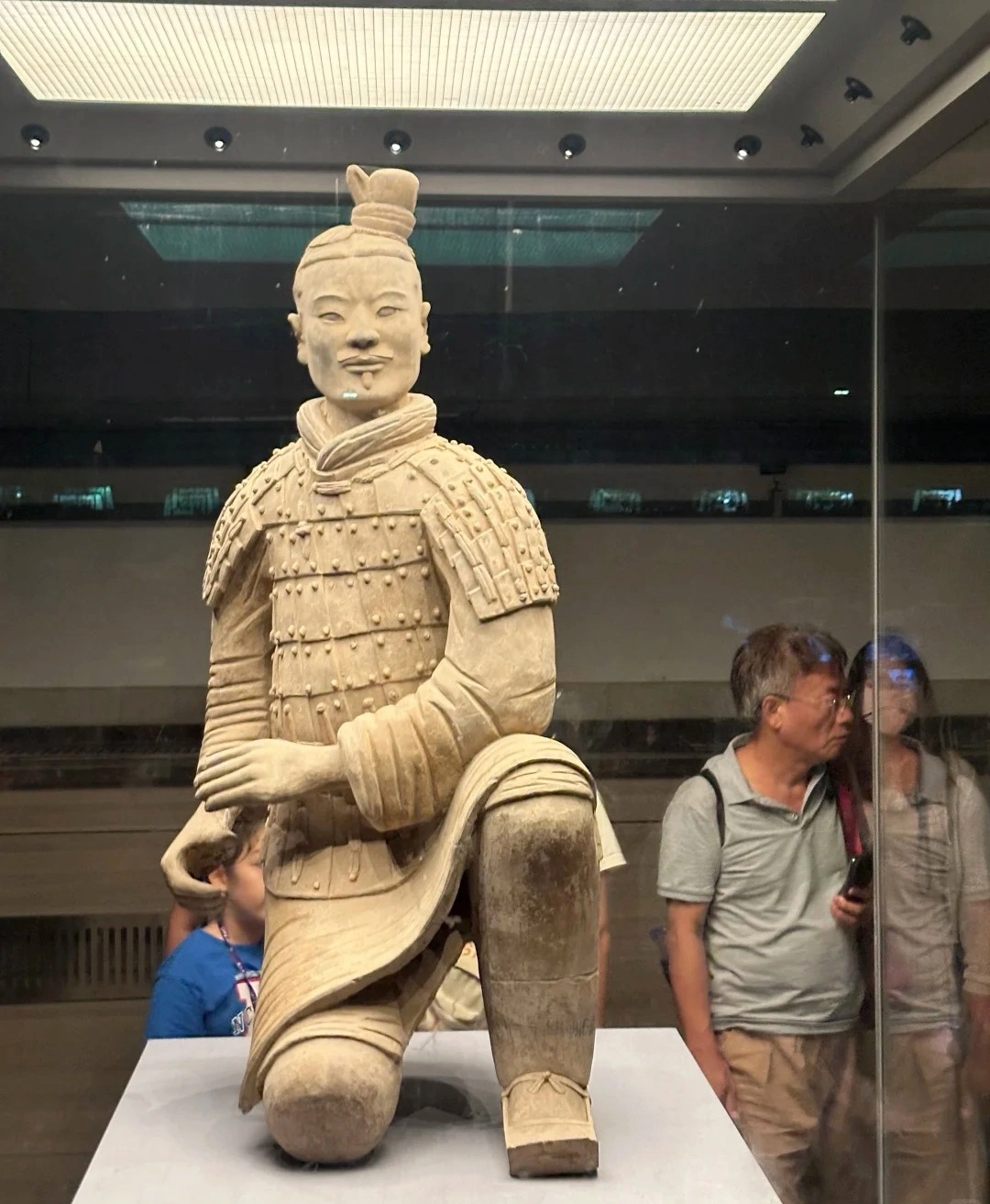
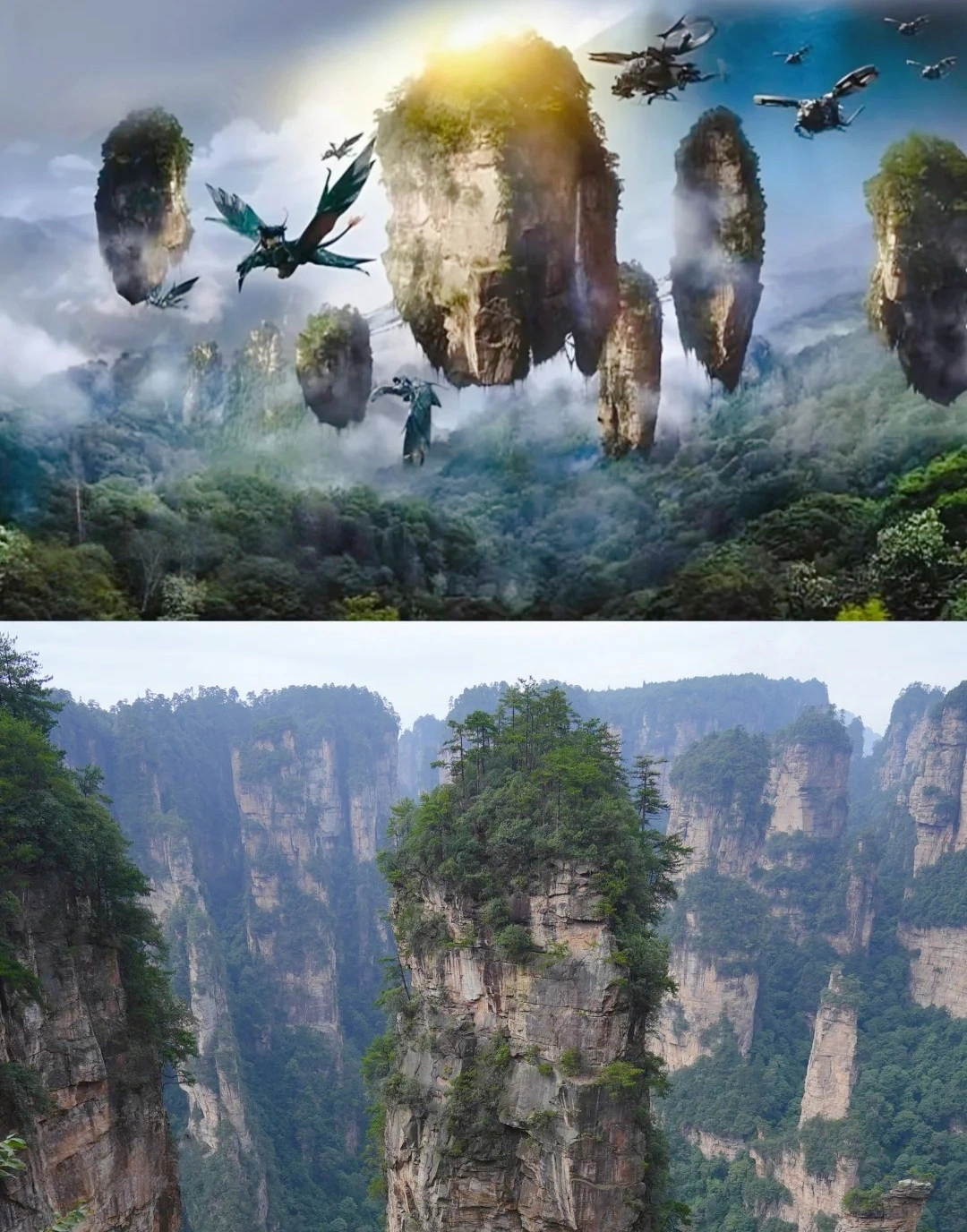
As a solo traveler from Canada, I was nervous about navigating China alone—but this 11-day tour was PERFECT! From hiking the Great Wall at sunrise (Day 3) to gasping at the Terracotta Army (Day 5), every day delivered ‘pinch-me’ moments. The real showstopper? Zhangjiajie’s Avatar Mountains (Day 7)! Our guide made the stone pillars come alive with stories. Massive thanks for handling all logistics—bullet train tickets, entry passes, car! And the 4-star hotels surprised me.
Destination(s): Beijing Xian Zhangjiajie Shanghai
Date of Experience: June 02,2025
... ... ...
...
Simon
America
Reviewed on May 29,2025
Our 2-day Zhangjiajie tour was beyond spectacular! As someone who’s visited Beijing and Shanghai for work, this trip revealed China’s wild, magical heart. Day 1 in Zhangjiajie National Forest Park felt like stepping onto Pandora—I’m a huge Avatar fan, and Yuanjiajie’s floating peaks left me breathless. The misty pillars and lush valleys like pure movie magic! Then came Fenghuang Ancient Town, we eat dinner beside the thundering waterfall. It seems Unreal! The night views of stilt houses glowing over the river were straight from a fairy tale. For fellow Avatar lovers and adventure seekers: Don’t miss this bucket-list experience! 10/10 would return. A Well-Traveled Film Buff, May 2025
Destination(s): Zhangjiajie
Date of Experience: May 08,2025
... ...

Ask a Question

Question Summary (100 characters)
Details (optional) (2,000 characters)
Name
Country
Email