The Charm of Nature – A Tranquil View from the City Walls
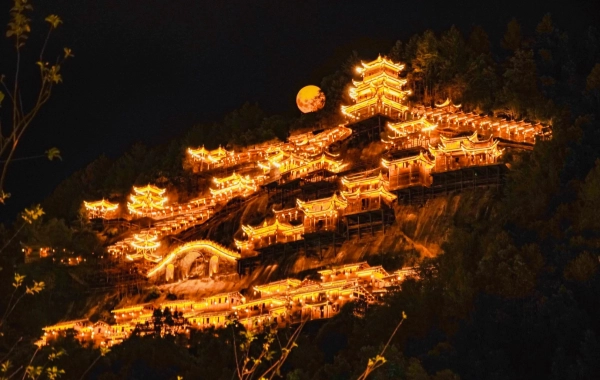
The "natural" scenery of Wanfo Pavilion benefits from its unique, elevated location, offering a tranquil perspective for appreciating the ancient town's landscape.
Ancient city walls and old town scenery
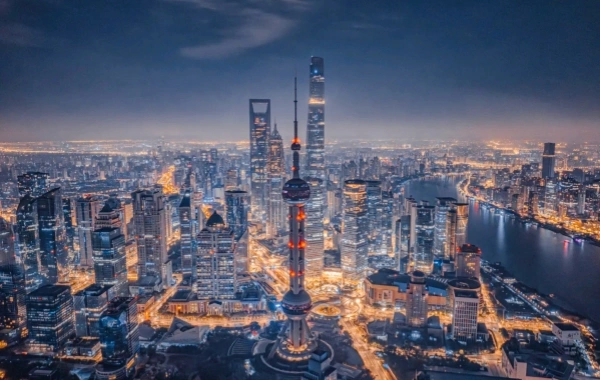
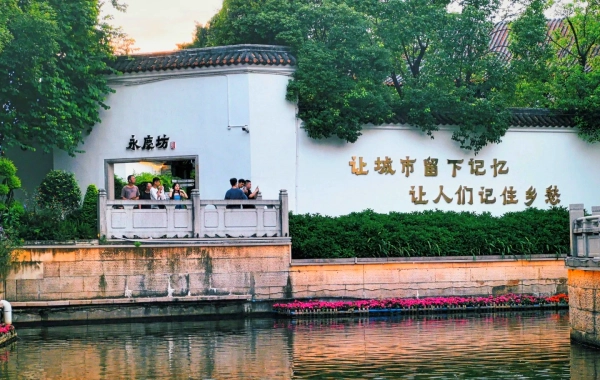
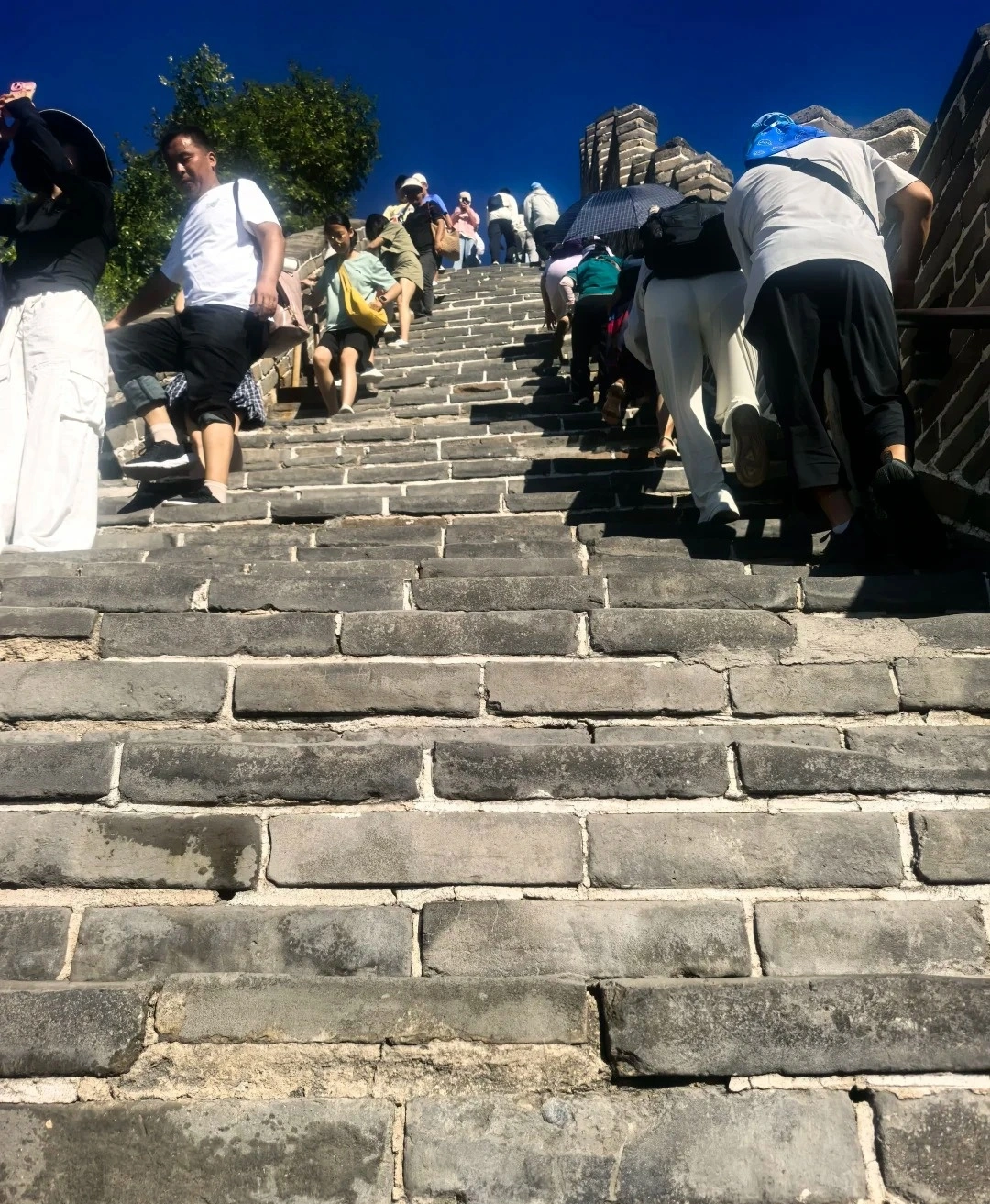
The temple is situated atop the ruins of the ancient city wall at the North Gate of Fengcheng. Climbing the Buddhist pavilion or the city wall walkway offers panoramic views of the old town's streets and rooftops, with the skyline of Fengxian New City visible in the distance. The contrast between the past and present creates a breathtaking vista. The lush vegetation on both sides of the city wall adds a touch of gentle vitality to the weighty historical site.
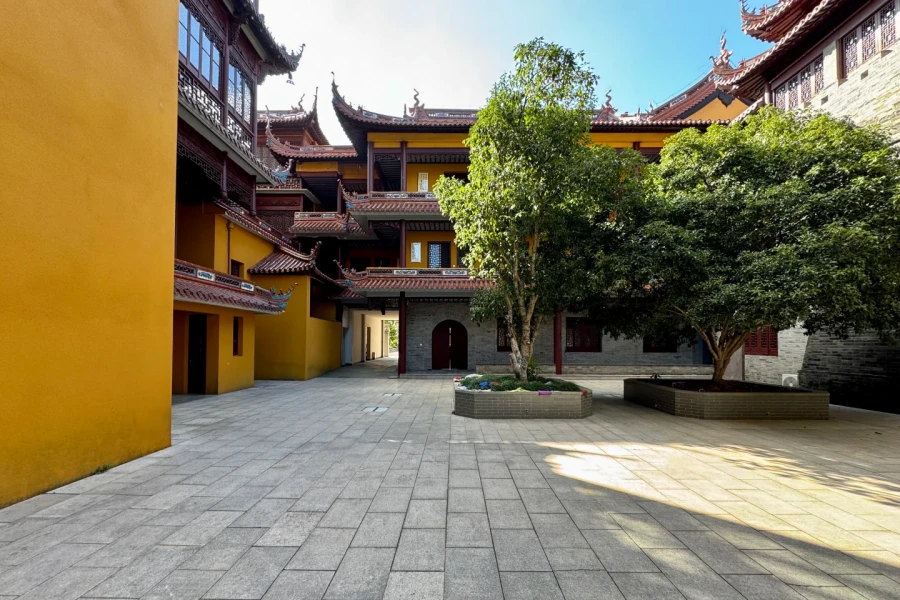
The courtyard is quiet and secluded
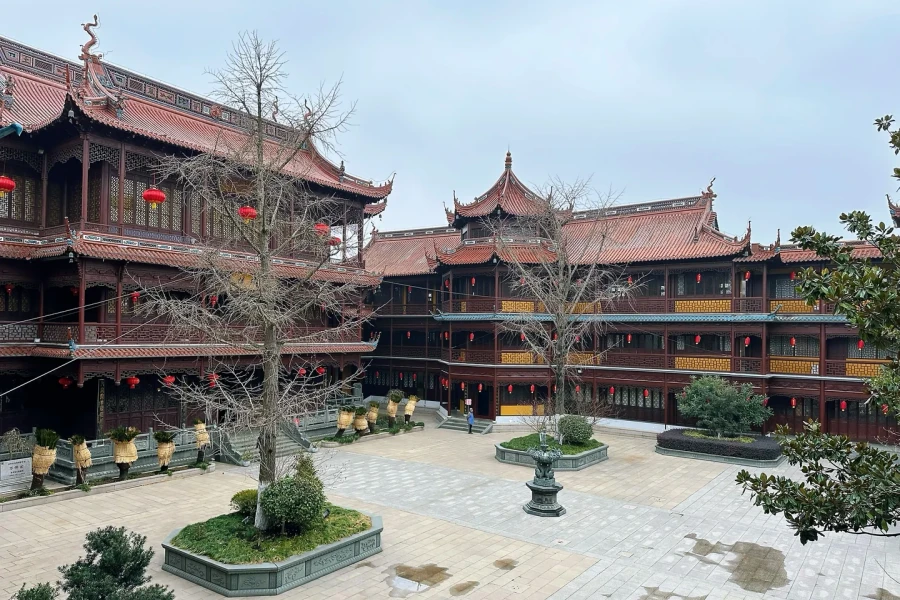
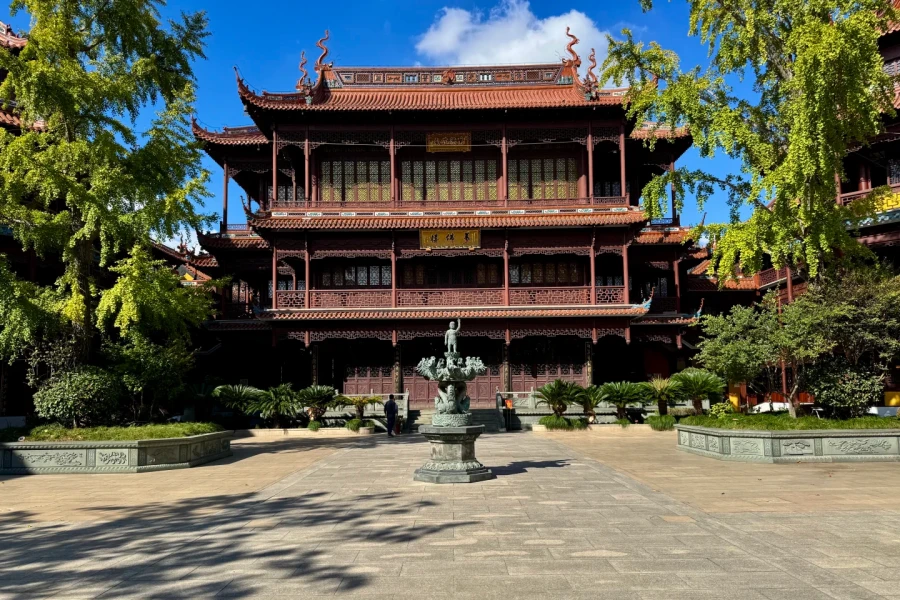
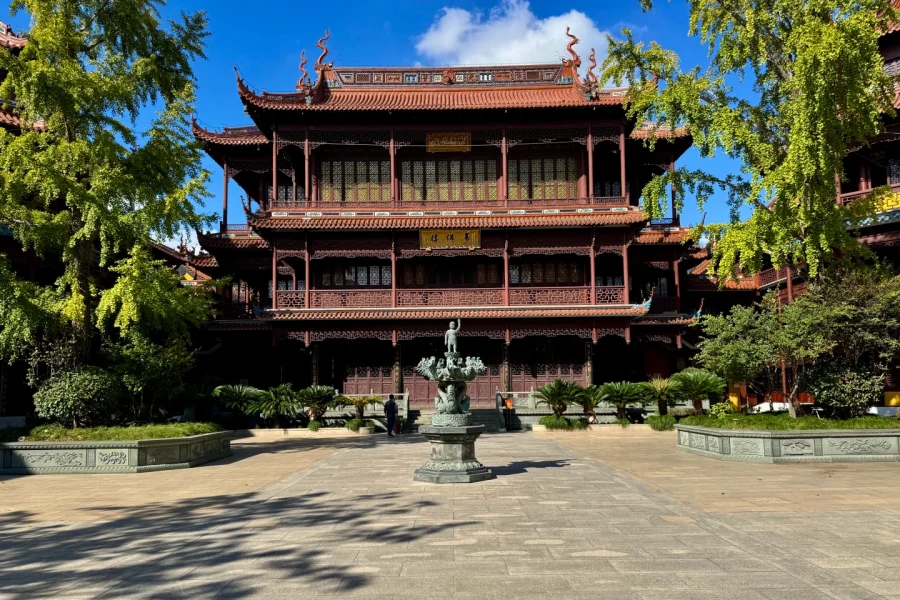
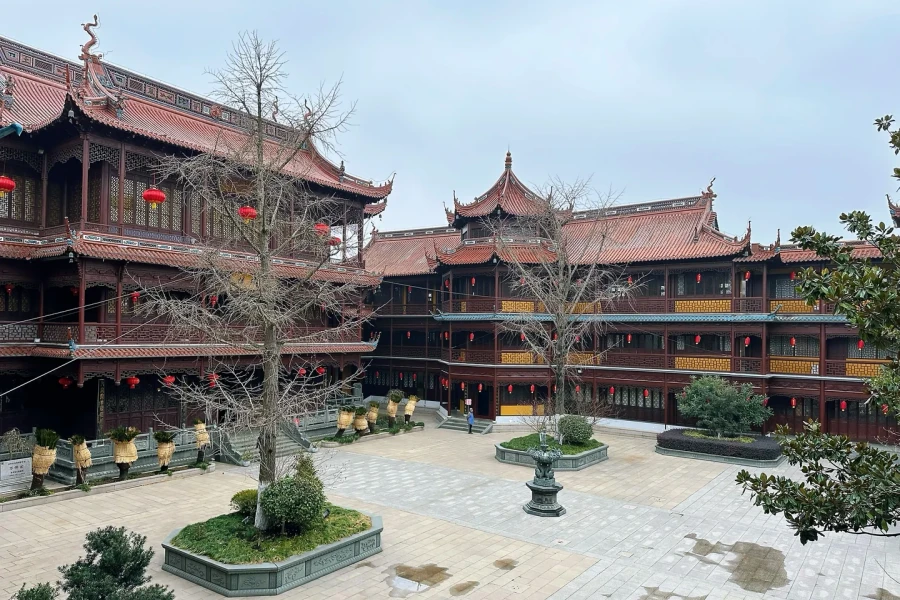
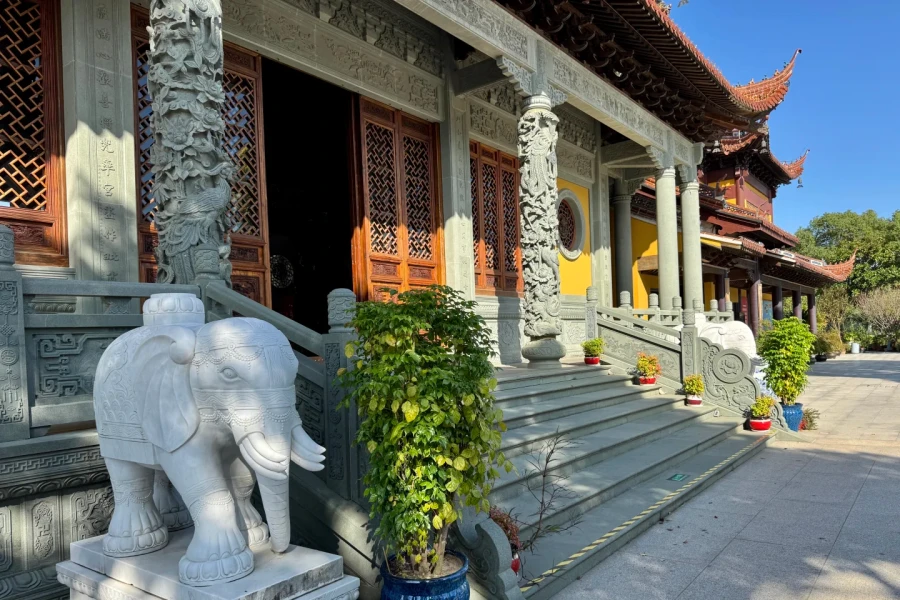
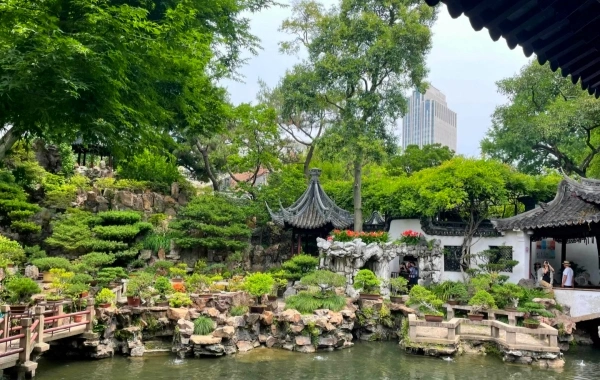
Despite its renowned architectural wonders, the temple grounds still feature tranquil courtyards. Ancient trees, incense burners, and stone benches dot the landscape, providing worshippers and visitors with a secluded space for quiet contemplation.
Humanistic craftsmanship – the integration of city walls and pavilions with the vastness of the golden Buddha
The buildings themselves are the largest cultural relics, while the interior of the temple is the most breathtaking interpretation of the temple's name.
The architectural marvel of the city and pavilions
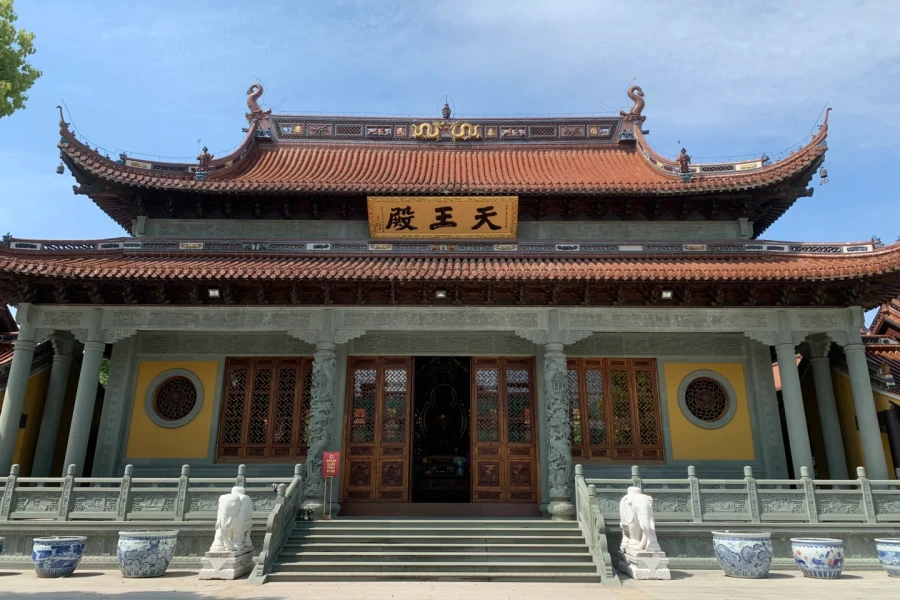
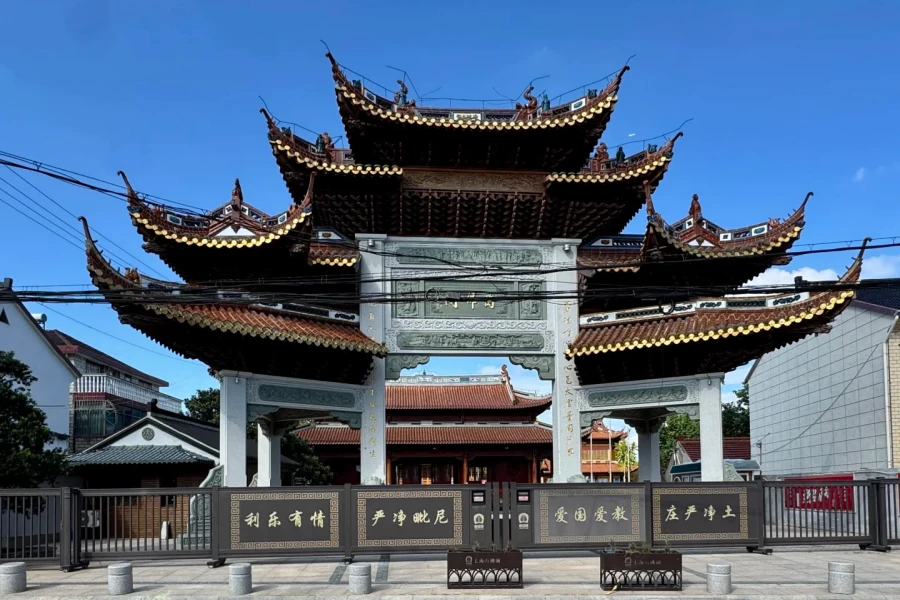
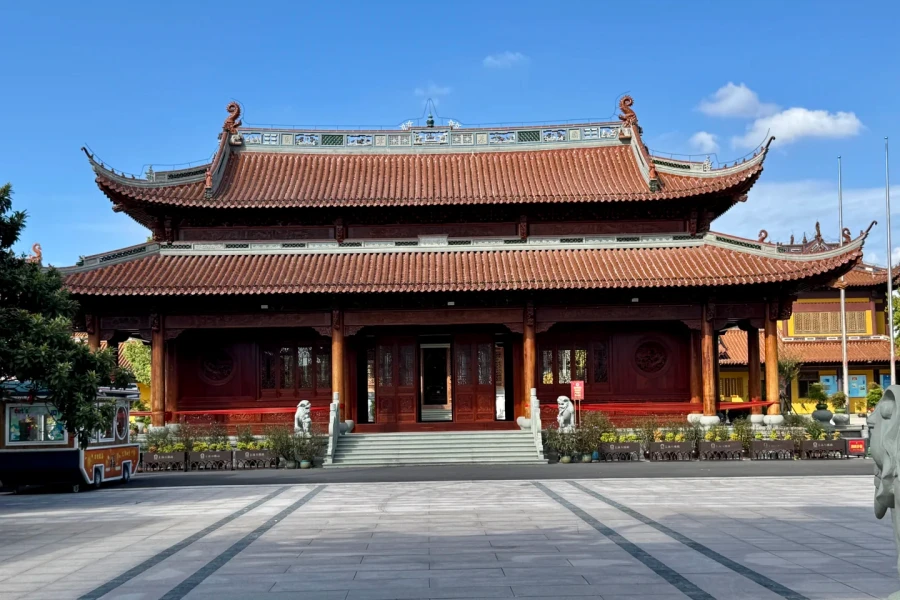
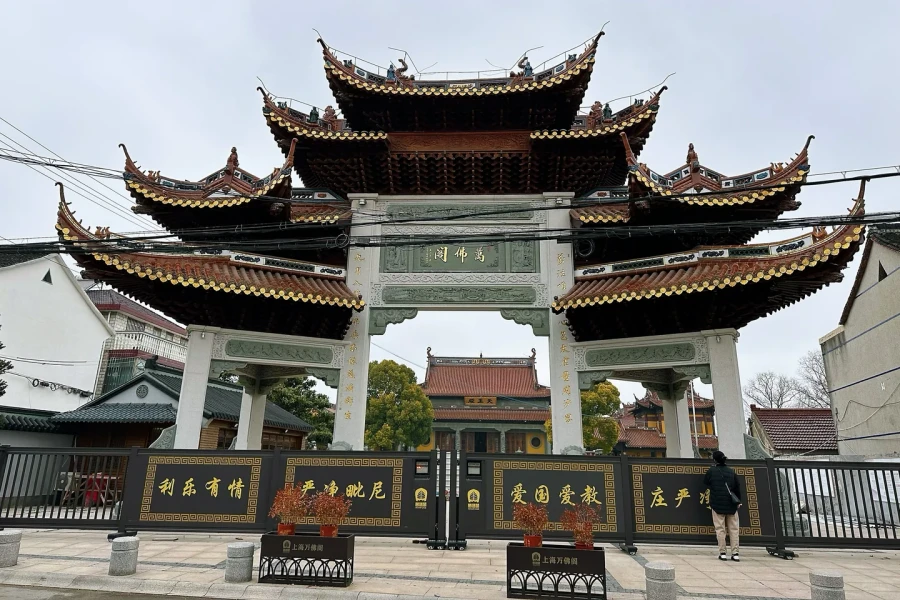
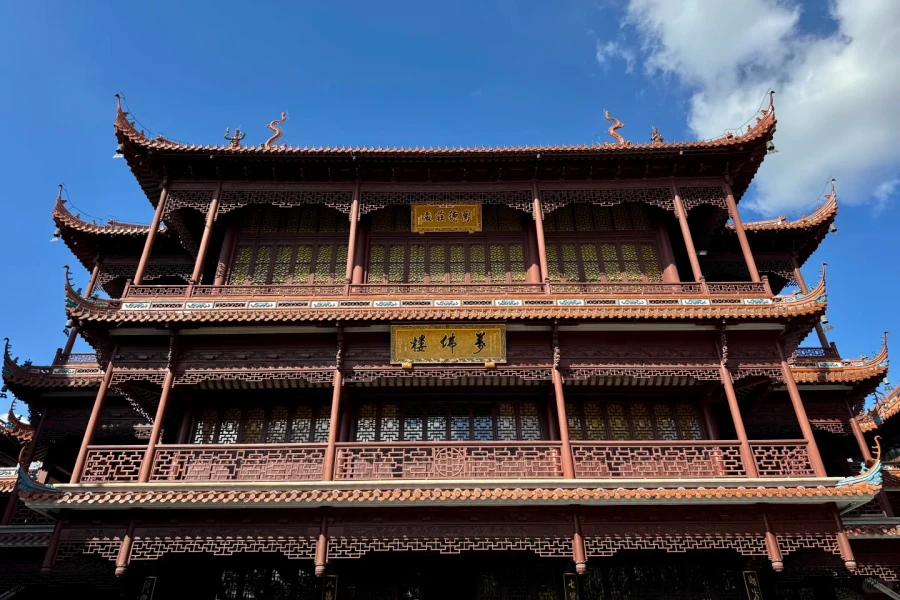
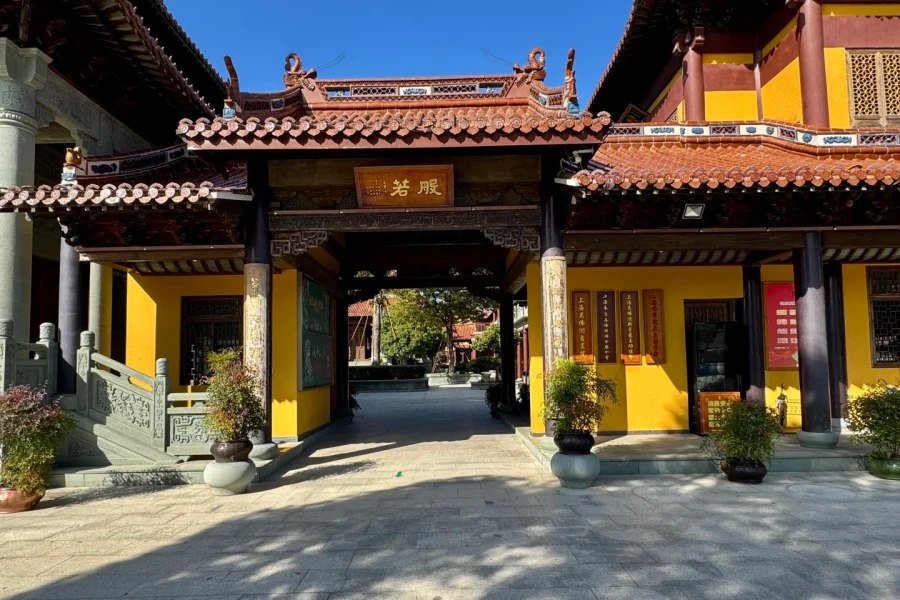
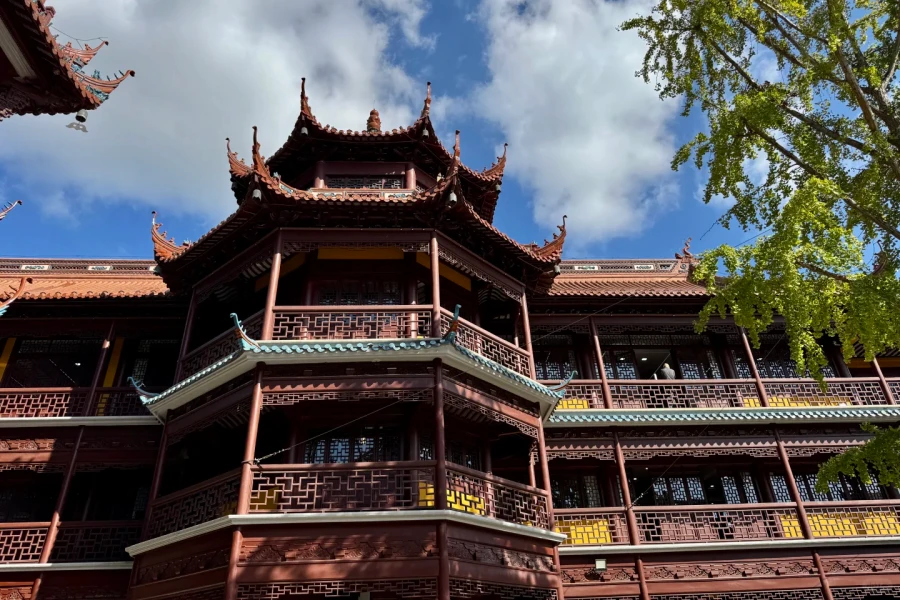
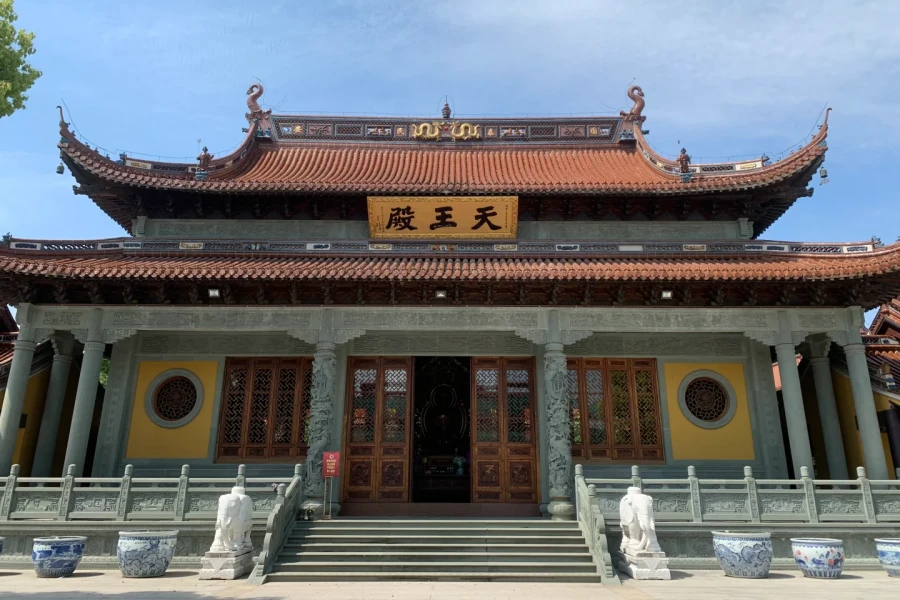
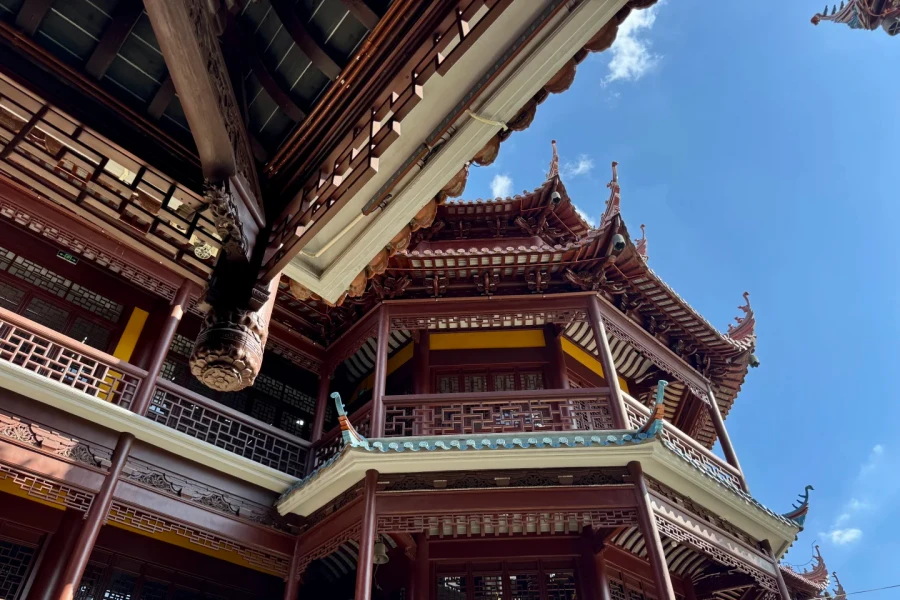
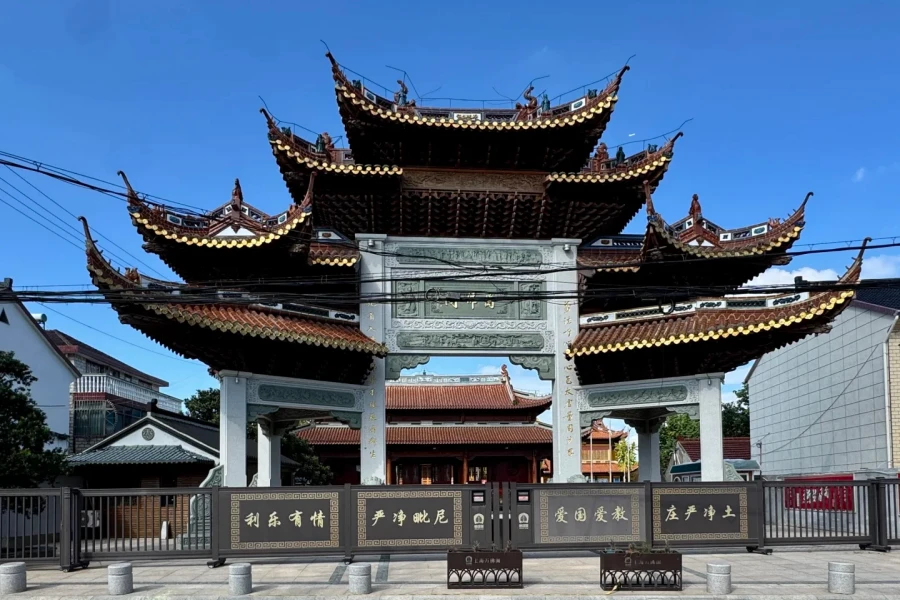
This is the most fundamental unique feature of Wanfo Pavilion. The main buildings of the temple, such as the mountain gate, the Hall of Heavenly Kings, and the Great Buddha Hall, do not rise from the ground, but are cleverly built upon and span the ancient brick and stone city walls. When visitors pass through the mountain gate, it is as if they are passing through the ancient city gate; when strolling through the halls, they are walking on the rammed earth of the city walls from hundreds of years ago. This symbiotic relationship between "architecture and ruins" is extremely rare among temples in China.
The visually stunning "Ten Thousand Buddhas Paying Homage" in the main hall
Inside the Mahavira Hall (or the dedicated Hall of Ten Thousand Buddhas), it is truly a world of "ten thousand Buddhas." The surrounding walls are densely covered with countless small niches, each containing a gilded bronze Buddha statue. Though small, the statues are exquisitely carved and arranged neatly. When the lights in the hall are turned on, the ten thousand golden Buddhas shine brilliantly, creating a magnificent and solemn scene of "ten thousand Buddhas paying homage," a powerful visual and spiritual impact.
Ancient city wall ruins
The temple itself is a "living" museum of the city wall. During the visit, you can clearly see the exposed bricks and stones of the Ming Dynasty city wall, the remains of the barbican structure, and the majestic scale of the ancient city wall, and feel the tangible warmth of history.
Photography Tips:
Architectural panoramic view: On the open ground opposite the temple, take a panoramic view of the Wanfo Pavilion standing majestically on the ancient city wall, highlighting its unique "pavilion on the city wall" form.
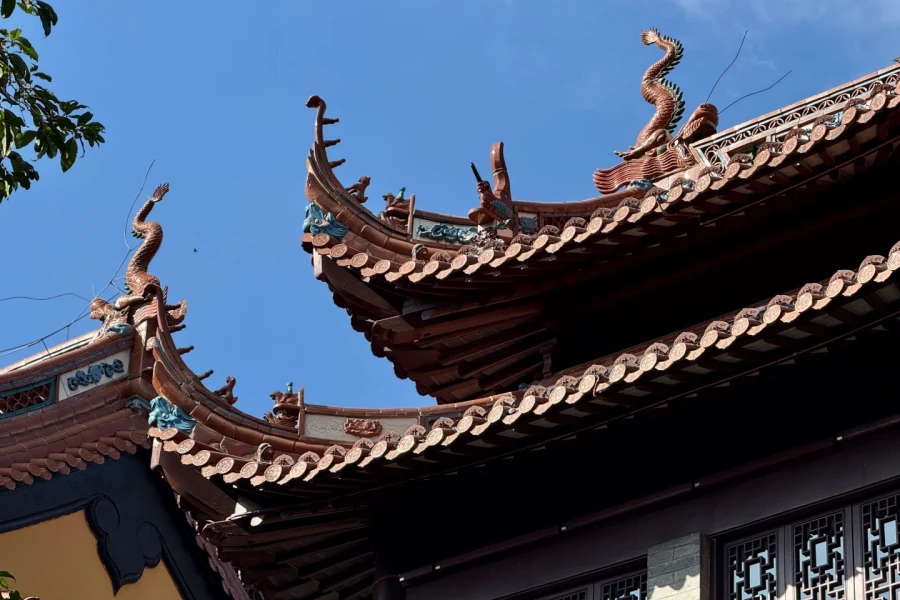
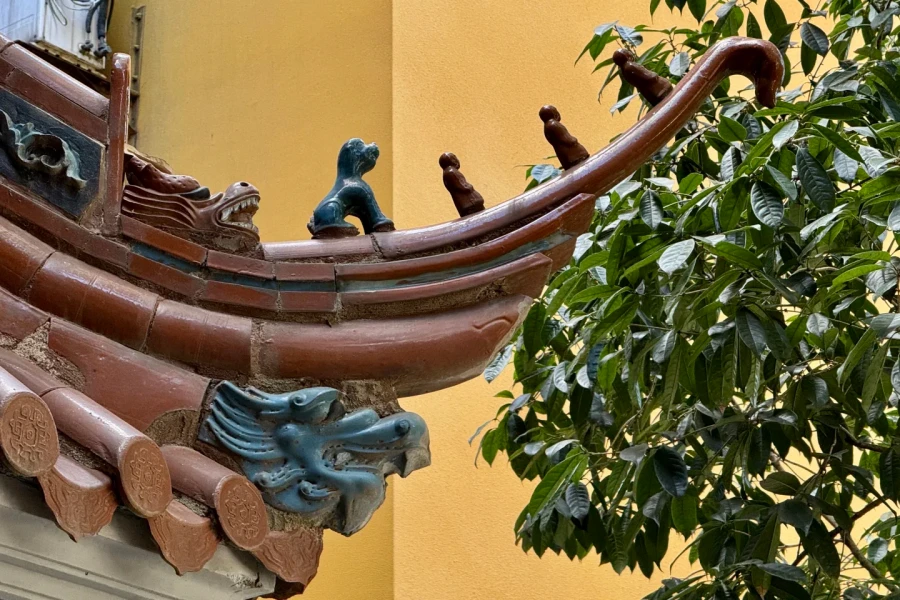
City Wall Perspective: Climb the city wall walkway and use the upturned eaves of the temple as the foreground to photograph the old town of Fengcheng in the background.
Indoor lighting: Provided permission is granted and flash photography is not used (temple regulations must be strictly followed), you can photograph the magnificent array of ten thousand golden Buddhas in the main hall under natural or artificial light, utilizing the sense of depth in the composition.
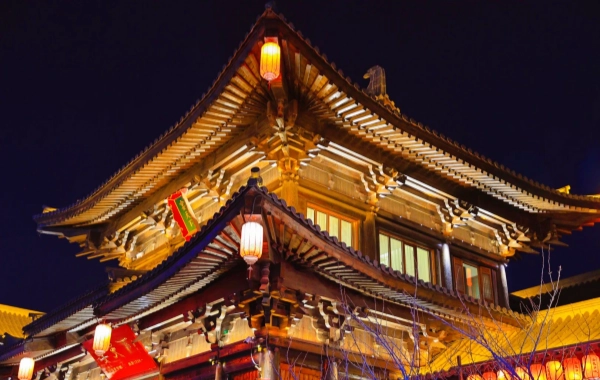
Close-up details: Focusing on historical details such as the texture of ancient city wall bricks and stones, the wooden brackets of palaces, and the exquisite stone column bases.