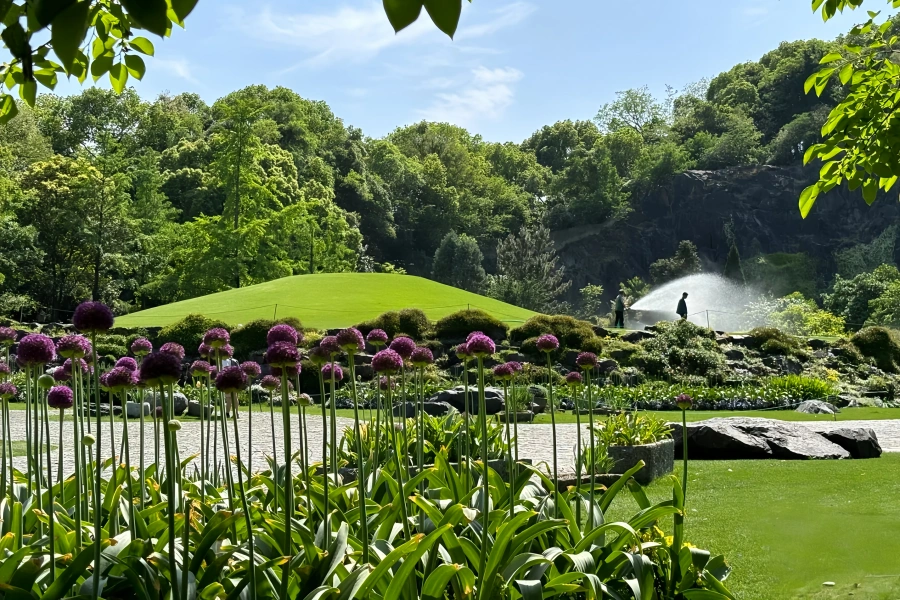
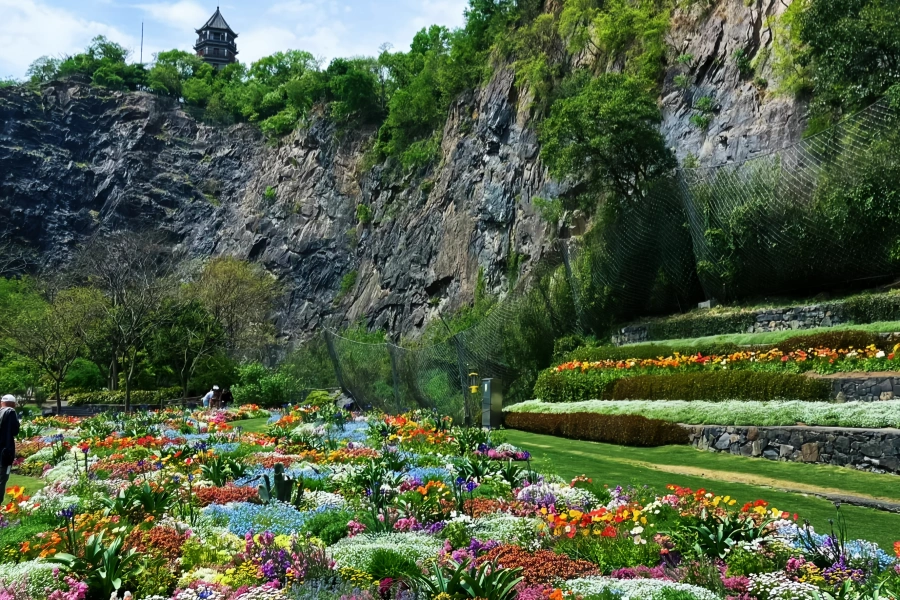
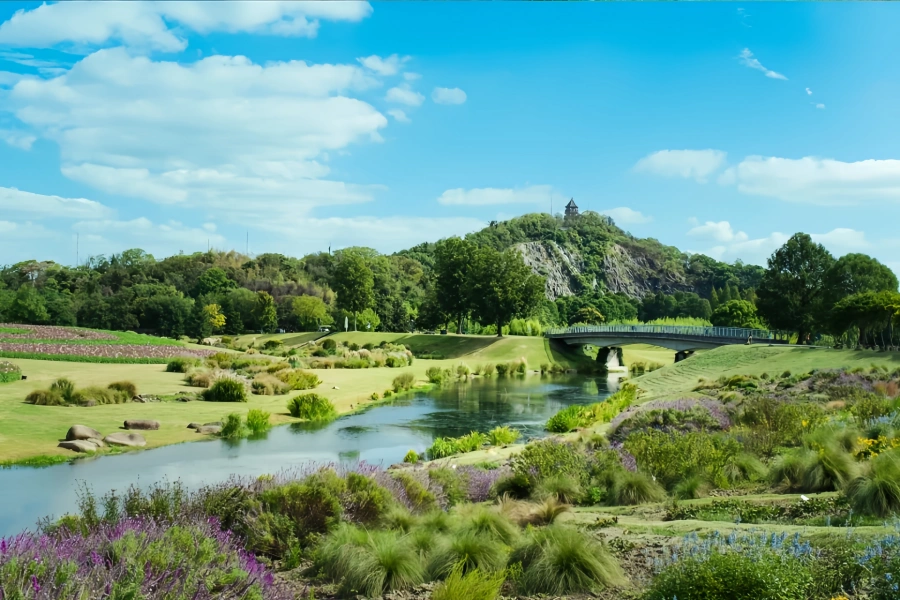
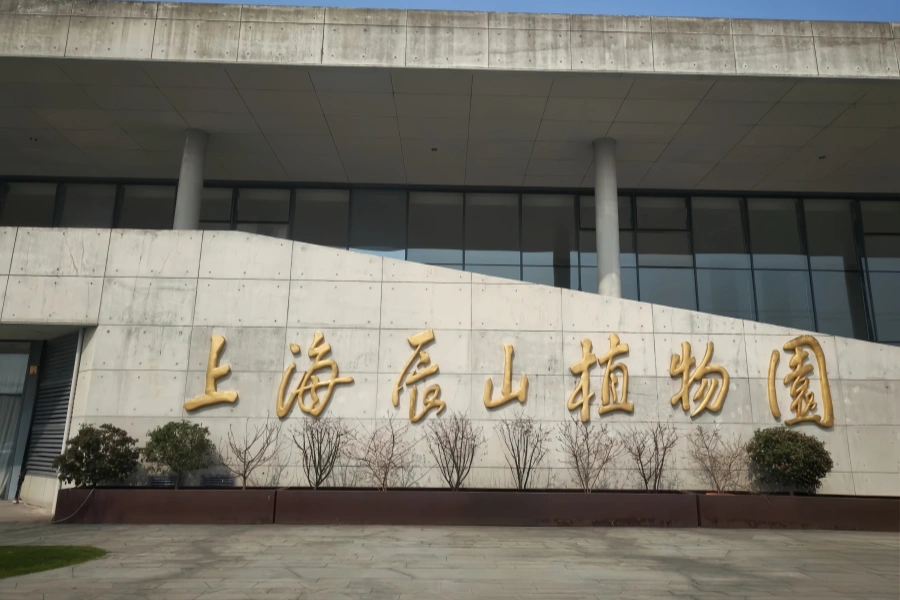
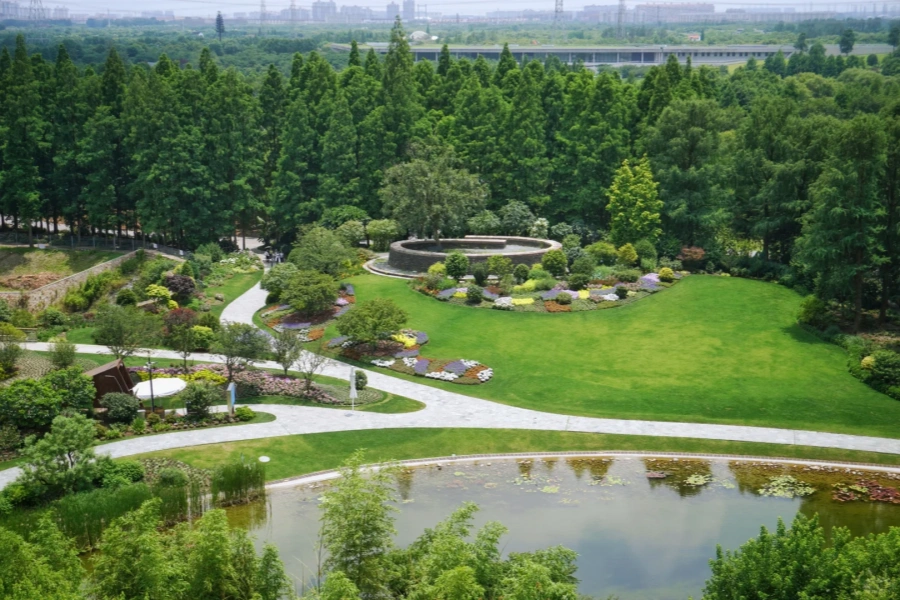
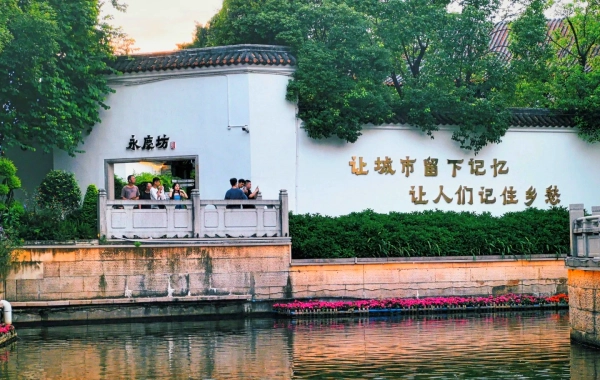
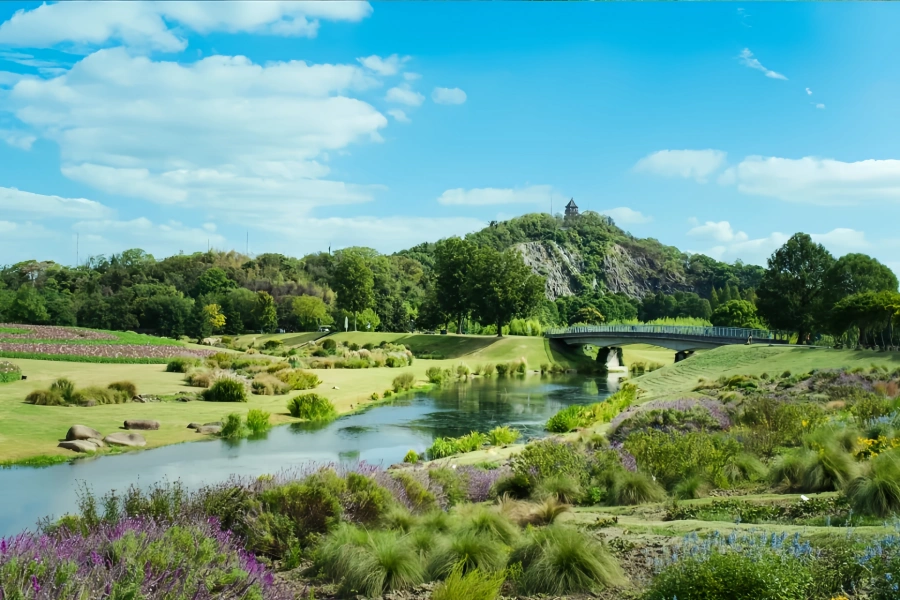
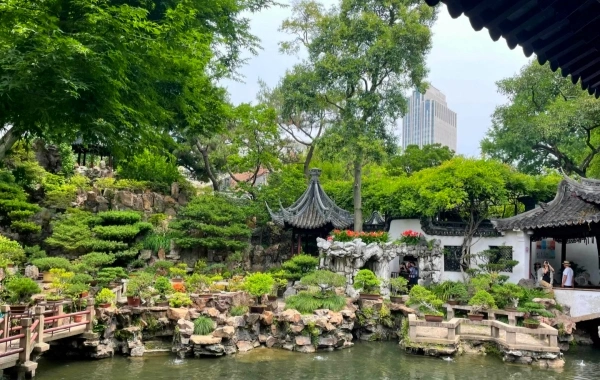
The awe-inspiring aspect of Chenshan Botanical Garden lies in its magnificent plant collection and ingenious landscape design.
Nature's Creation—A Miniature Universe of Global Plants
This place brings together more than 10,000 species (including varieties) of plants from all over the world, making it a living plant museum.
- Three major exhibition greenhouse complexes: These are the landmark buildings of the park, consisting of the Tropical Flower and Fruit Pavilion, the Desert Plant Pavilion, and the Rare Plant Pavilion, shaped like three giant pearls inlaid on a green carpet.
- Tropical Flower and Fruit Pavilion: Creates a tropical rainforest and monsoon forest landscape, with waterfalls, mist, buttress root plants, and rooftop gardens, instantly transporting visitors to a secret rainforest paradise.
- Desert Plant Pavilion: It houses thousands of cacti and succulents, each with a unique shape and full of vitality, making it an excellent backdrop for photography enthusiasts.
- Rare Plants Pavilion: This pavilion showcases carnivorous plants, ferns, orchids, and other plants that are sensitive to their environment and have unique shapes, offering plenty of opportunities for exploration.
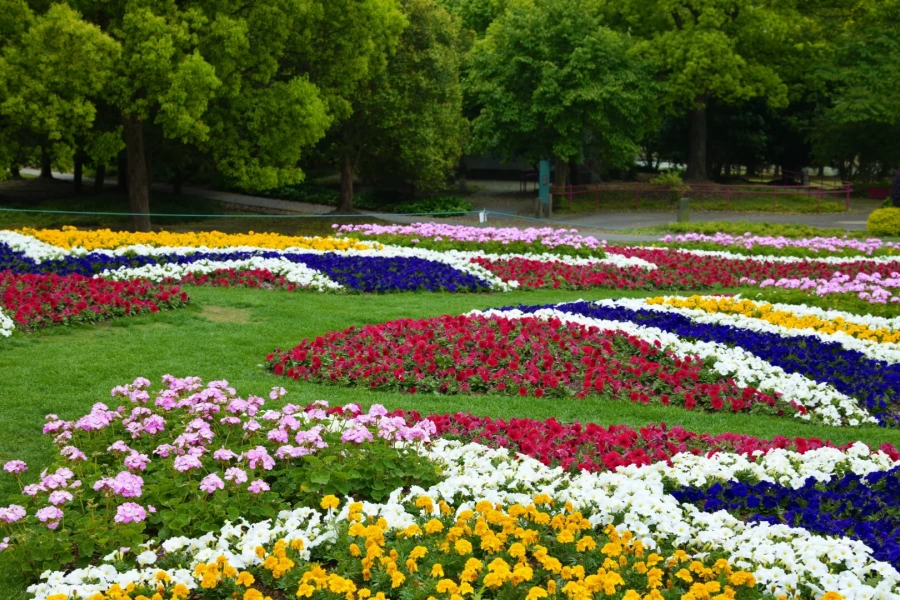
- Specialized plant gardens: Outdoor areas are carefully arranged according to plant classification and ecological habits.
- Rose Garden: In spring and autumn, the kilometer-long rose wall blooms in full glory, making it a famous romantic spot for taking photos in Shanghai.
- Aquatic Botanical Garden: In summer, lotus flowers and water lilies bloom in profusion, creating a picturesque scene.
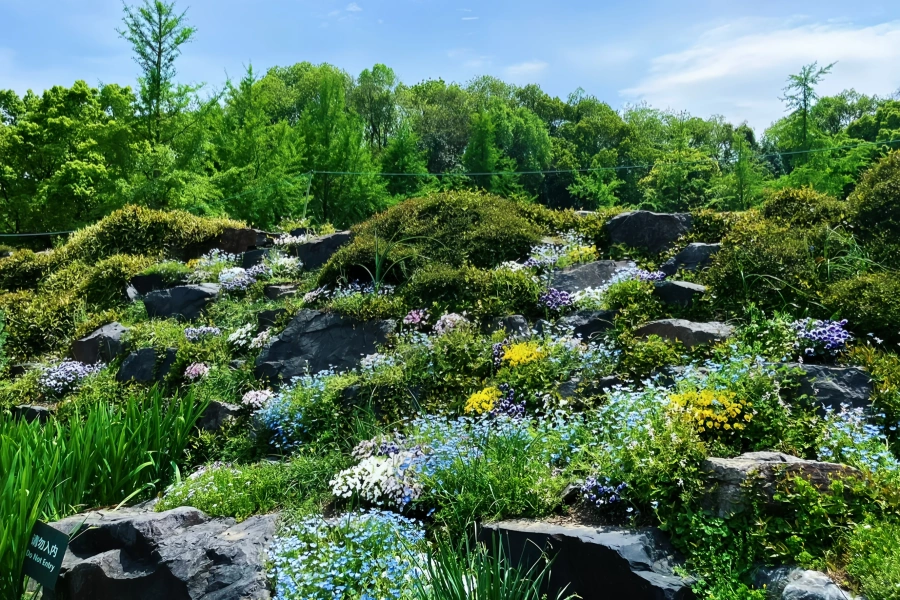
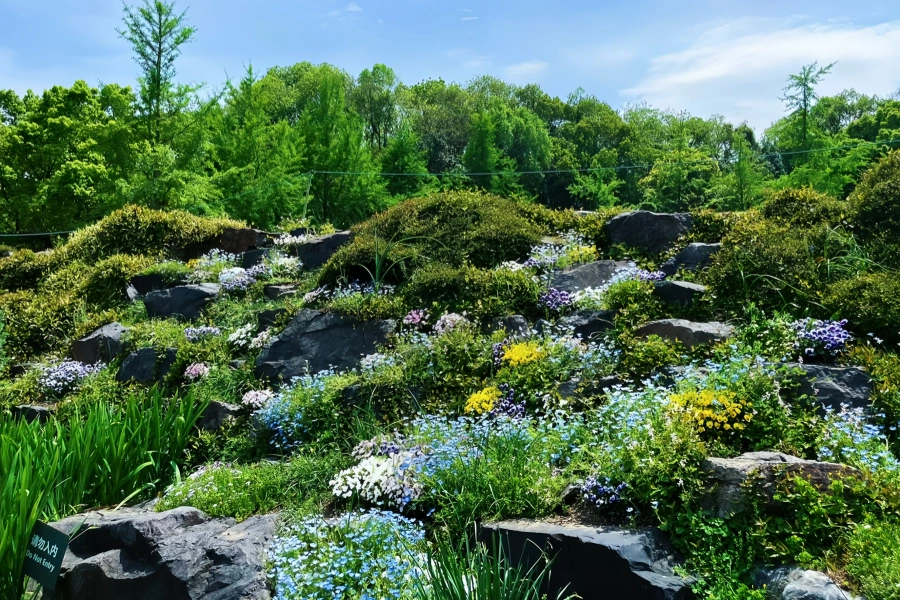
- The Rock and Medicinal Botanical Garden, the Blind Garden, and others each have their own unique features to satisfy visitors with different interests.
- East China Botanical Conservation Core: As its core mission, the park systematically collects and displays native plants of East China, serving as an important window for understanding local plant diversity.
Humanistic Ingenuity: Artistic Rebirth from Mine Ruins
If greenhouses and specialized gardens embody the systematic nature of science, then quarry gardens showcase the pinnacle of art and ecological philosophy.
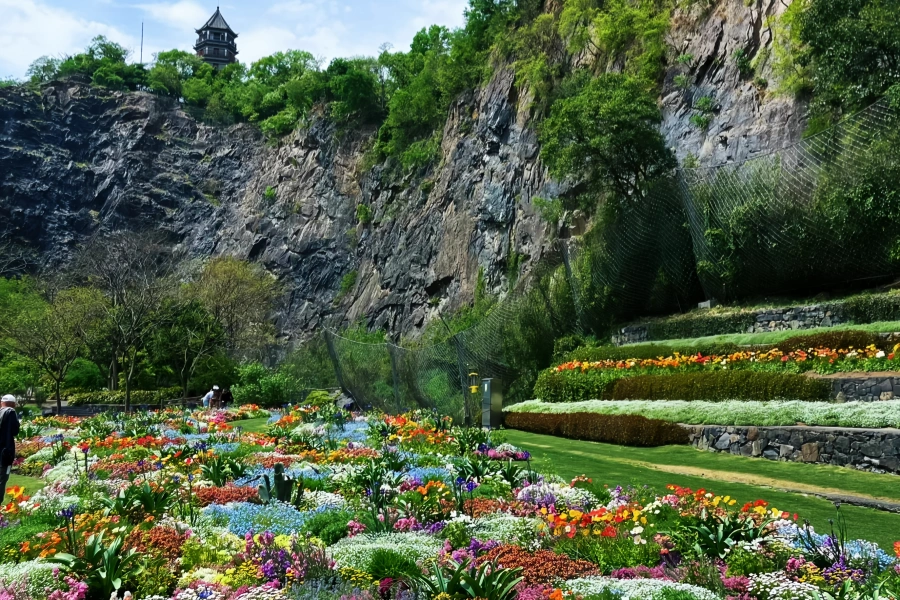
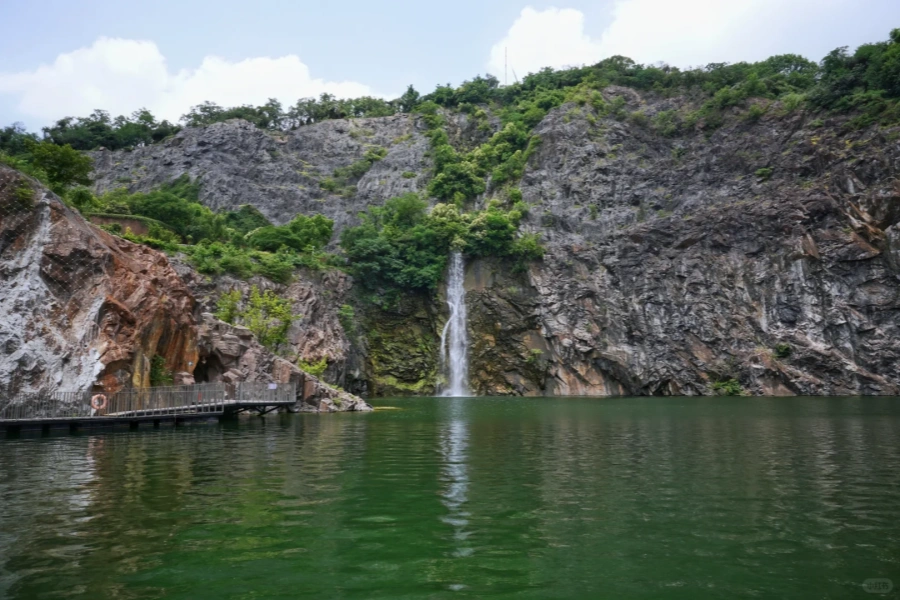
- The Mine Pit Garden: A Swan Song on a Scar: This is the soul of Chenshan Botanical Garden. Utilizing the mine pit's cliffs, deep pools, and abandoned terraces, the designers meticulously arranged waterfalls, floating bridges, boardwalks, and a mirror-like lake to create an immersive garden that "goes deep underground." Visitors can descend along the suspended boardwalk, experiencing the stark contrast between the imposing presence of the surrounding cliffs and the tranquility of the central mirror-like pool, appreciating the breathtaking poetic beauty of industrial relics coexisting with natural life.
- Chenshan Mountain and panoramic views: The restored Chenshan Mountain is climbable, and the Chenshan Tower (viewing platform) at the summit is the best place to overlook the entire botanical garden and enjoy distant views of Sheshan Mountain. The mountain itself has also become an outdoor exhibition area showcasing rock-dwelling plants and mountain forest ecology.
- The integration of art and science in the details: the signage system, rest pavilions, bridges, and even the mowing patterns of the lawns all reflect meticulous design. Seasonal themed flower shows (such as the Shanghai International Orchid Show in spring and the Chrysanthemum Show in autumn) further elevate the horticultural art.
Photography and travel tips:
The best spot to photograph the mine garden is the platform above the entrance, which offers panoramic views; going deeper into the pit is ideal for capturing the contrast between people and the cliff walls.
The lighting inside the greenhouse is complex, so it is recommended to use a large aperture lens and take care to avoid glass reflections.
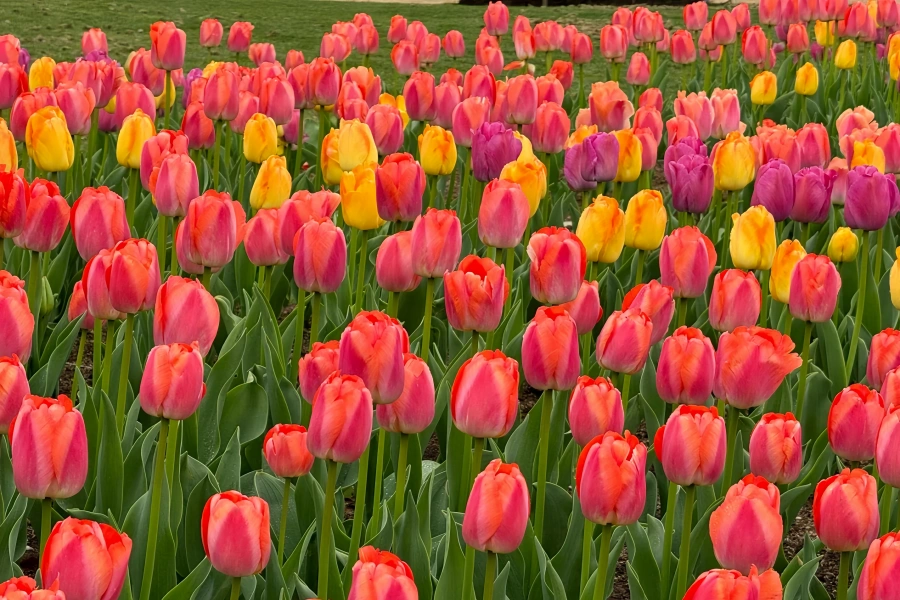
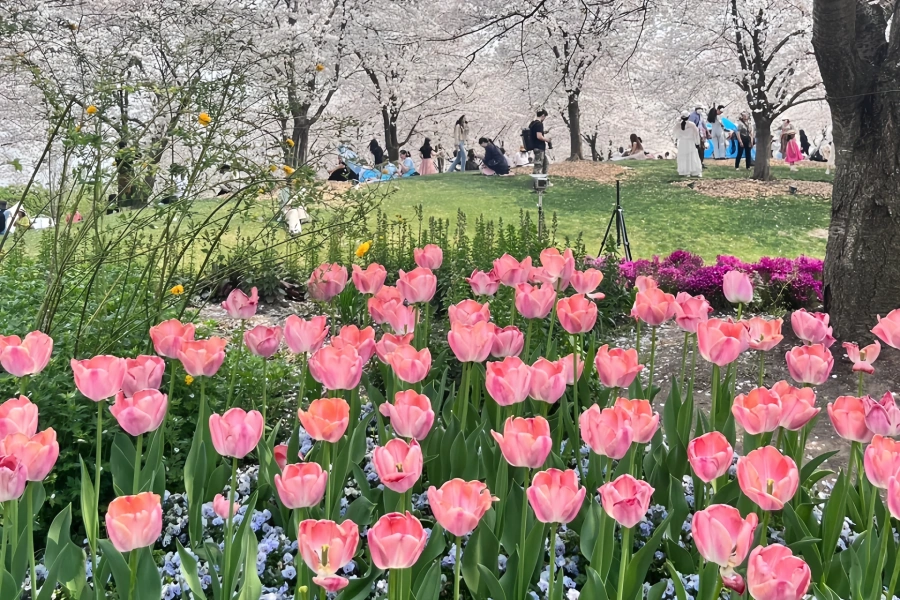
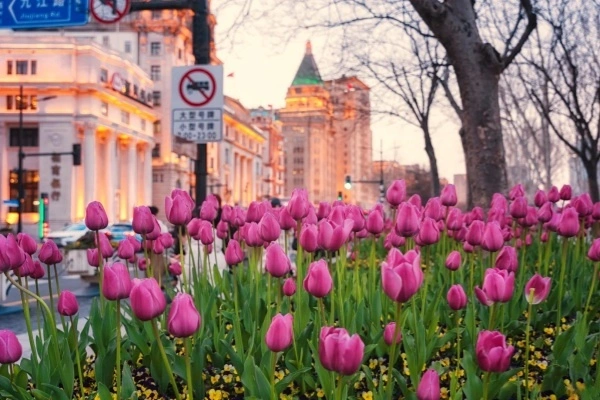
Spring (April-May) with its cherry blossoms, tulips, and roses; and autumn (October-November) with its chrysanthemums and colorful foliage trees are the two golden seasons for photography.
The park is huge, so it is recommended to take the sightseeing train or electric car after entering to save energy and choose key areas for in-depth exploration.