Xi'an Little Wild Goose Pagoda: The Earthquake Wonder of Three Breaks and Three Reunions and the Flourishing Tang Sanskrit Music

Xi'an Little Wild Goose Pagoda: The Earthquake Wonder of Three Breaks and Three Reunions and the Flourishing Tang Sanskrit Music

Overview: A Millennium Old Pagoda Witnessing the Miracle of Silk Road Civilization and Architecture
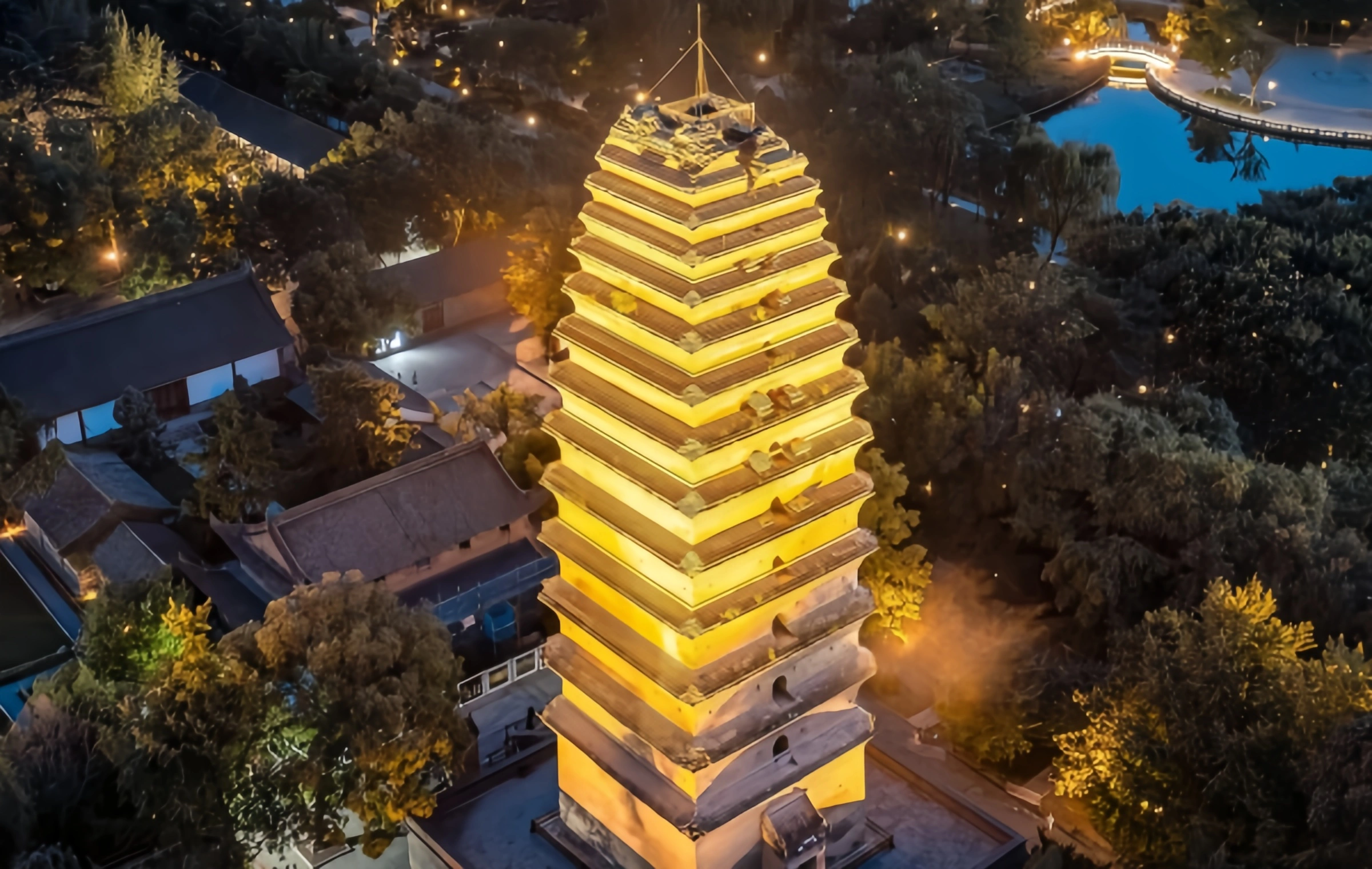
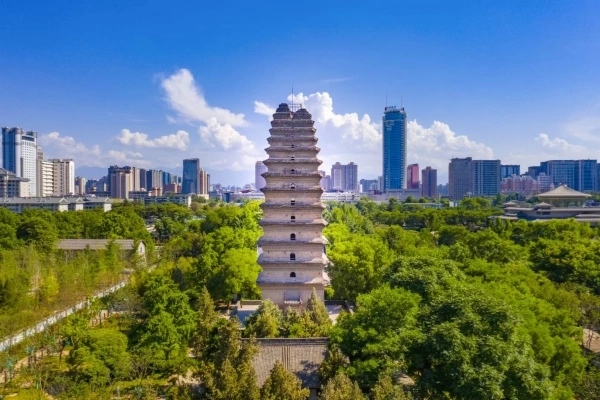
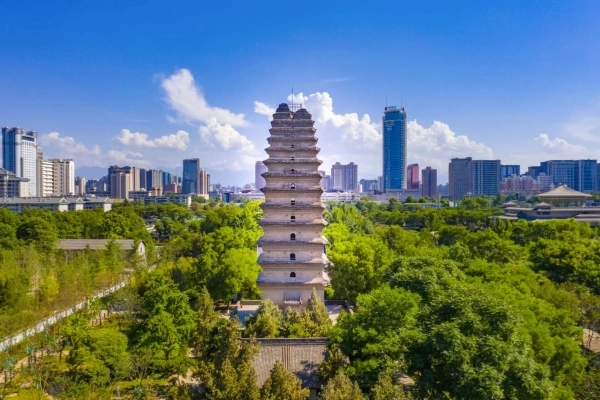
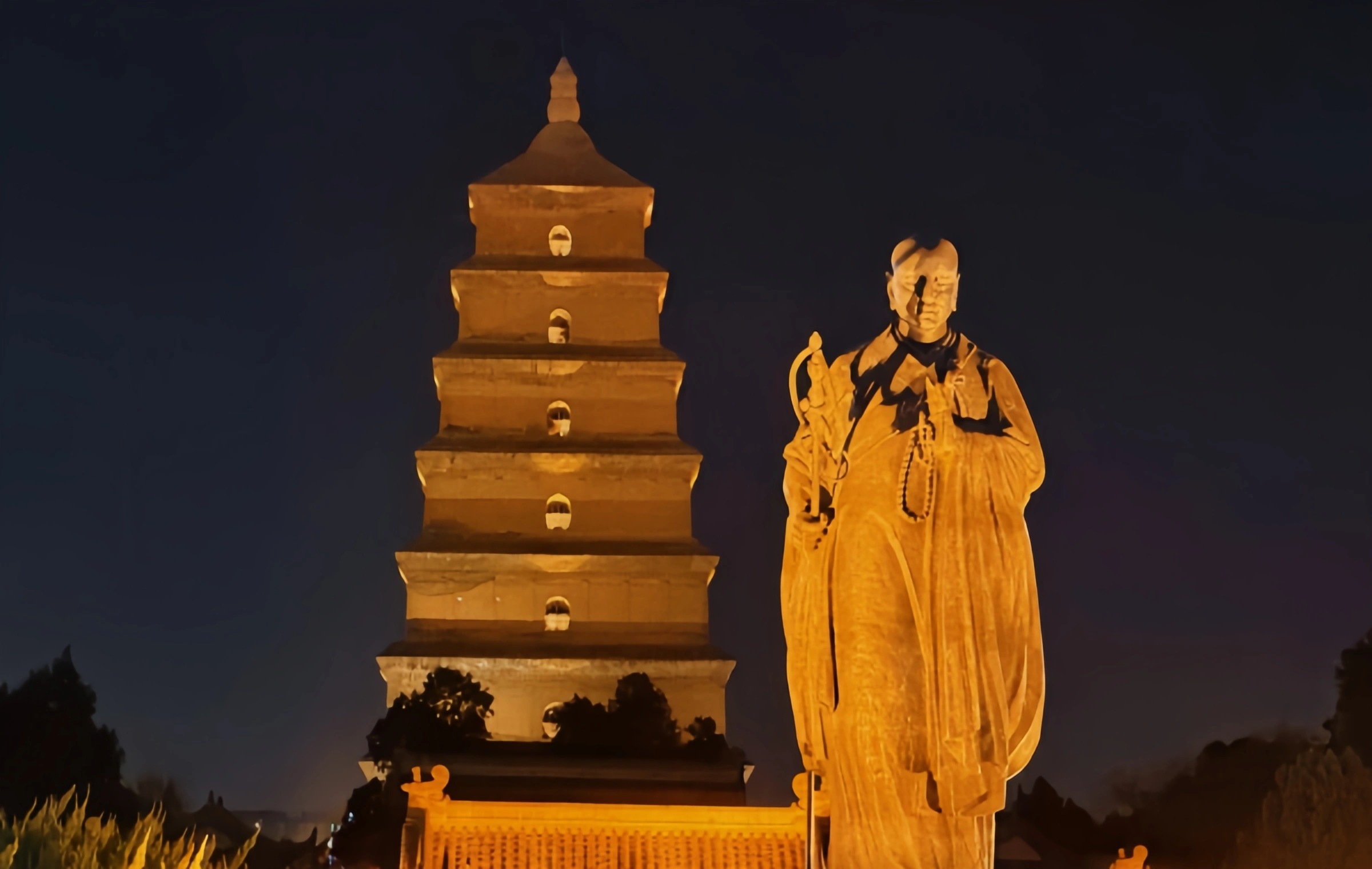
Xi'an Little Wild Goose Pagoda, located in Jianfu Temple, Youyi West Road, Xi'an, Shaanxi Province, is a brick pagoda with dense eaves built in the Jinglong period of Emperor Zhongzong of the Tang Dynasty (707-710 AD).

Quick overview of core highlights
Identity tags: World Cultural Heritage Site "Silk Road: The Road Network of Chang'an Tianshan Corridor" Heritage Site/Architectural Miracle of "Three Cracks and Three Reunions"/"Wild Goose Pagoda Morning Bell" among the Eight Scenic Spots in Guanzhong
Core Experience: Looking up at the majestic Tang Pagoda, listening to the melodious "Yan Pagoda Morning Bell", strolling through the tranquil ancient temple gardens, and exploring the treasures of Xi'an Museum
Suggested tour: Half day to one day, strongly recommend combining ancient pagodas with museums for in-depth exploration.
Address: No. 72 Youyi West Road, Beilin District, Xi'an City, Shaanxi Province (inside Jianfu Temple)

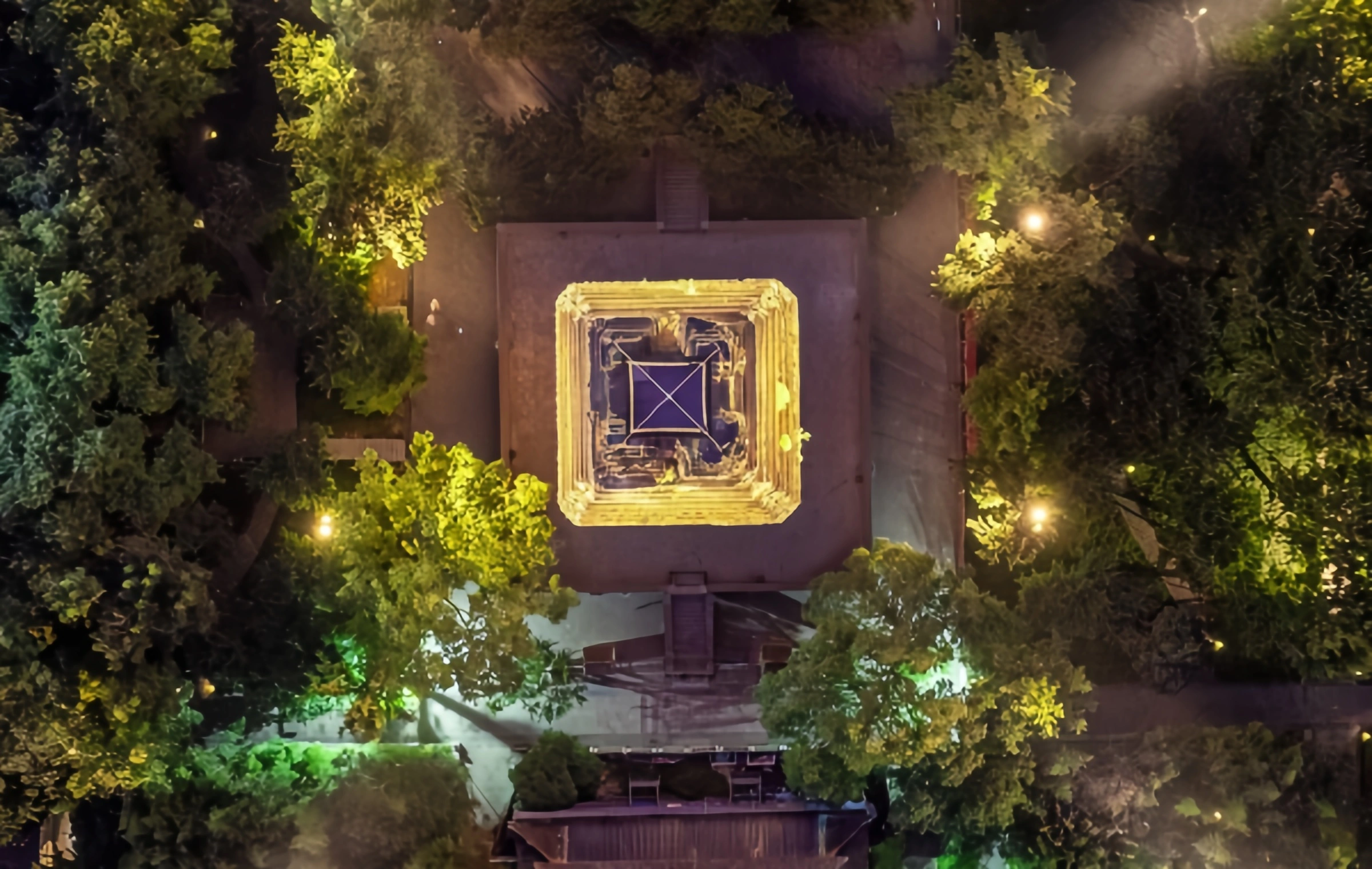
  • Xi'an Little Wild Goose Pagoda: The Earthquake Wonder of Three Breaks and Three Reunions and the Flourishing Tang Sanskrit Music-1
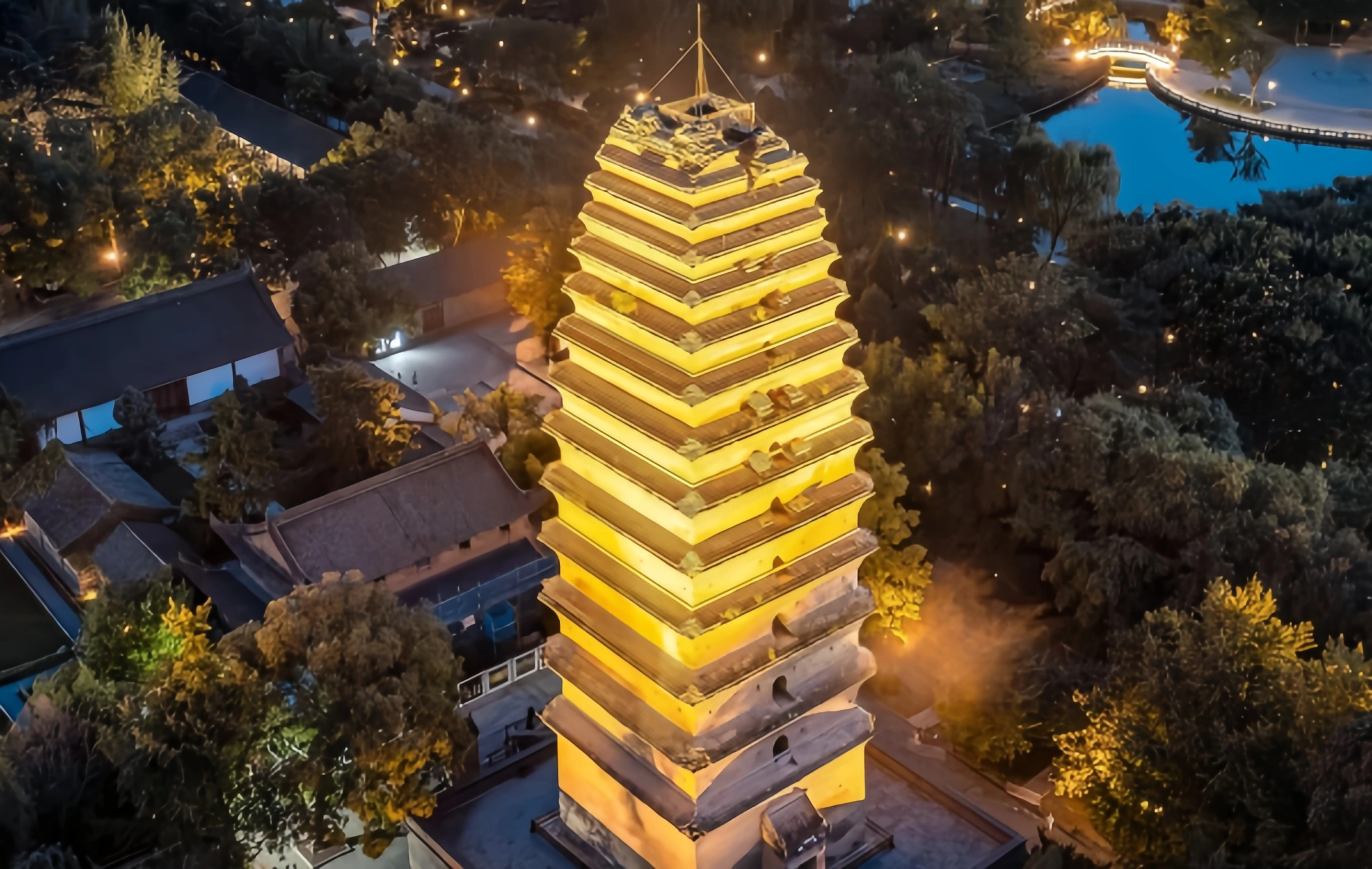
  • Xi'an Little Wild Goose Pagoda: The Earthquake Wonder of Three Breaks and Three Reunions and the Flourishing Tang Sanskrit Music-2
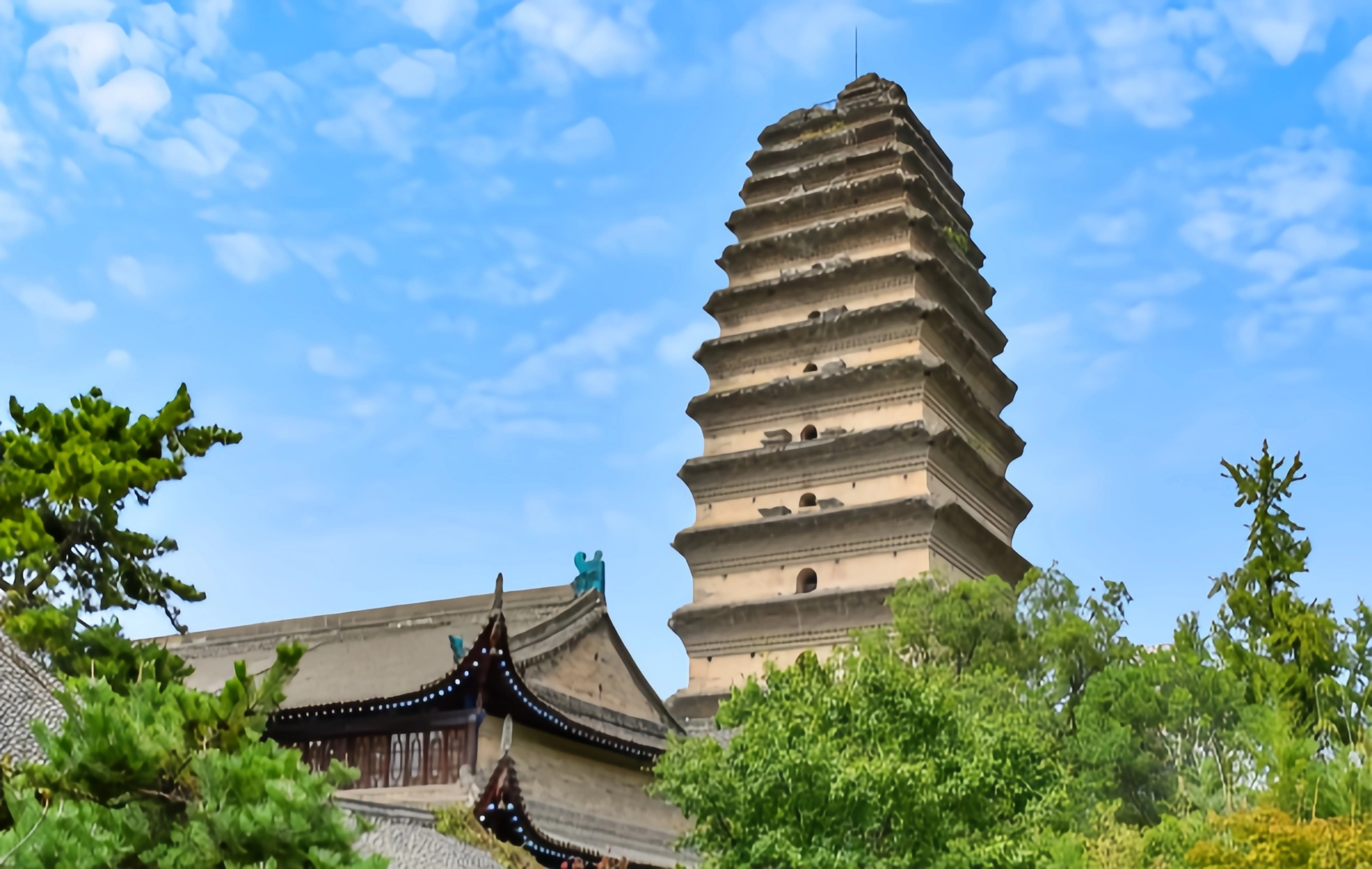
  • Xi'an Little Wild Goose Pagoda: The Earthquake Wonder of Three Breaks and Three Reunions and the Flourishing Tang Sanskrit Music-3
  • Xi'an Little Wild Goose Pagoda: The Earthquake Wonder of Three Breaks and Three Reunions and the Flourishing Tang Sanskrit Music-4

Origin: Silk Road Propagation and Royal Blessings

Furong Ancient Town Furong Ancient Town

The Name of Temple Pagoda - Yijing Qiufa and Royal Temple Construction
The name "Little Wild Goose Pagoda" comes from its symmetrical relationship with another famous pagoda in the same city, the Big Wild Goose Pagoda. The two have similar shapes but are slightly smaller in scale, hence they are called this. And the Jianfu Temple where it is located has a longer history. The temple was originally the old residence of Emperor Yang of Sui before his accession to the throne. After the death of Emperor Gaozong of Tang, Li Zhi, the royal family established a temple to offer blessings to him, originally named "Xianfu Temple". Later, Empress Wu Zetian ordered it to be changed to "Jianfu Temple", becoming an important royal scripture translation site. During the Tang Dynasty, the eminent monk Yijing traveled by sea to India (ancient India) for 25 years to seek Buddhist teachings and brought back a large number of Buddhist scriptures and Sanskrit texts. To preserve and translate these precious cultural treasures, this pagoda was built in Jianfu Temple, making it a tangible witness to the spread of Buddhist culture on the Silk Road.

The Road to Rebirth: From Earthquake Damage to Scientific Repair
The preservation history of the Little Wild Goose Pagoda is a legend that fought against natural disasters and has been carefully guarded by generations.
Brilliant initial construction (707-710): During the reign of Emperor Jinglong in the middle of the Tang Dynasty, a 15 storey pagoda was built in the Jianfu Temple, which is tall and beautiful.
Earthquake Test (1487 present): In the Guanzhong earthquake of the late Ming Dynasty (1487), the Little Wild Goose Pagoda shattered for the first time, and then miraculously reassembled in the earthquake of the late Zhengde period (1521). Afterwards, it went through two obvious "splits and reunions", known as the "three splits and three reunions" in history, becoming a great wonder in the history of ancient Chinese architecture.
Modern restoration and protection: After the founding of New China, the state conducted a systematic survey and reinforcement of the Small Wild Goose Pagoda. In 1961, the Small Wild Goose Pagoda was listed as one of the first national key cultural relics protection units. In 2014, as one of the heritage sites of "Silk Road: the road network of Chang'an Tianshan Corridor", it was successfully included in the The World Heritage List.
Cultural Renewal (21st Century Present): With the completion of the Xi'an Museum and its organic integration with the Small Wild Goose Pagoda Historical Park, this place has transformed from a single cultural relic attraction to an urban cultural reception hall that integrates cultural relic display, historical research, and citizen leisure.

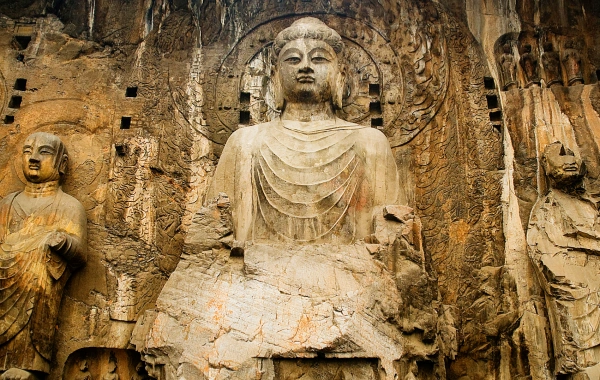
In depth understanding: Explore more cultural heritage along the Silk Road in China>>Longmen Grottoes in Luoyang

Must see Wonders: Architectural Wonders and Historical Gardens

Furong Ancient Town Furong Ancient Town

Humanistic Craftsmanship - Silent Poems of Tang Dynasty Architecture
The Little Wild Goose Pagoda itself is a three-dimensional textbook of Tang Dynasty architectural history.
A typical example of a brick tower with dense eaves:
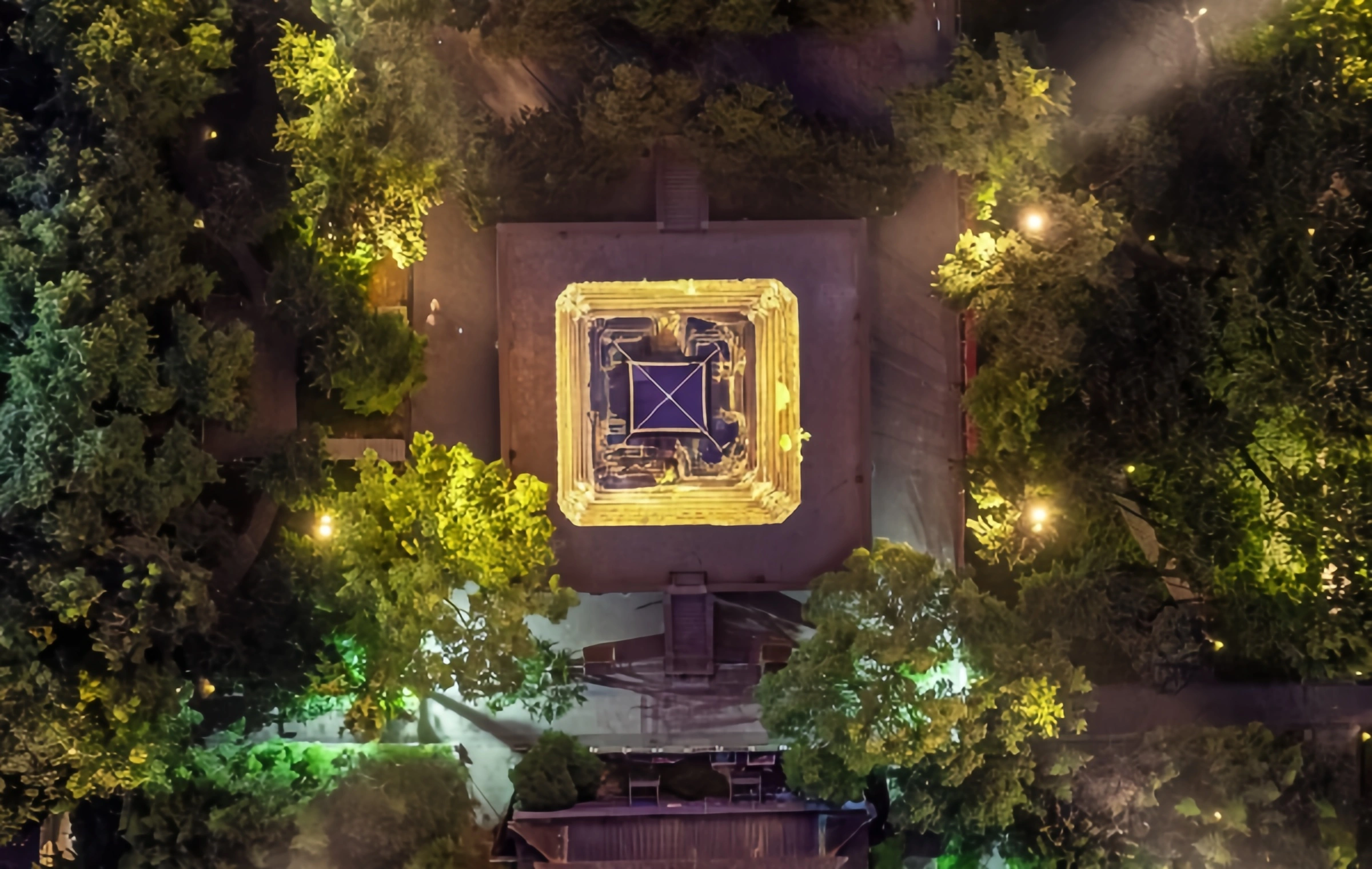
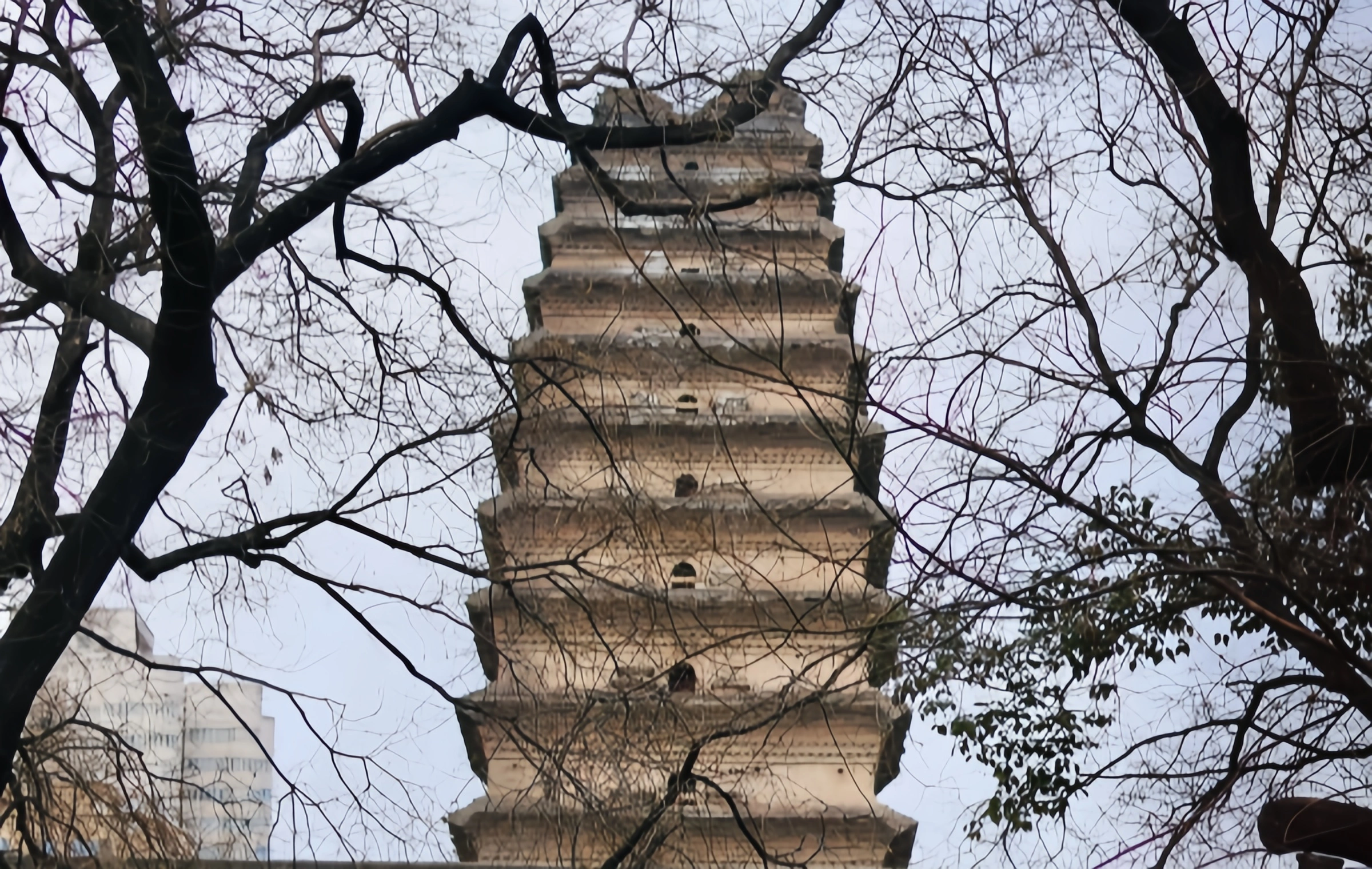
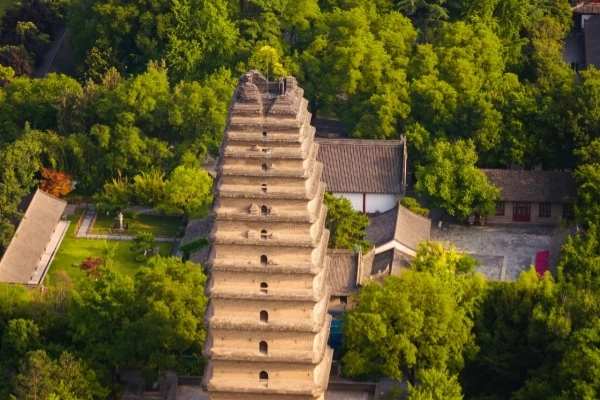
The tower body is a square brick structure with dense eaves. Unlike the imitation wooden attic style of the older brother's "Big Wild Goose Pagoda", the dense eave style of the Small Wild Goose Pagoda is more prominent. The first level of the tower is tall, and the height and width of each level gradually decrease, forming a beautiful contour curve that appears particularly beautiful and upright. There are ticket windows in the center of both the north and south sides of each floor, and there are wooden floor slabs inside the tower that can be climbed up to the top of the tower in a spiral manner (now a protected cultural relic, the tower is often not open for climbing).
The magical tower mark of "three cracks and three combinations":
Careful observation of the tower reveals cracks caused by earthquakes in history. The most amazing thing is that these cracks are not simply damages, but reflect the wisdom of ancient craftsmen to "adapt to the situation". According to research, the unique "semi-circular sphere" rammed earth foundation of the tower base can effectively disperse pressure like a tumbler during earthquakes, combined with the toughness of the tower structure, creating the miracle of "cracking without collapsing and post earthquake composite". This is not only a valuable case of seismic engineering, but also adds a strong sense of mystery to it.
The Millennium Legacy of Jianfu Temple:
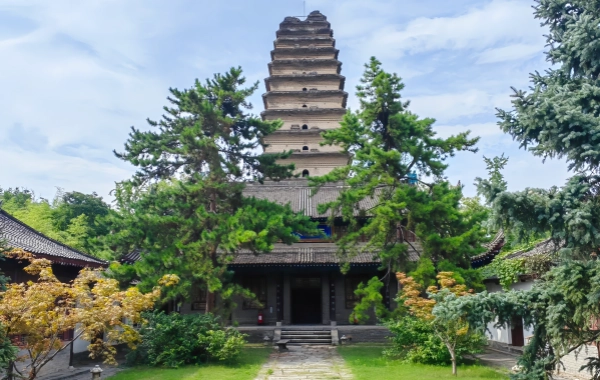
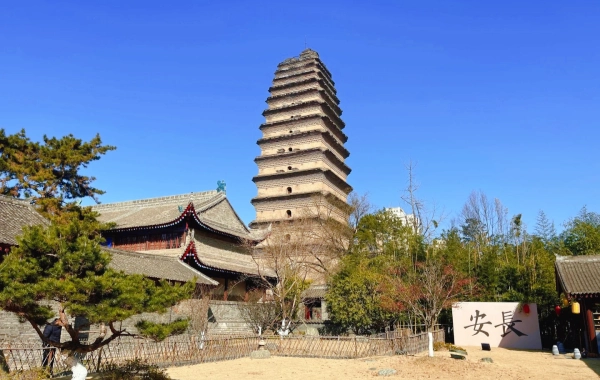
The ancient pagoda is not isolated, it is surrounded by the ancient temple of Jianfu. Passing through the mountain gate and walking along the ancient cypress forest corridor, one can visit the reconstructed halls of the Ming and Qing dynasties, such as the Cishi Pavilion and the Sutra Pavilion, and experience the solemnity and tranquility of the millennium old temple.

Natural Charm - The Tranquil Time of Ancient Temple Gardens
Compared to the resilience of the tower, the greenery of the tower garden provides another kind of beauty.
Yanta Morning Bell:
The ancient bell in Jianfu Temple was cast in the third year of Mingchang in the Jin Dynasty (1192) and weighs 8000 kilograms. In the past, every morning, the monks of the temple would ring the bell on time. The bell was clear and echoed throughout the ancient city. The "Yanta Morning Bell" was known as one of the "Eight Scenic Spots of Guanzhong". Nowadays, tourists can still pay to experience ringing the bell, allowing the gentle sound of the bell to bring people back to Chang'an in their dreams.
Tall ancient trees and garden landscapes:
There are many ancient and famous trees in the park, especially several thousand year old Chinese locust trees that are the most eye-catching. At the time of spring and summer, the green shade is like a canopy, complementing the yellow mud and green bricks of the ancient pagoda; In autumn, ginkgo leaves turn yellow and adorn the ancient buildings, creating a stunning painting. This is a rare peaceful place amidst the hustle and bustle of the city, suitable for slowing down and savoring.
Modern Integration of Xi'an Museum:
The Xi'an Museum, located within the park, has an architectural style that harmonizes with ancient pagoda gardens. The museum collects the essence of cultural relics from various historical periods in Xi'an, especially the precious remains of Zhou, Qin, Han and Tang Dynasties. After visiting the Little Wild Goose Pagoda and entering the museum, you can have a complete dialogue of time and space between the ancient pagoda on the ground and the history carried by the underground cultural relics.

Photography tips:
The best panoramic camera position is in the square inside the gate of Jianfu Temple, which can capture the ancient pagoda and architecture together in the camera;
The sunlight at dusk casts a golden glow on the brick tower, making it the best time to capture the texture of the architecture;
Using the foreground of the garden, such as ancient tree branches and eaves of buildings as frames, capture parts of the tower to increase the sense of layering and storytelling in the picture;
The glass curtain wall in the museum hall provides a modern perspective for capturing the reflection of the Little Wild Goose Pagoda.

Core Experience: Immersive Tang style Zen Guide

Furong Ancient Town

Five Must Do Things to Unlock a Complete Journey to the Little Wild Goose Pagoda
Looking up at the millennium old wonder of 'divine union'
Entering Jianfu Temple, one will be immediately attracted by the tall and beautiful figure of the Small Wild Goose Pagoda. Don't rush to climb the tower, first circle around the tower, carefully observe the brick and stone structure and the traces left by earthquakes in history, imagine the magical moments of its multiple "cracks and composites", and feel the amazing wisdom contained in ancient architecture.
Ring the "Yanta Morning Bell" to pray for good fortune and prosperity
Inside the bell tower, personally strike the ten thousand pound giant bell cast in the Jin Dynasty. The sound of the bell is loud and distant, and it is said to pray for blessings and dispel disasters. Experience the sense of ceremony of one of the "Eight Scenic Spots of Guanzhong", let the sound of the bell take away worries, and leave endless imagination for the prosperous Tang Dynasty in Chang'an.
Exploring Xi'an Museum, Dialogue with Zhou Qin Han Tang
Step into the Xi'an Museum, which is integrated with the ancient pagoda park and houses over 100000 cultural relics. Focus on viewing Tang Dynasty cultural relics that reflect the life of the imperial capital, exquisite ancient jade artifacts, and Buddhist statues unearthed from temples. Through cultural relics, complete a three-dimensional historical journey from ancient pagodas on the ground to underground treasures.
Strolling through ancient temple gardens, enjoying the serene Zen atmosphere of the city
Strolling under towering ancient cypress and ginkgo trees, avoiding the hustle and bustle of the city. In spring and summer, the greenery is lush, and in autumn, there are abundant yellow and fallen leaves. Experience the peaceful flow of thousands of years of time between ancient pagodas and trees. This is an excellent place for Chinese aesthetic photography or contemplation.
Searching for traces of the Silk Road and reviewing the journey of Yijing
Search for records related to the eminent monk Yijing in the Jianfu Temple site and museum exhibition hall. Understand the story of him traveling by sea to India to obtain Buddhist scriptures, bringing back a large number of Sanskrit texts and translating them here, and experience the magnificent history of cultural exchange and the spread of Buddhism on the Silk Road.

Suggested tour routes
The Xiaoyan Pagoda and Xi'an Museum form a compact cultural scenic area, which is very suitable for arranging half day to one-day in-depth cultural tours.
Half day "Tower Museum" essence tour (suitable for people with tight time):
Entering the park at 9am → First, visit the Small Wild Goose Pagoda, enjoy the scenery around the pagoda, and learn about its history and architectural wonders (1 hour) → Go to the Bell Tower to experience the "Wild Goose Pagoda Morning Bell" (0.5 hours) → Then enter the Xi'an Museum, focusing on the basic exhibition "Ancient Capital Xi'an" (2 hours) → Have a simple meal in or around the park at noon and end the trip.
IntoTravelChina Tip: This itinerary is packed with cultural information. It is recommended to learn about Tang Dynasty history or Buddhist cultural background in advance, or book a professional tour with us for a better experience.
One day "Slow Quality Chang'an" In Depth Tour (Highly Recommended for Cultural Enthusiasts):
In the morning, focus on the historical park of Jianfu Temple in Xiaoyan Pagoda. In addition to carefully observing the ancient pagoda, you can also explore the ruins of various halls in the temple, take a slow walk and sit quietly in the garden, and fully experience the atmosphere of the ancient temple. Enjoy a special lunch near the museum. In the afternoon, fully immerse yourself in the Xi'an Museum. In addition to the permanent exhibition, you can also watch the special exhibition at that time and take a break in the cultural and creative space of the museum. Before evening, you can walk or take a short car ride to the nearby Xi'an Beilin Museum or Xiangzi Temple Street to continue to feel the cultural atmosphere of the ancient city.
Advantages of IntoTravelChina: We can book the most suitable professional tour guide for you (especially skilled in interpreting cultural relics and history), arrange the connection between museum visits and surrounding cultural attractions, and provide detailed background information and travel tips.

Professional guide: IntoTravelChina can provide you with a personalized itinerary, including exclusive tour guides, transportation, and activity arrangements, allowing you to have a worry free and in-depth experience. >>Consult now for customization

Travel Guide: Transportation, Accommodation, and Seasons

Furong Ancient Town

How to reach: Seamless Connection Guide
The Xiaoyan Pagoda (Xi'an Museum) is located in the southern urban area of Xi'an, with convenient transportation.
Departing from Xi'an Xianyang International Airport: Take the Airport Intercity Line to Beike Station, transfer to Metro Line 2 to Nanshaomen Station, and walk about 500 meters from Exit F. Take a taxi for about an hour.
Departing from Xi'an North Station (high-speed railway station): taking Metro Line 2 directly to Nanshaomen Station is the most convenient way.
Departing from downtown Xi'an (core mode): Take Metro Line 2 and Line 5 to Nanshaomen Station; Or take multiple buses to the "Xiaoyan Pagoda" station (such as 18, 21, 29, 32, 40, 46, 203, 204, 218, 224, 258, 407, 410, 508, 521, 618, 700, You 7, You 8, etc.). The scenic area is adjacent to landmarks such as Shaanxi Provincial Sports Center and Xi'an SKP.

Best travel time
The scenery of Xiaoyan Pagoda Park varies throughout the four seasons, with beautiful gardens and forests inside. Spring and autumn are the best seasons for sightseeing, with the best light and shadow effects in the morning or afternoon.
Spring and Autumn Golden Season (March May, September November): The climate is pleasant, with lush greenery in the park in spring and golden ginkgo trees in autumn. The ancient pagoda is particularly beautiful against the brilliant colors, and the photography output rate is high.
Summer cooling season (June August): The ancient trees in the park provide shade, making it cooler compared to the external streets. It is recommended to avoid the hottest time of noon, choose to visit in the morning or evening, and pay attention to mosquito prevention.
Winter Quiet Season (December February): With fewer tourists, if encountering snowy weather, the scene of the ancient pagoda's white snow is quiet and solemn, with a unique charm. The indoor museum is not affected by weather and is a great place for winter cultural tourism.

Accommodation options
Small Wild Goose Pagoda and South Gate surroundings (preferred, combining culture and convenience):
High end hotels: Xi'an Junle Castle Hotel, Xi'an Hexu Apartment Hotel, etc., within walking distance to scenic areas, some of which offer views of ancient city scenery.
Featured homestays and comfortable hotels: The area around the South Gate and Sports Center East Road is dotted with many well-designed boutique hotels and featured homestays, with convenient transportation, dining, and shopping, and a rich nightlife.
Along Metro Line 2 (a cost-effective and convenient option):
Choosing hotels along Line 2 of the subway (such as near Longshouyuan, the Municipal Library, the Convention and Exhibition Center, etc.) is a wise choice to balance budget and travel efficiency, as it provides quick access to Xiaoyan Pagoda (Nanshaomen Station) via the subway.

IntoTravelChina accommodation booking recommendations:
We strongly recommend that if you plan to engage in in-depth cultural tourism, prioritize living in the south of the city or along Line 2 of the subway. By booking with us, we can not only select accommodations that balance comfort and convenient transportation for you, but also package tickets, explanations, and transportation plans for attractions such as the Small Wild Goose Pagoda, Shaanxi History Museum, Beilin, and Ancient City Wall, saving you research and travel time. Tell us your interests and we will design the most reasonable cultural route for you in the ancient city. >>Click to contact IntoTravelChina travel consultant

Extended Journey: Connecting the Cultural Axis of the Ancient City of Xi'an

Furong Ancient Town Furong Ancient Town

The Xiaoyan Pagoda is located in the cultural core area of southern Xi'an and is an important node connecting multiple classic tourist routes.

1 day cultural stroll in the south of Xi'an City: Little Wild Goose Pagoda (Xi'an Museum) → Walk to Xi'an Beilin Museum → Climb the Xi'an City Wall (South Gate Section) → Shuyuanmen Cultural Street → Xiangzimiao Street/Defu Lane. This is a classic city walking route that uses footsteps to measure history and deeply experience the cultural texture of the ancient city.

Beijing Xi'an 6-day Ancient Capital essence Link Tour: Beijing (Tiananmen Gate, Forbidden City, Great Wall, Temple of Heaven) → Xi'an (Terra Cotta Warriors, Ancient City Wall, Big Wild Goose Pagoda, Tang Dynasty Sleepless City). This is a classic journey through two cities, from the royal palaces of the Yuan, Ming, and Qing dynasties and the Great Wall, to the underground military formations of the Qin and Han dynasties and the light and shadow of the prosperous Tang dynasty. >>View the 6-day Beijing Xi'an Ancient Capital Connection Tour Route

Join hands with IntoTravelChina and embark on your exclusive Chang'an cultural journey

Furong Ancient Town Furong Ancient Town

The story of Little Wild Goose Pagoda is about the adherence to faith, the exchange of civilization, and the resilience of time. IntoTravelChina is dedicated to creating a deep, personalized, and worry free travel experience in China. Our travel experts can assist you with:
Tailored itinerary: according to your interest in history, architecture or Buddhist culture, design a deep route starting from the Little Wild Goose Pagoda, covering all relevant essence in Xi'an and Guanzhong.
One stop service: handle all venue reservations (especially during holidays), professional academic tour guides, specialty accommodations, and seamless transportation connections.
Exclusive experience: arrange intangible cultural heritage experiences, attend expert lectures, visit during non-public hours (if policy allows), etc.
Make your journey to the Little Wild Goose Pagoda not just about watching, but also a deep learning experience of dialogue with history, architecture, and civilization.

Start planning your journey now
Welcome to contact our professional travel consultants, we will provide you with exclusive itinerary plans and quotes within 24 hours. >>Click to contact IntoTravelChina travel consultant
Recommended Tours

Top 3 tours chosen by most customers to explore in the best way. Check the detailed itinerary, or tailor your own trip now with us.

Zhangjiajie Tour
2 Days Luoyang & Kaifeng Ancient Capitals Cultural Tour

2 Days  |  Luoyang - Kaifeng

Zhangjiajie Tour
1 Day Longmen Grottoes & Shaolin Temple Cultural Tour

1 Day  |  Luoyang--Dengfeng

Zhangjiajie Tour
Two-day Tour in Henan

2 Days  |  Luoyang-Dengfeng

What Our Clients Say?

Based on 10,000+ traveler reviews

...
Daniel Dorothea
Canada
Reviewed on April 29,2025
Shopping on Nanjing Road in Shanghai was just amazing! It's truly the "First Commercial Street of China", where tradition and modernity blend perfectly. You can find awesome souvenirs and experience the trendy vibes in cool stores. The neon lights at night are just spectacular, shining bright like Times Square in New York. The food here is incredible too. I had a feast for my taste buds. Shanghai, I'll definitely be back!
Destination(s): Shanghai
Date of Experience: May 08,2024
...
...
Elvis Eva
Canada
Reviewed on June 20,2025
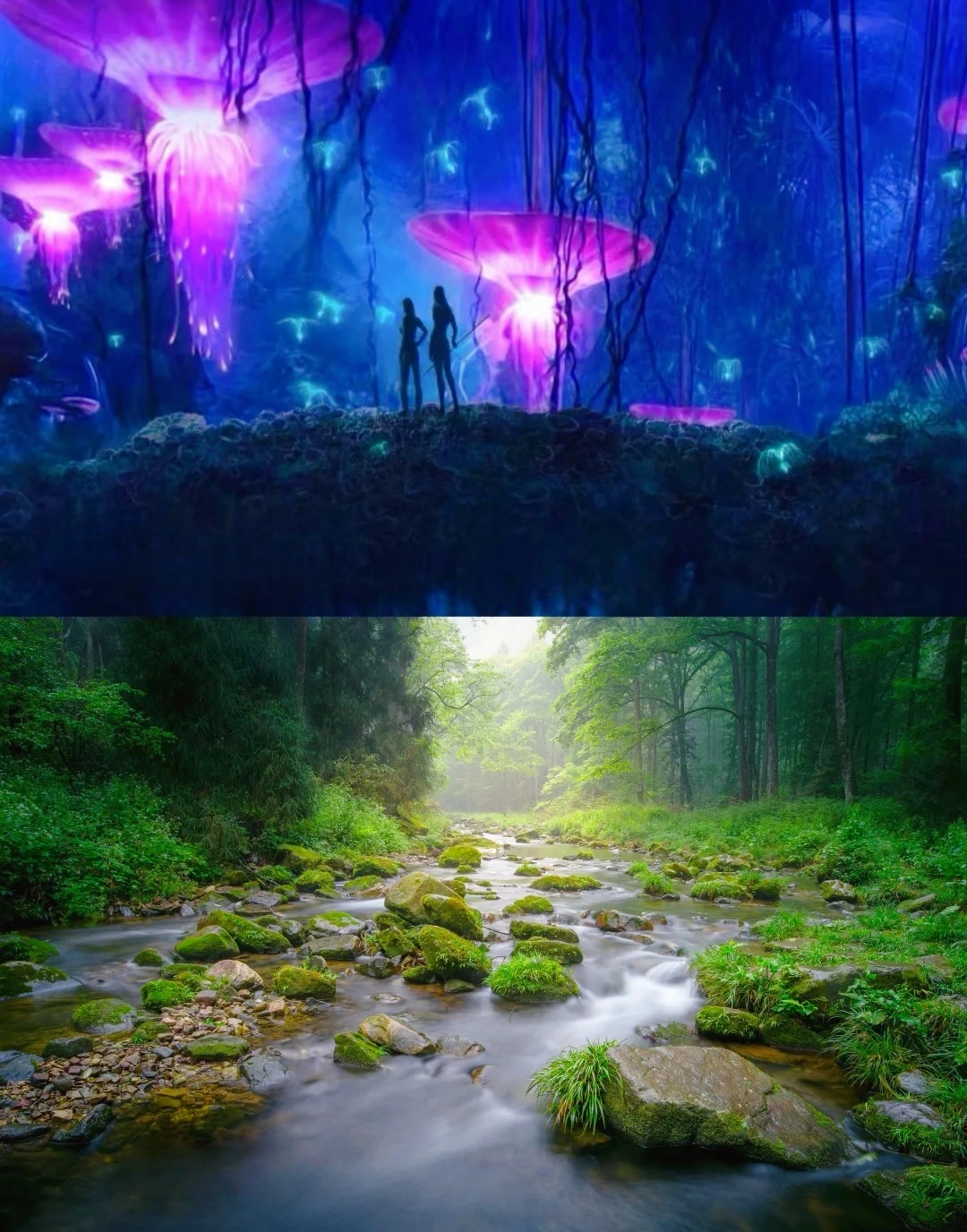
As a solo traveler from Canada, I was nervous about navigating China alone—but this 11-day tour was PERFECT! From hiking the Great Wall at sunrise (Day 3) to gasping at the Terracotta Army (Day 5), every day delivered ‘pinch-me’ moments. The real showstopper? Zhangjiajie’s Avatar Mountains (Day 7)! Our guide made the stone pillars come alive with stories. Massive thanks for handling all logistics—bullet train tickets, entry passes, car! And the 4-star hotels surprised me.
Destination(s): Beijing Xian Zhangjiajie Shanghai
Date of Experience: June 02,2025
... ... ...
...
Simon
America
Reviewed on May 29,2025
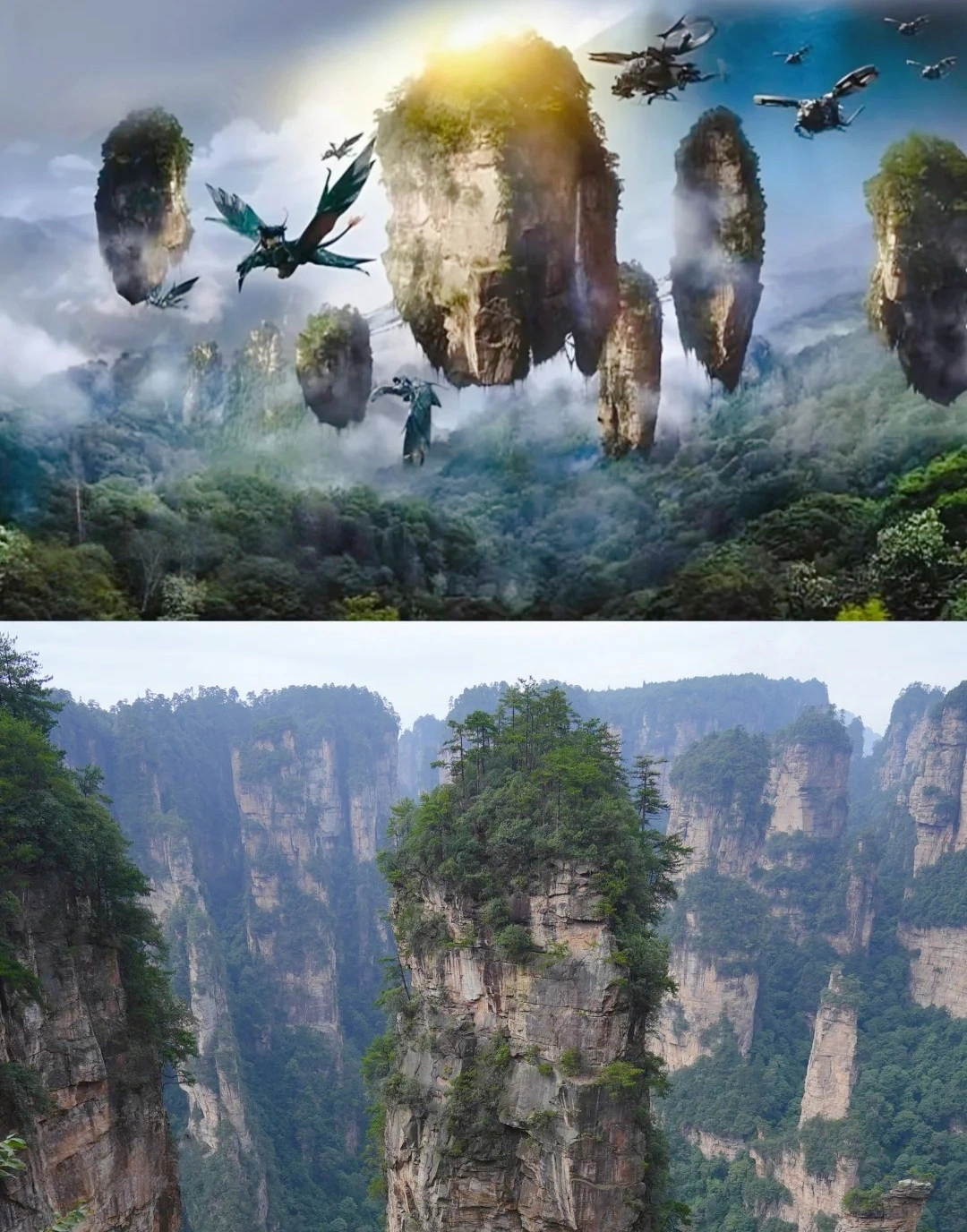
Our 2-day Zhangjiajie tour was beyond spectacular! As someone who’s visited Beijing and Shanghai for work, this trip revealed China’s wild, magical heart. Day 1 in Zhangjiajie National Forest Park felt like stepping onto Pandora—I’m a huge Avatar fan, and Yuanjiajie’s floating peaks left me breathless. The misty pillars and lush valleys like pure movie magic! Then came Fenghuang Ancient Town, we eat dinner beside the thundering waterfall. It seems Unreal! The night views of stilt houses glowing over the river were straight from a fairy tale. For fellow Avatar lovers and adventure seekers: Don’t miss this bucket-list experience! 10/10 would return. A Well-Traveled Film Buff, May 2025
Destination(s): Zhangjiajie
Date of Experience: May 08,2025
... ...

FAQ

What's the most iconic statue in Longmen Grottoes?

The 17-meter-high Vairocana Buddha in Fengxian Temple, modeled after Empress Wu Zetian.

How to get to Longmen Grottoes from Luoyang downtown?

Take Metro Line 2 (30 mins, 2 RMB) to Longmen Grottoes Station; taxi takes 20 mins (~30 RMB).

Is the night tour of Longmen Grottoes worth it?

Yes—statues are lit up, offering a different view (night tickets: 90 RMB, April–October).

Is a shuttle bus needed inside the site?

Optional (10 RMB one-way) from entrance to main grottoes; walking takes 15–20 mins.

What should visitors note when visiting?

No climbing on statues; Bring water (shops limited); Wear non-slip shoes on stone paths.

Ask a Question

Question Summary (100 characters)
Details (optional) (2,000 characters)
Name
Country
Email