Natural Creation - The ever-changing picture of the heavenly realm
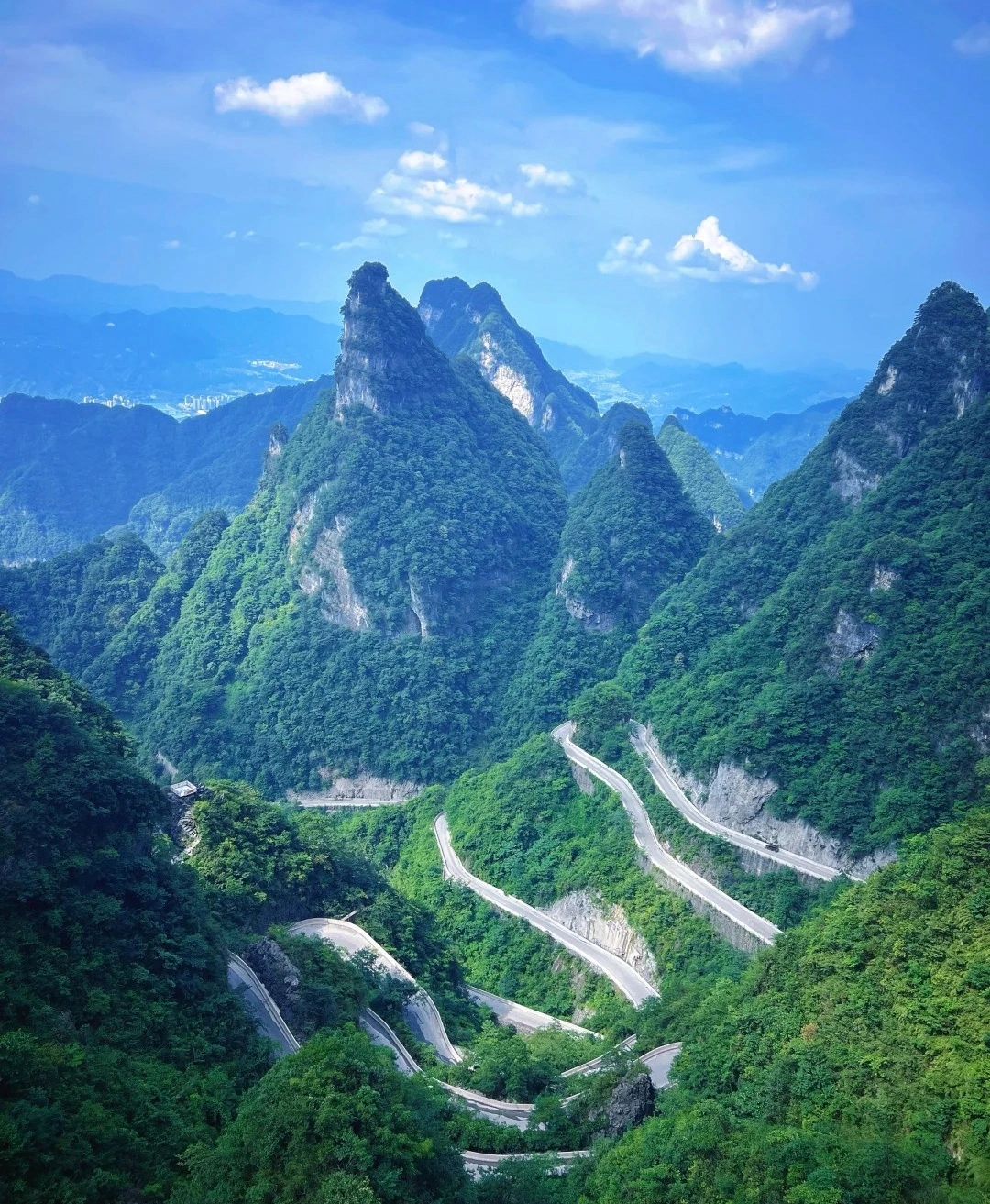
The natural beauty of Mount Emei lies in its ultimate landscape that varies endlessly with altitude, time, and climate.
The Four Wonders of Golden Summit - A Gift from Heaven and Earth that can be encountered but not sought after
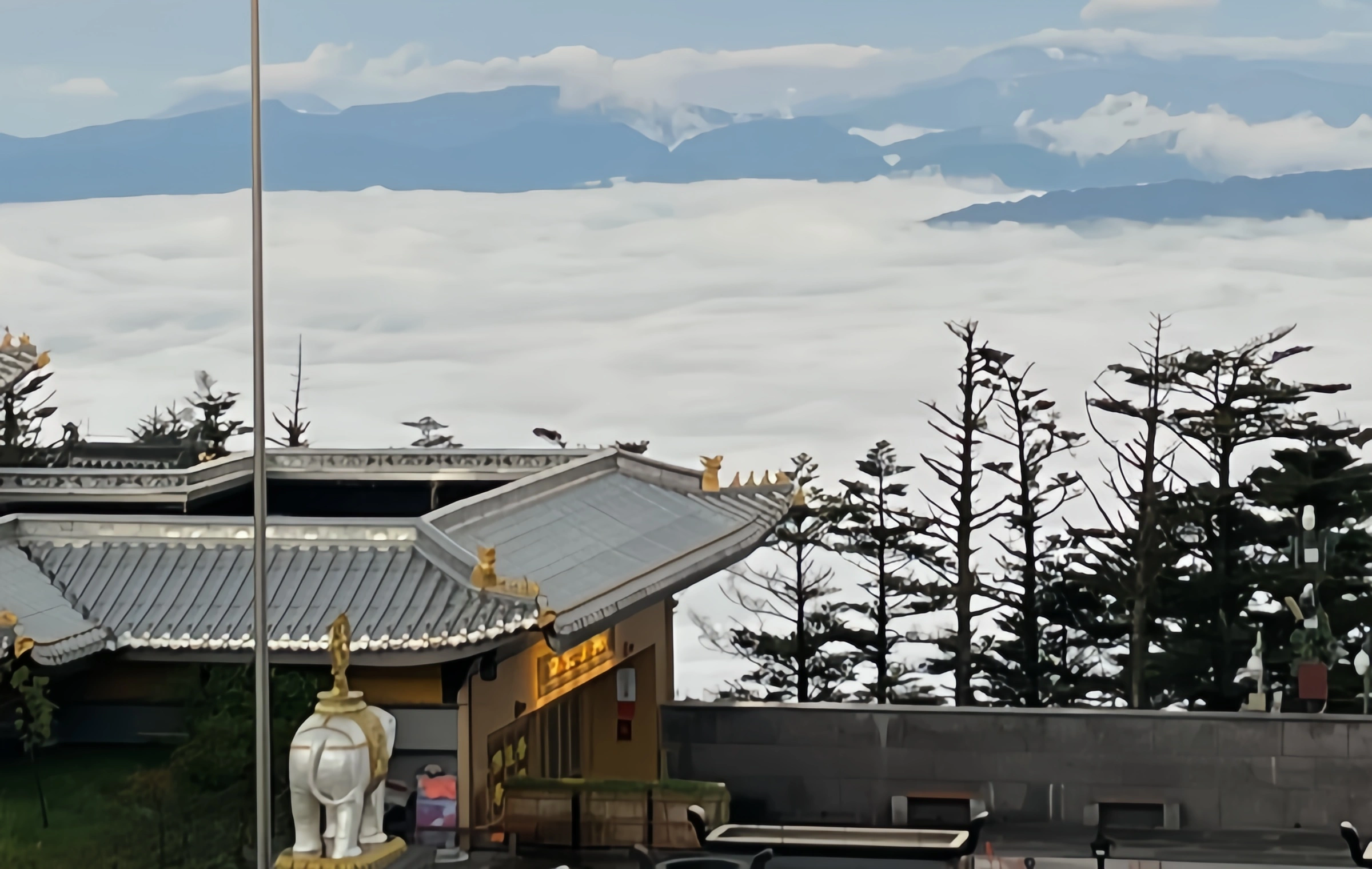
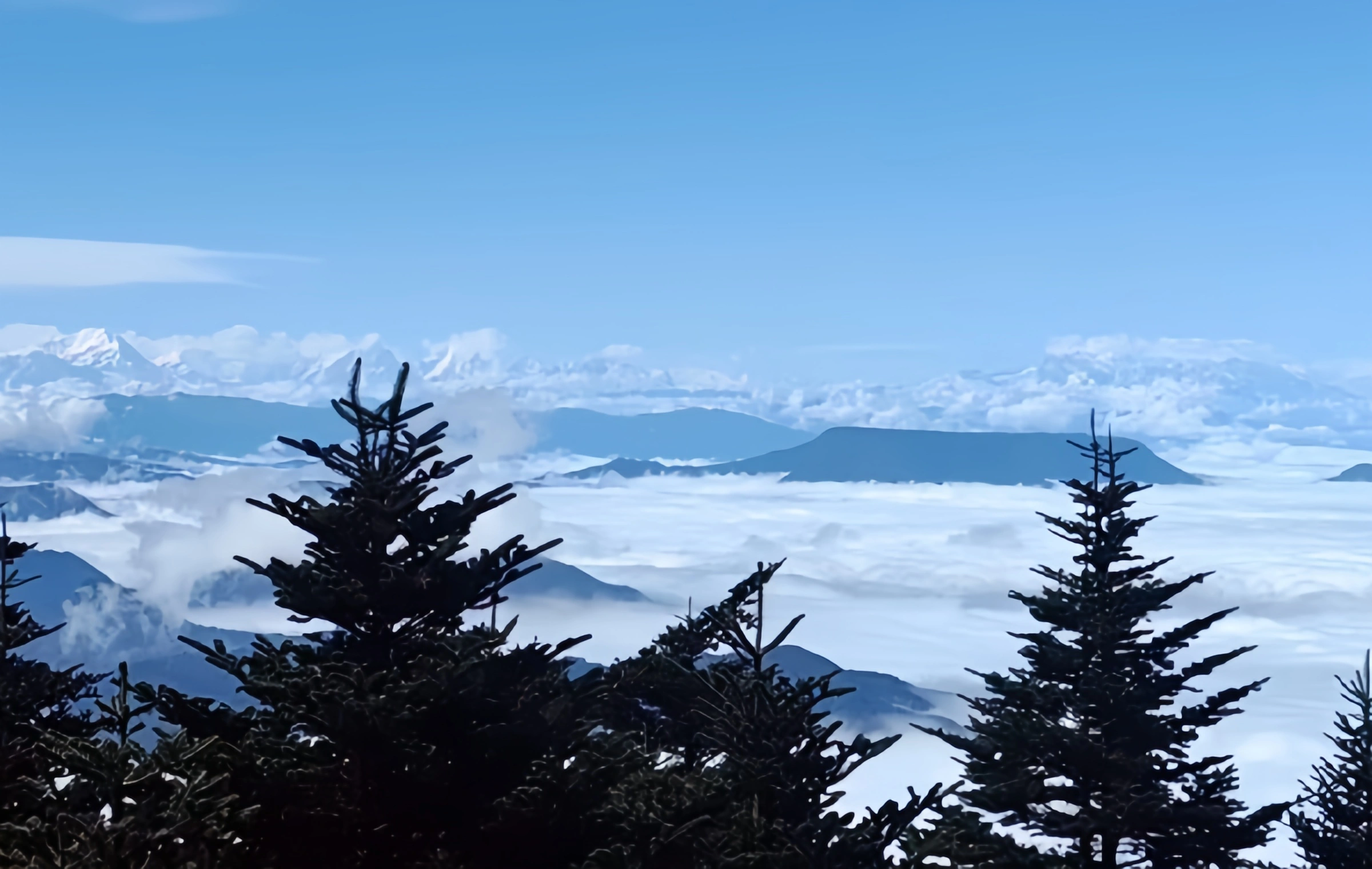
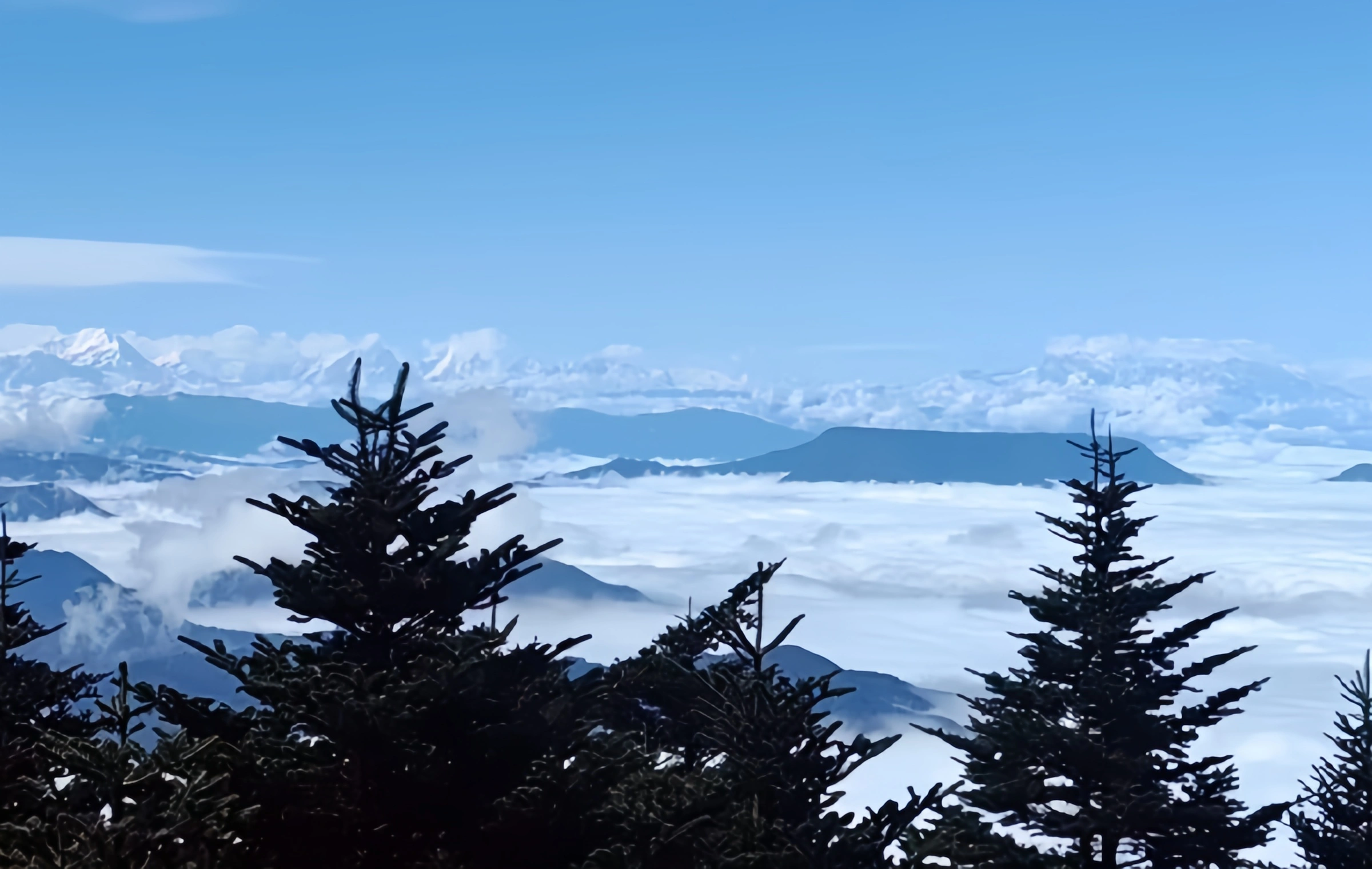
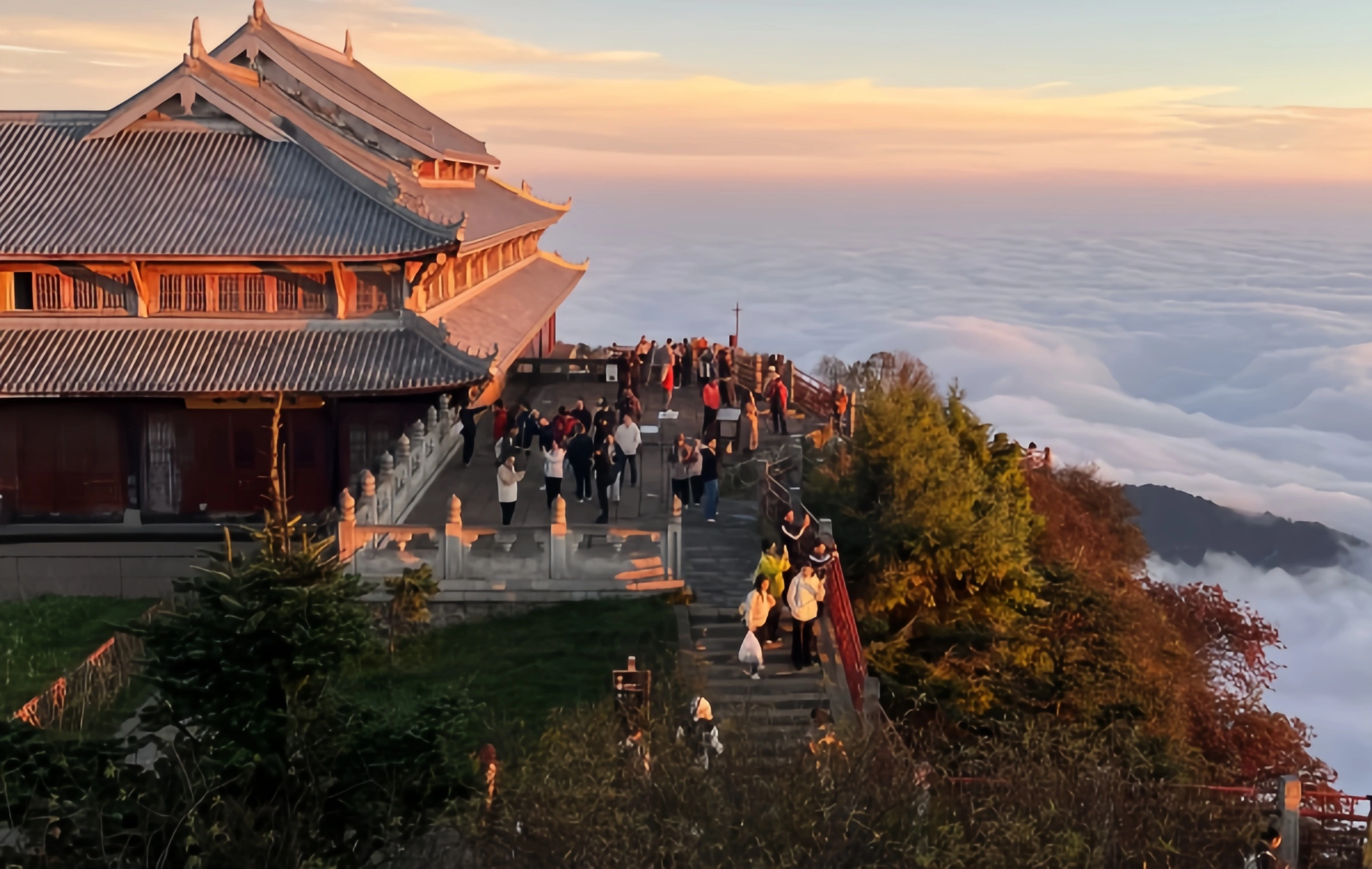
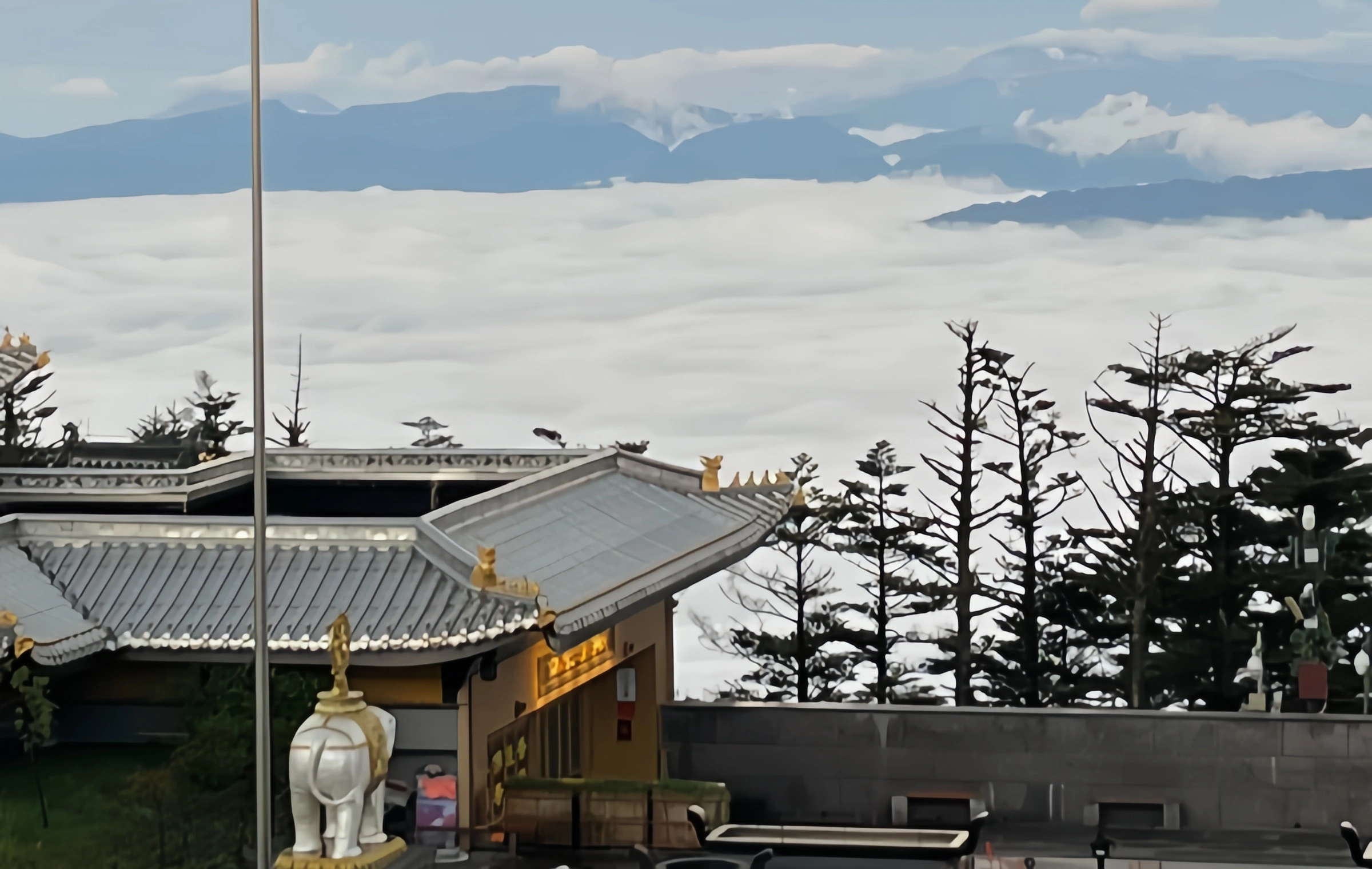
Cloud Sea: Most common in winter. After the first snowfall, the boundless white clouds rolled like waves, submerging the mountains. Only the Golden Summit Palace floated like an isolated island in the clouds, creating a magnificent scene known as the "Silver World".
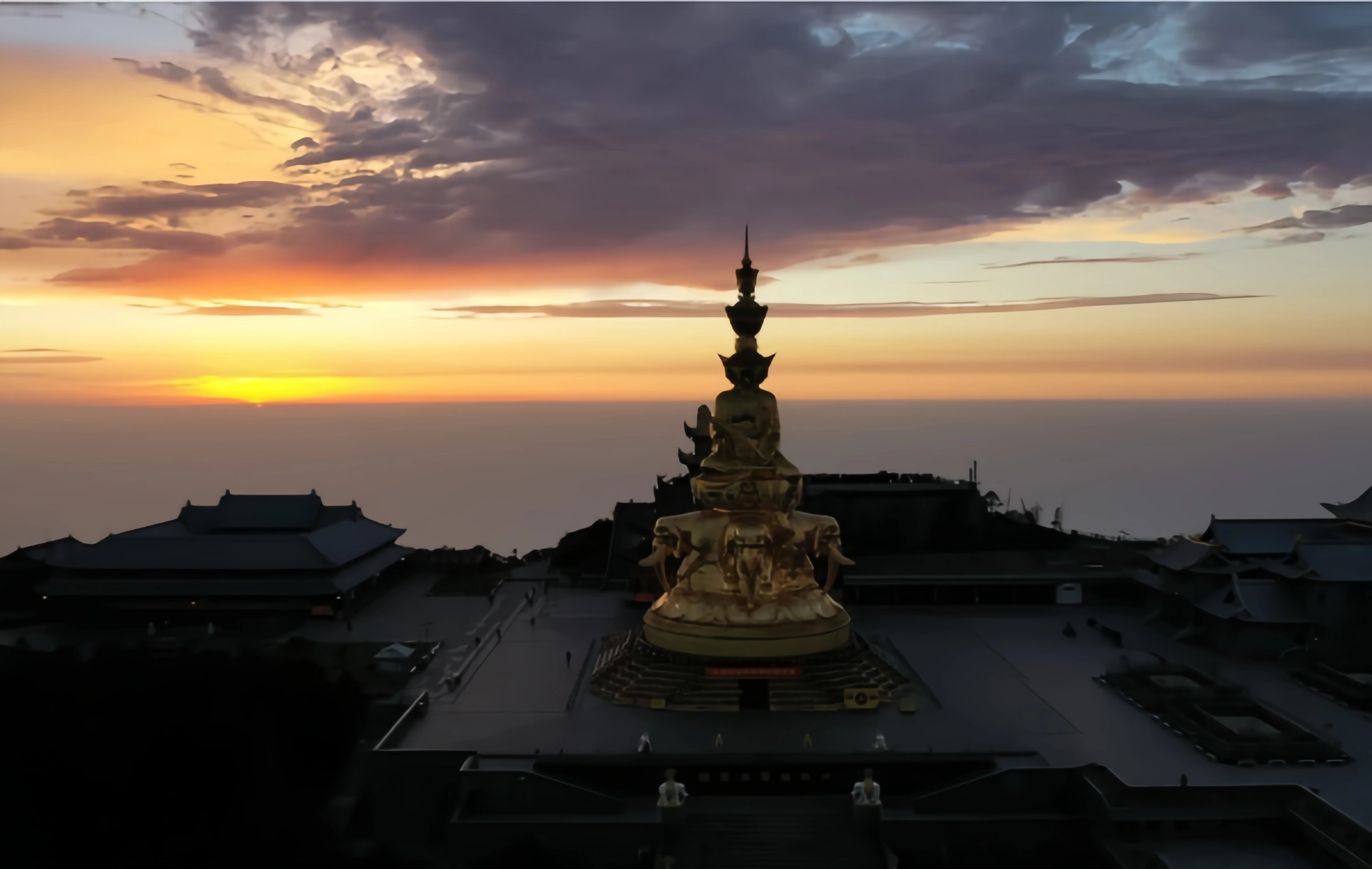
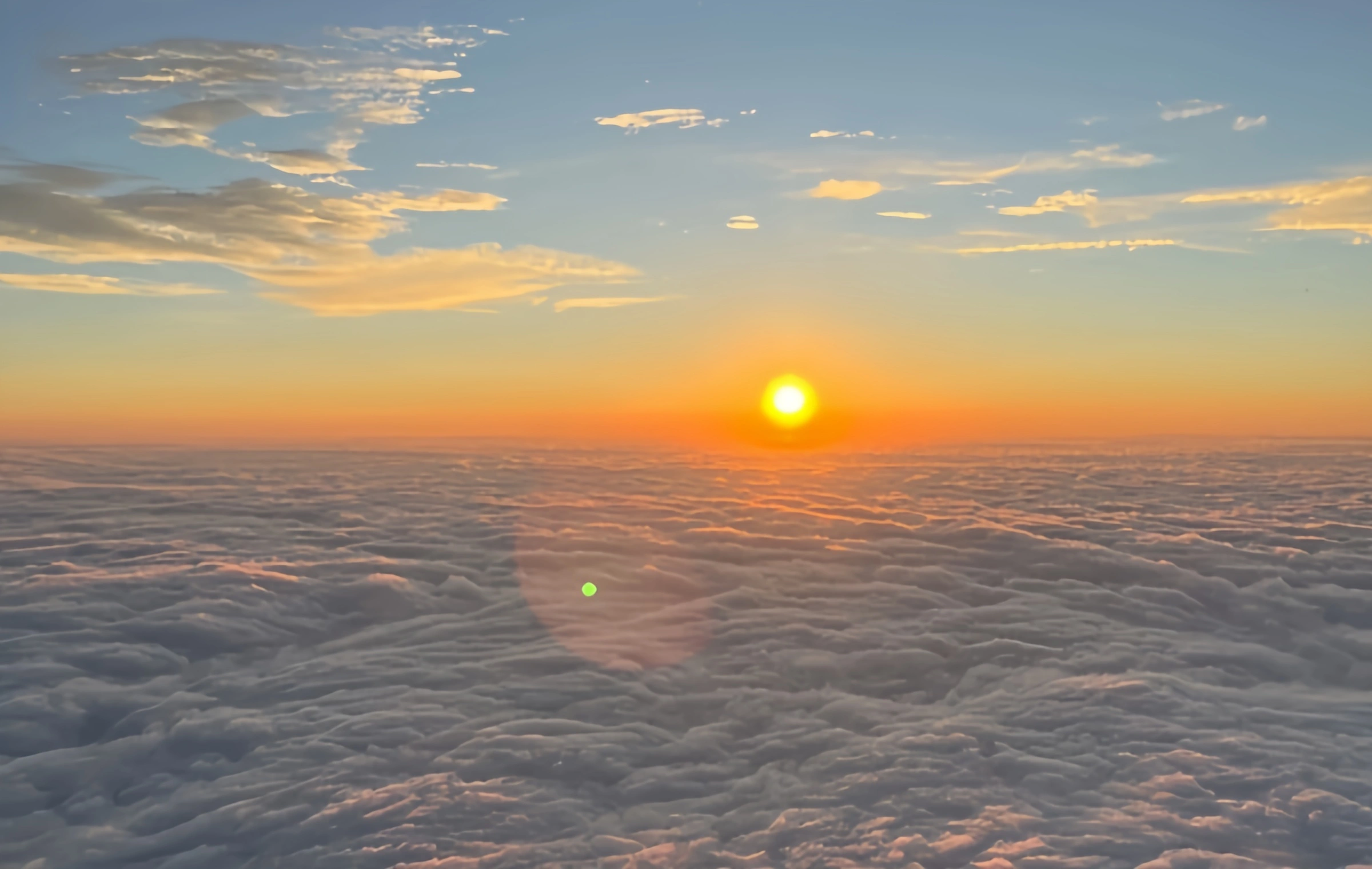
Sunrise: At dawn, the eastern sky changes from darkness to brightness, and a red sun leaps out of the clouds. In an instant, a myriad of rosy rays shine, gilding the sea of clouds and the palace with gold, solemn and full of hope.
Buddha's Light: In the afternoon, sunlight shines from behind the observer, forming a colorful halo in the clouds and mist ahead. The figure is projected into it, resembling a bodhisattva appearing. This is a spectacle of light diffraction, which is even more sacred due to its alignment with Buddhist imagery.
Holy Lamp: On nights with dark moon and clear wind, there are sometimes scattered fluorescent lights in the valley, flickering and rising. It is said by ancient people that "ten thousand bright lamps shine upon the wise", but in fact, the mountains are rich in phosphate ore or microorganisms.
Ecological Secret Realm - A Three Dimensional Rich Kingdom of Animals and Plants
From the foot of the mountain to the top, the vertical climate zone is clearly distributed, nurturing over 3200 species of plants and more than 2300 species of animals. Among them, the remains of plants such as Gongtong (pigeon tree) and Alsophila are considered living fossils. The most famous resident is undoubtedly the Tibetan macaque, commonly known as the "Emei spirit monkey". They are mainly distributed along the trails from Hongchunping, Jiulaodong to Xixiangchi, interacting with tourists and adding wildness to the journey (safety should also be taken into account).
The clear sound of mountains and waters - a canyon melody that washes the heart and lungs
In the Qingyin Pavilion and Yixiantian area, black and white waters converge and collide with Niuxinshi, with the roaring sound of waves; The canyons on both sides are deep and ancient trees stand tall. Walking among them, the sounds of water, birds, bells and chimes are intertwined, which is the essence of experiencing the "beauty of Emei".
Humanistic Craftsmanship - Millennium Wisdom of Deep Mountain Ancient Temples
The architecture and statues of Mount Emei are the crystallization of wisdom perfectly combined with the steep terrain.
Jinding Huazang Temple - the pinnacle of faith at an altitude of 3077 meters
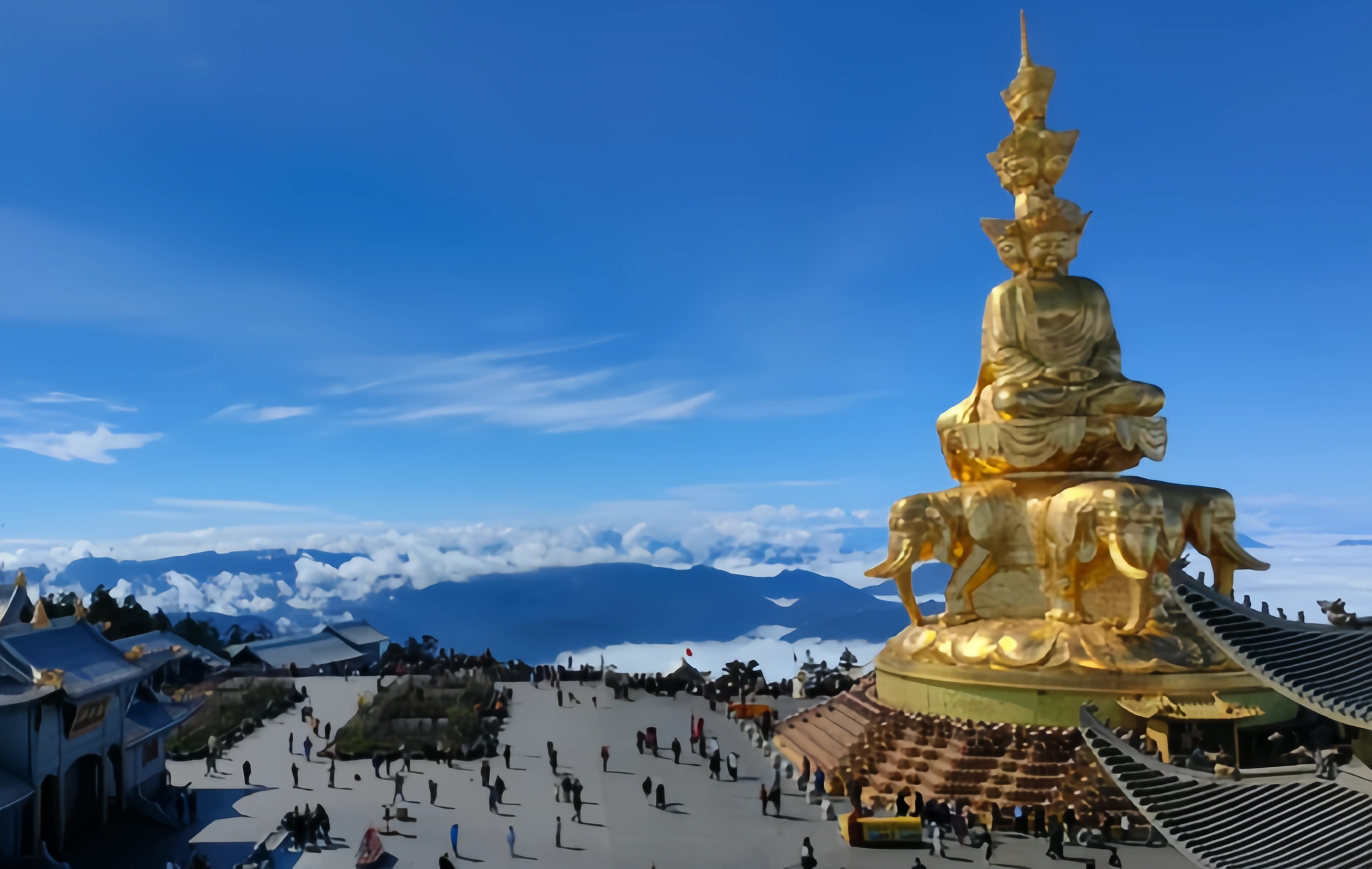
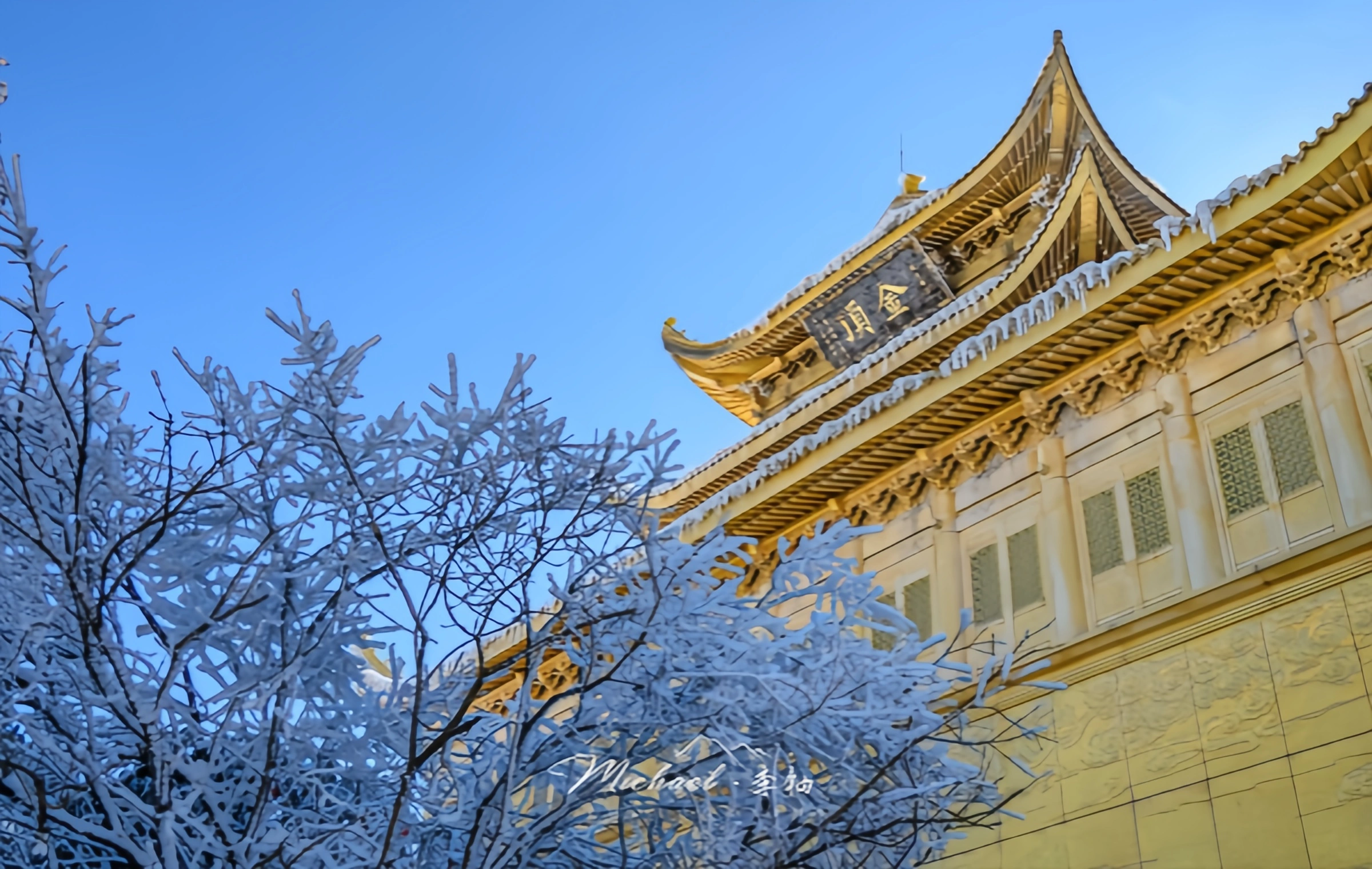
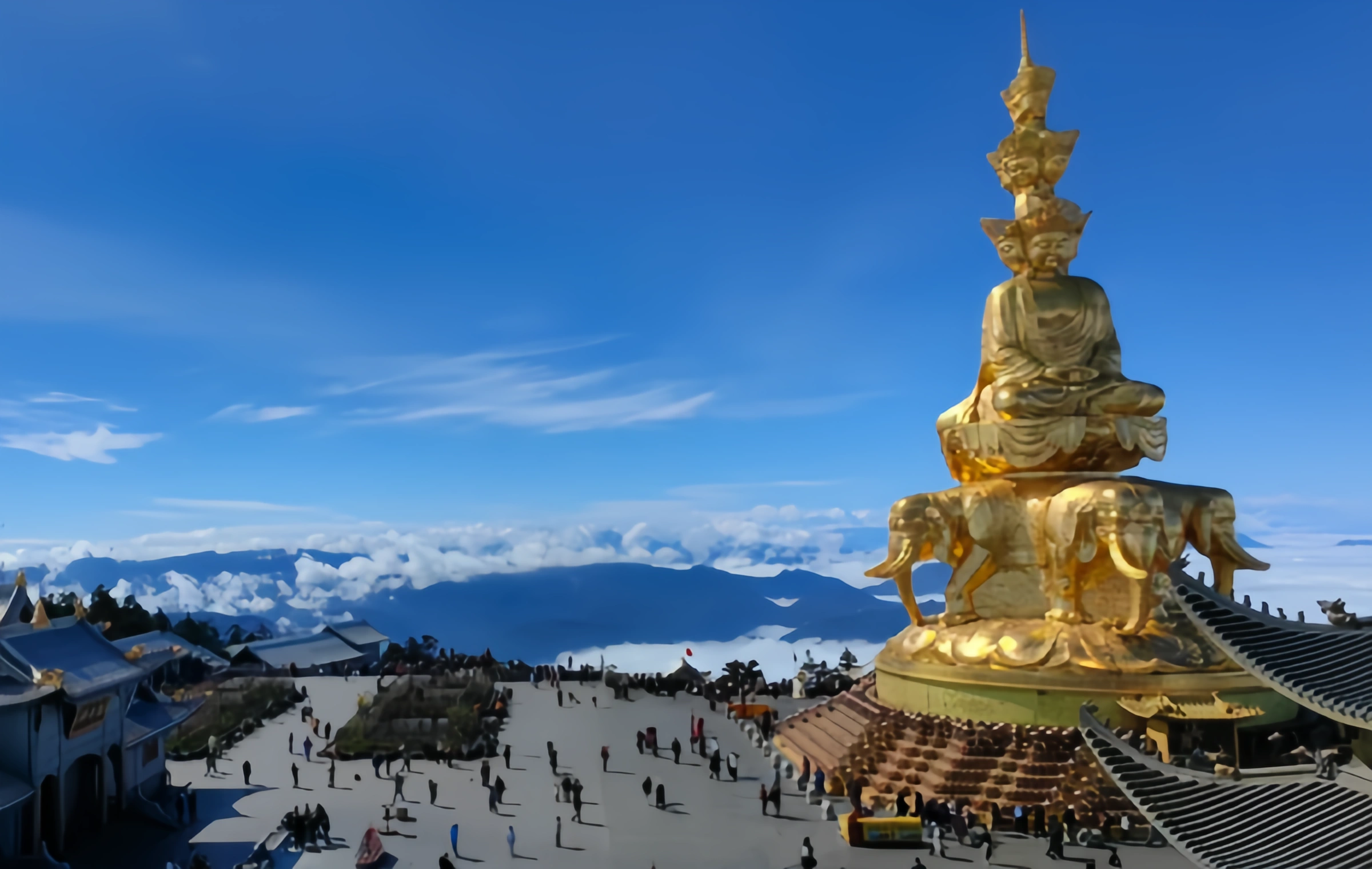
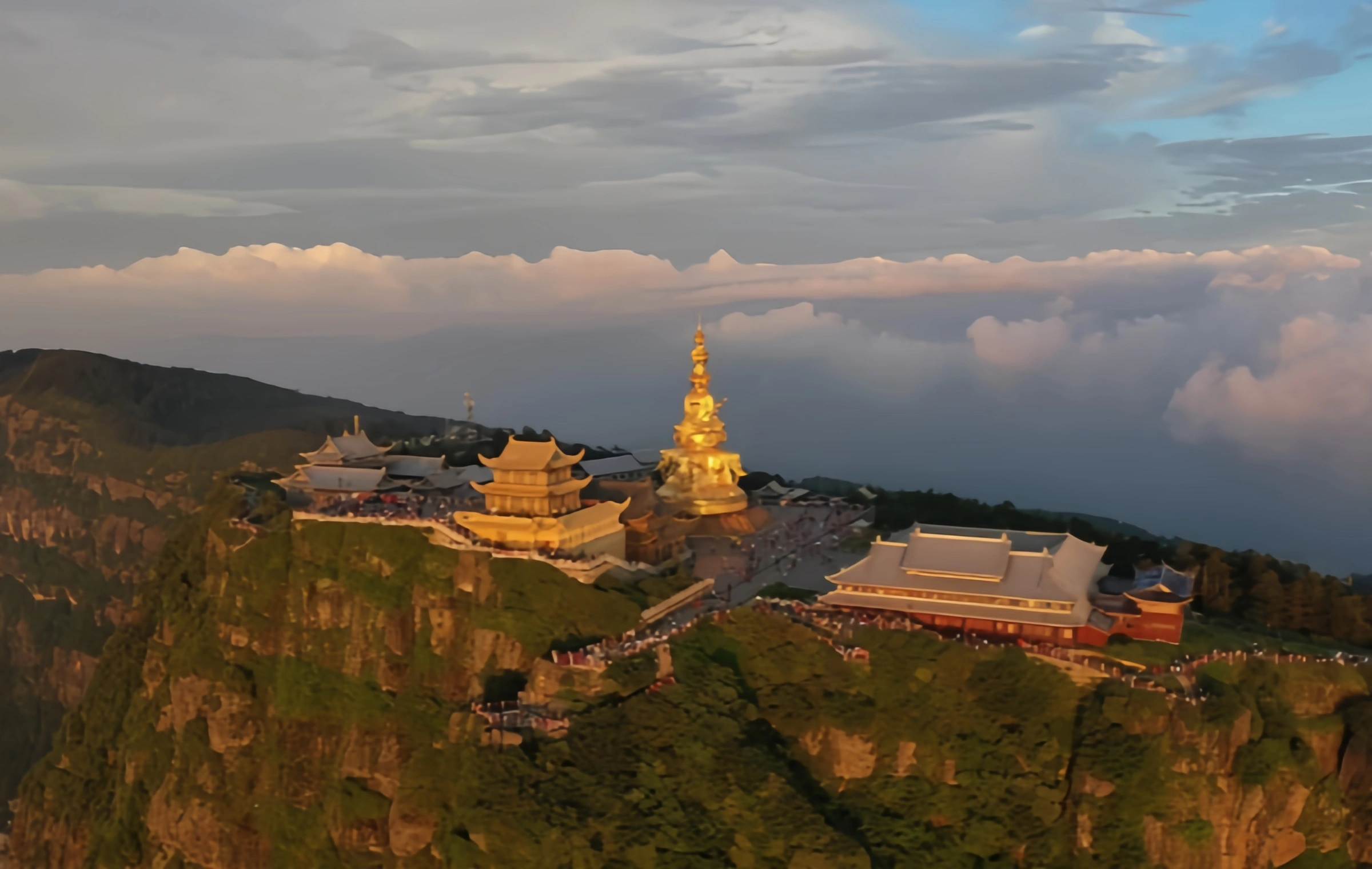
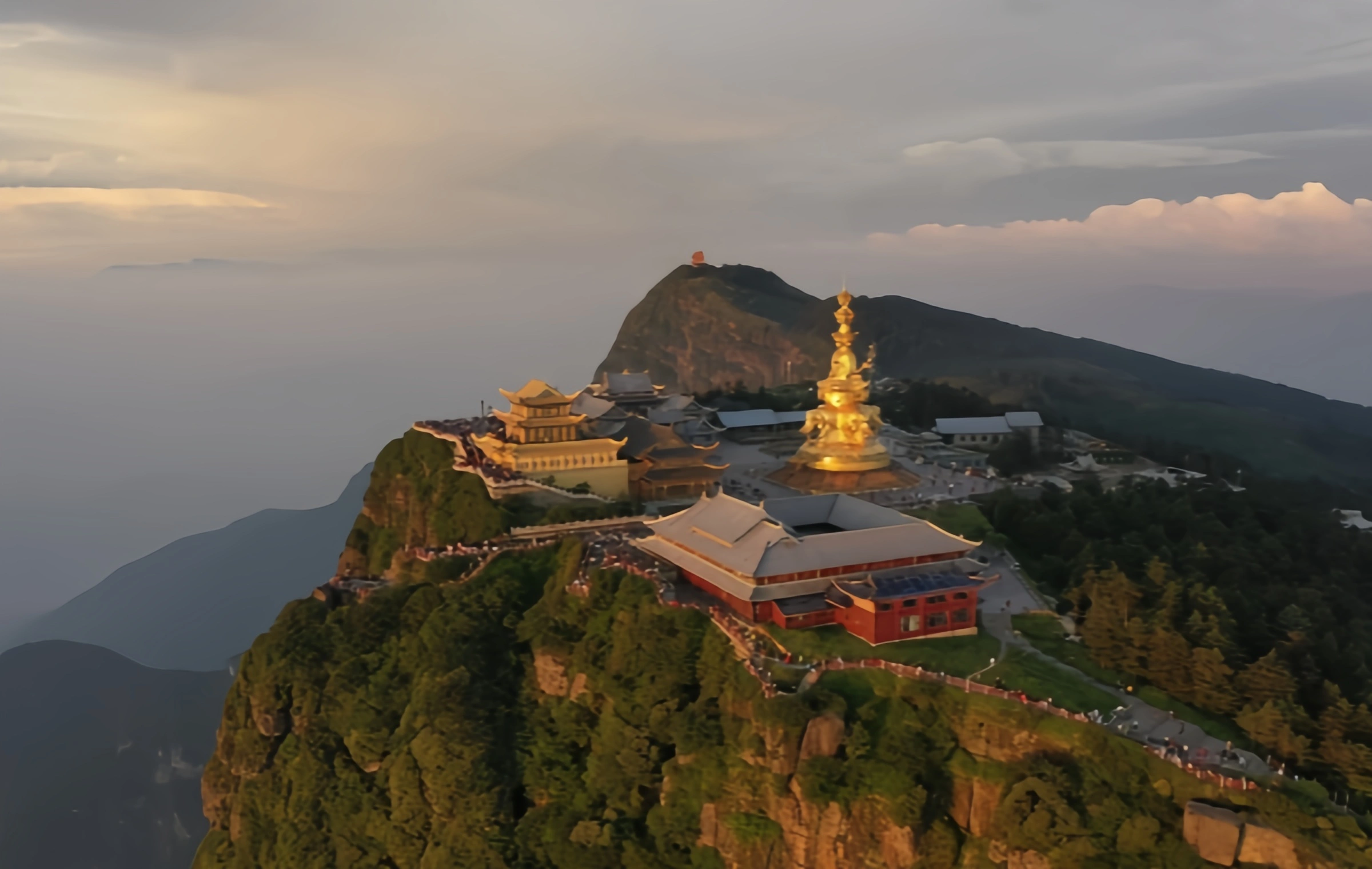
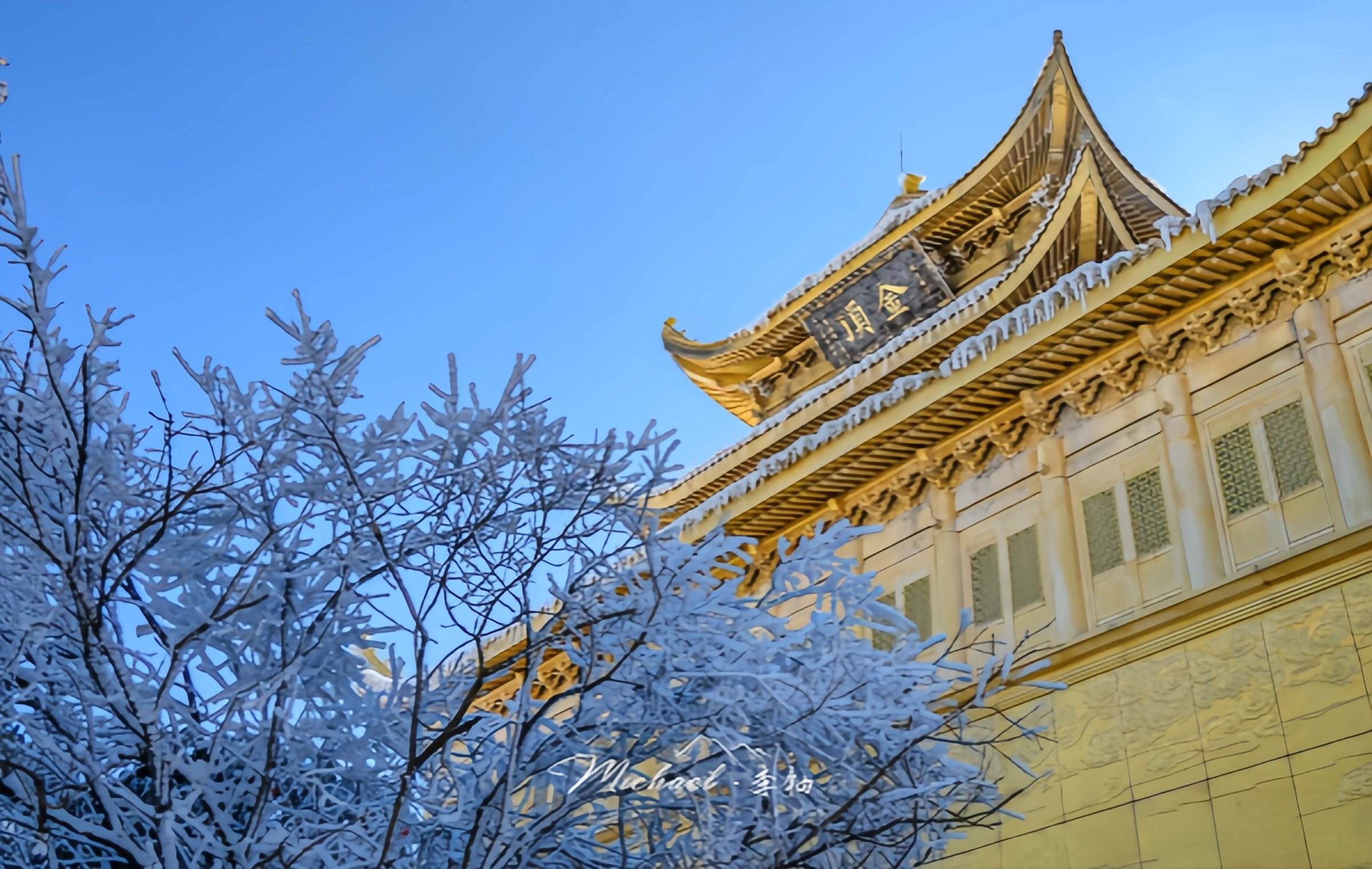
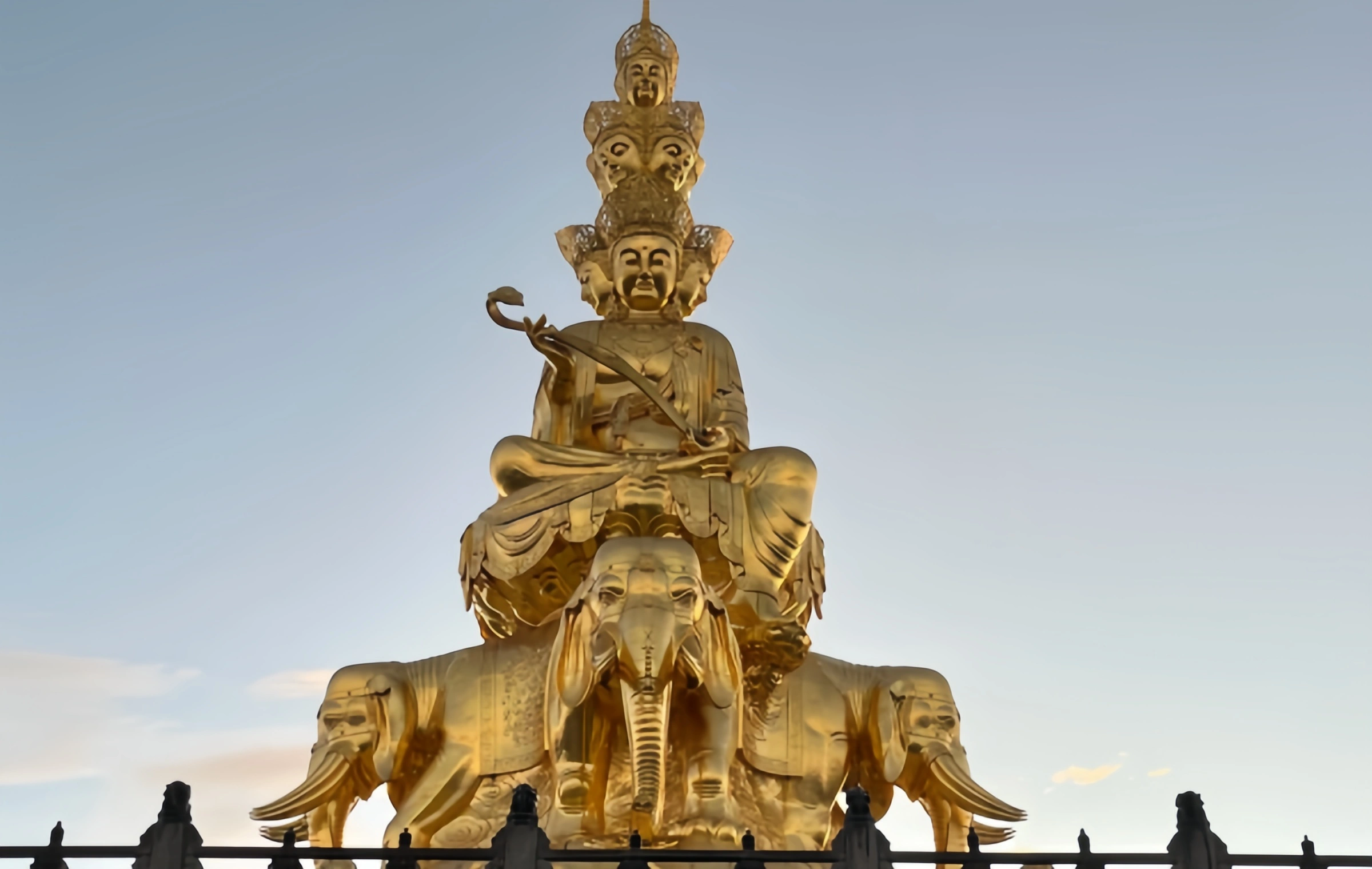
The Jinding architectural complex is a symbol of Mount Emei. The ten sided statue of Samantabhadra, towering 48 meters high, stands tall with a solemn and majestic appearance. The Golden Hall (Golden Summit), Silver Hall (Woyun An), and Copper Hall of Huazang Temple behind them stand tall on the cliff, shining brightly in the sunshine and sea of clouds, with a myriad of styles. This is the ultimate destination for sightseeing and pilgrimage.
A group of ancient temples in the mountains - a practice station for changing scenery and walking
From Baoguo Temple (the entrance to the mountain) at the foot of the mountain, through Fuhu Temple (the exquisite Luohan Hall), Qingyin Pavilion (the unique landscape), Hongchunping ("Hongchun Xiaoyu"), Xianfeng Temple (adjacent to Jiulaodong), Xixiangchi (Moon Night Elephant Pool), to Huazang Temple, each ancient temple carries different history and legends, providing space for mountaineers to rest and feel.
Buddhist statue art - a beautiful treasure trove spanning time
In the Ming Dynasty Liang free brick hall of Wannian Temple, there is a bronze statue of Pu Xian riding an elephant cast during the Northern Song Dynasty. It is 7.85 meters high and weighs 62 tons, with exquisite craftsmanship, and is the treasure of Mount Emei. In addition, scattered Buddhist statues, inscriptions, and artifacts from various temples form an open-air Buddhist art museum.
Photography tips:
To capture the sunrise and sea of clouds at the Golden Summit, it is necessary to check the sunrise time in advance and arrive at the Golden Summit observation deck at least one hour before sunrise to occupy the camera position and use a wide-angle lens to showcase the grand scene;
To shoot Buddhist light, it is necessary to face away from the sun and include the character and halo in the lens. It is recommended to use a medium focal length;
By framing ancient temples with trees and rocks that can be used as natural foreground, it is easy to capture the ethereal atmosphere of clouds and mist before and after rain in places such as Qingyin Pavilion and Hongchunping;
When interacting with spirit monkeys for filming, it is necessary to maintain a safe distance, use telephoto lenses, and do not expose food in front of them.